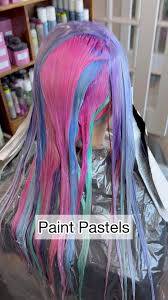
IMPORTANT NOTE: Colors vary in lighting, sun light, dim light, florescent lighting, UV lights, dark lighting. We strive to acquire the desired custom color combination however some of our photo examples are taken in all different lighting and it can difrentiate in person.
Color Customization
Part One – Using Color and Lightener to Formulate Hair Color
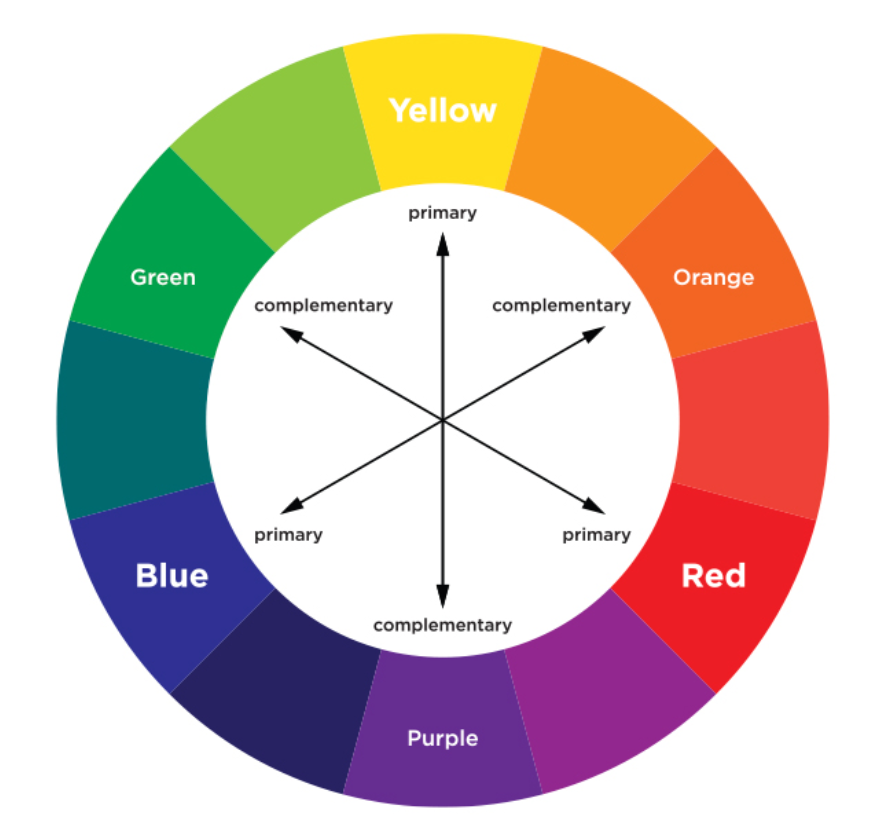
Color theory - these two words can greatly determine the choices we make as hair colorists and the future successes or failures we may experience as a result. In this first installment of a two-part series, I am going to focus on color and lightener and how I apply my knowledge of color theory when I use these products to formulate and achieve a certain hair color.
Understanding how hair color works and the role it plays in changing the existing color of a client’s hair is what can make our job incredibly fun and less stressful. One of the worst situations that you may face as a colorist is when a client requests a color and you have no idea where to begin. Alternatively, it is such a great feeling to have the knowledge to create a successful color roadmap with the best routes and the ability to handle the detours.
Hair colorists usually have their first date with color theory in cosmetology school and it can often take months or even years of experience for that education to fully sink in. Color theory contains the basic, yet crucial rules and regulations that help us to create formulas and protect the integrity of the hair.
Every natural hair color has a combination of four natural color pigments: black and brown, also known as eumelanin, and red and yellow, also known as pheomelanin. Hair color has both level and tone. Level is how light or dark the hair is and tone means the underlying color (for example, if it’s “cool” or “warm”). Black and brown pigments are responsible for level, and red and yellow pigments are responsible for tone. To understand color theory, you must start with this basic understanding.
We have all experienced situations when we were unsure of how to handle a color issue or achieve a certain color. We may ask ourselves:
- Should I use color or lightener?
- What developer is the right choice?
- Are the tones in the formula going to neutralize properly?
Color theory is the holy grail of this information and the key to answering these questions.
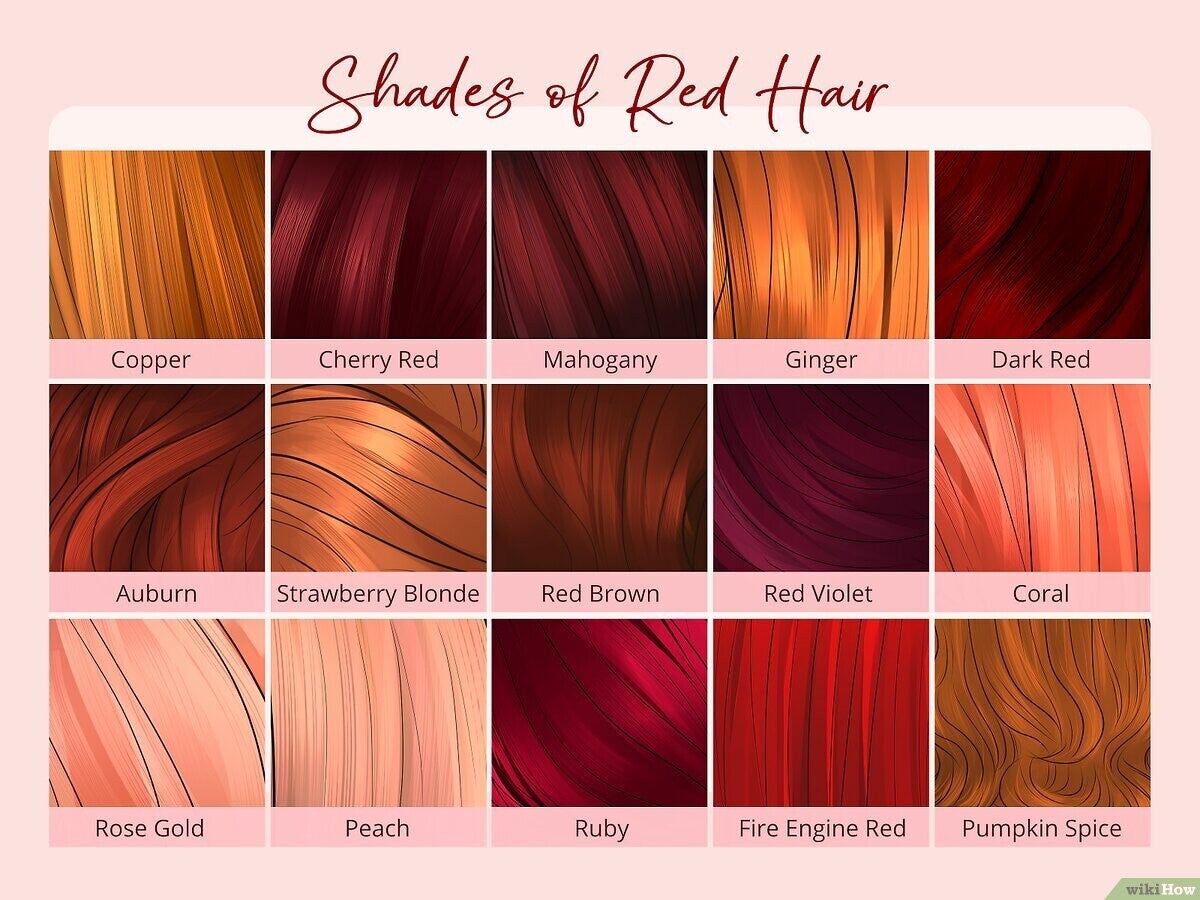
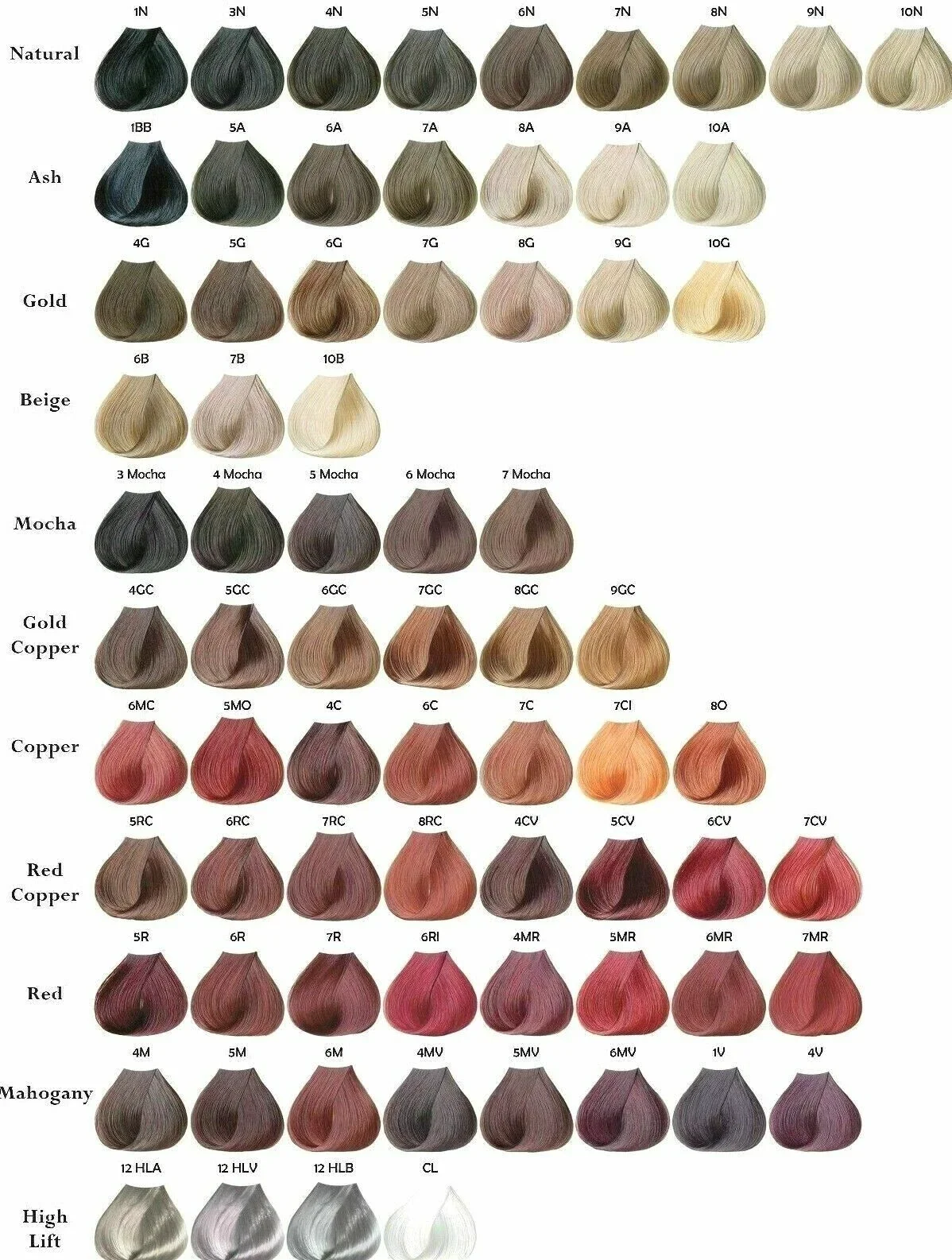
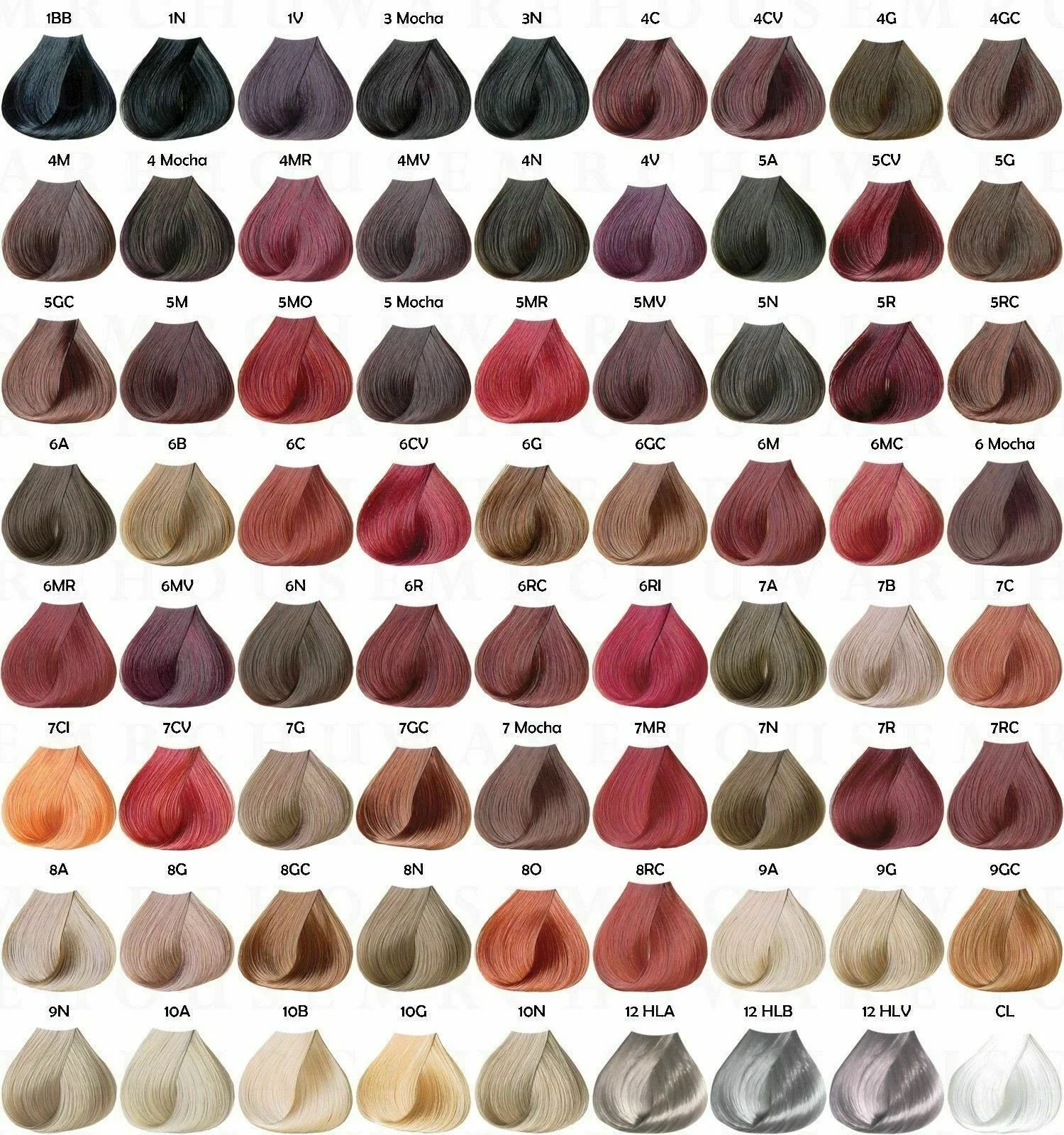
Our Color Options
If you have a preferred color please send photos.


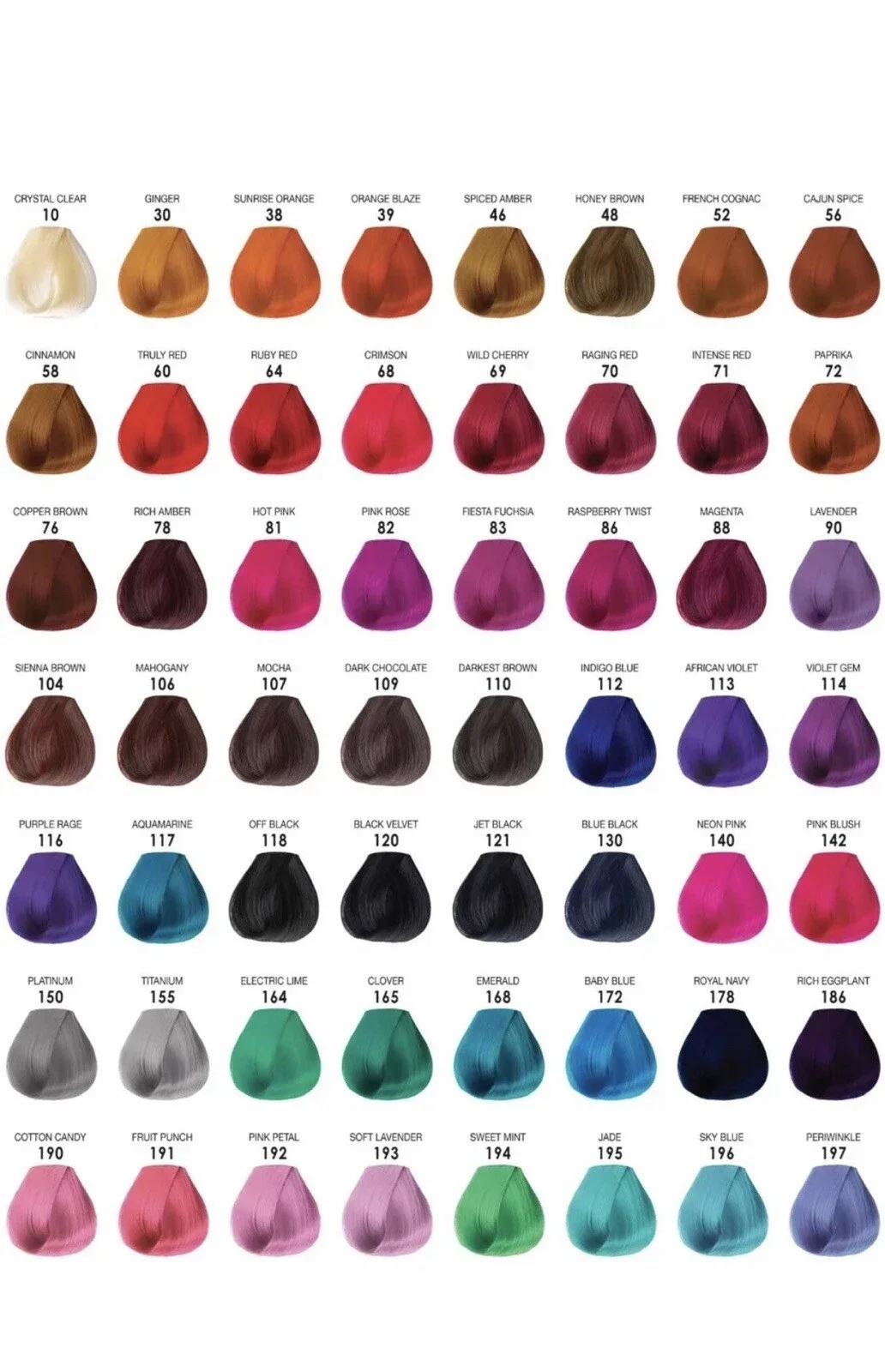
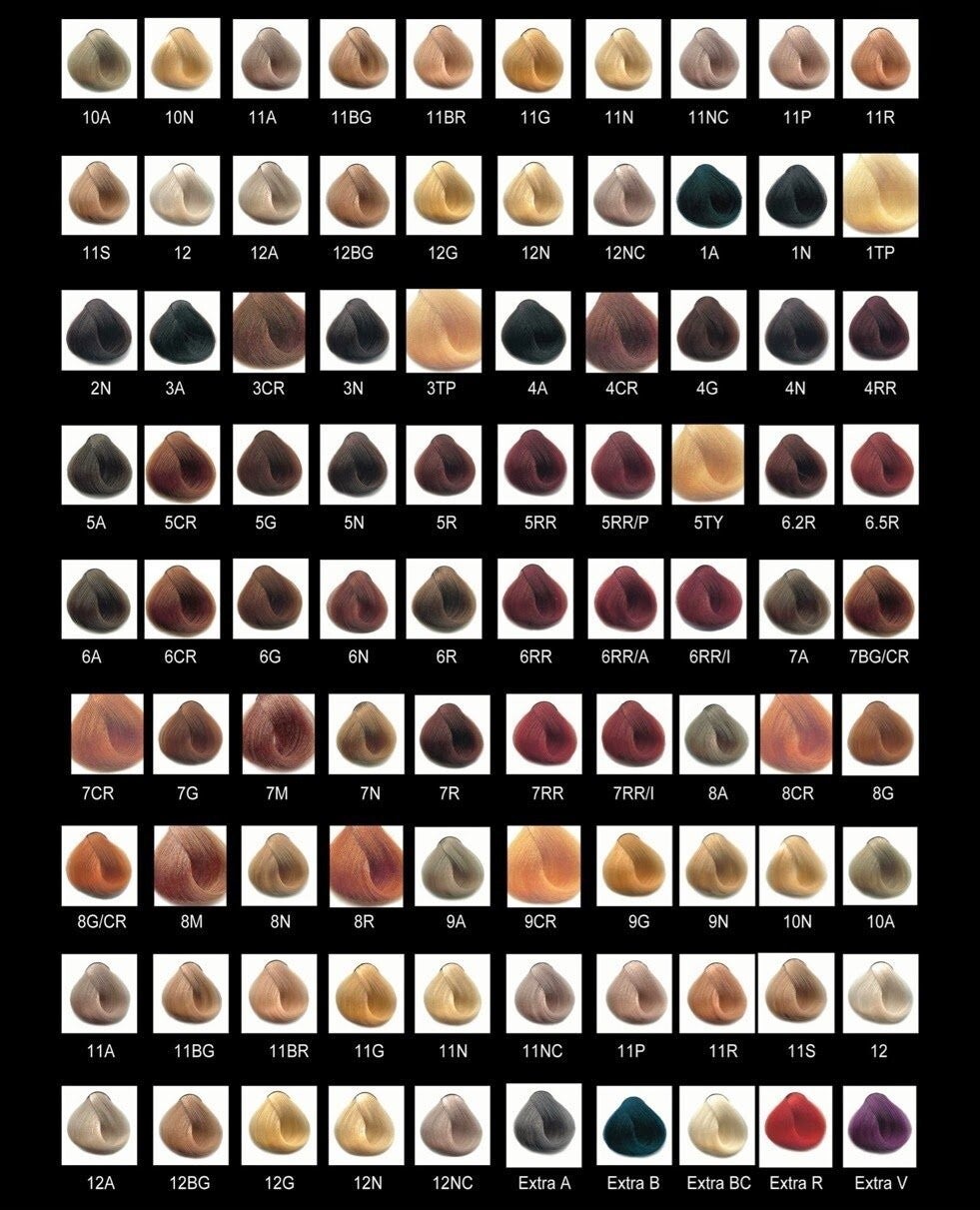

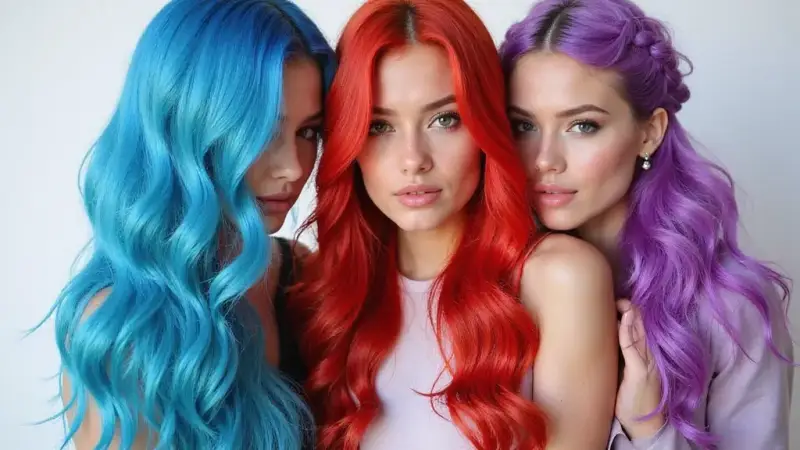
What is Ombre?

Ombré is a French term meaning "shaded," referring to a gradient effect where colors or tones transition gradually from one to another, typically from dark to light. It is widely used in fashion, beauty (hair and nails), and interior design to create a soft, blended transition.
Key Applications of Ombré
- Hair: A popular, low-maintenance hair-coloring technique where roots remain dark while mid-lengths to ends gradually lighten.
- Beauty & Nails: Used in manicures to create a faded, multi-colored effect.
- Textiles & Design: Often applied in fabrics, wallpaper, and painting to create a seamless, graded color shift.
- Traditional: Dark brown to light blonde.
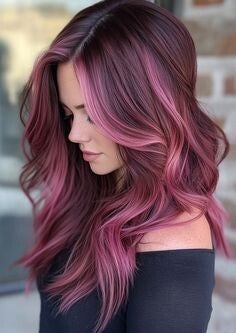
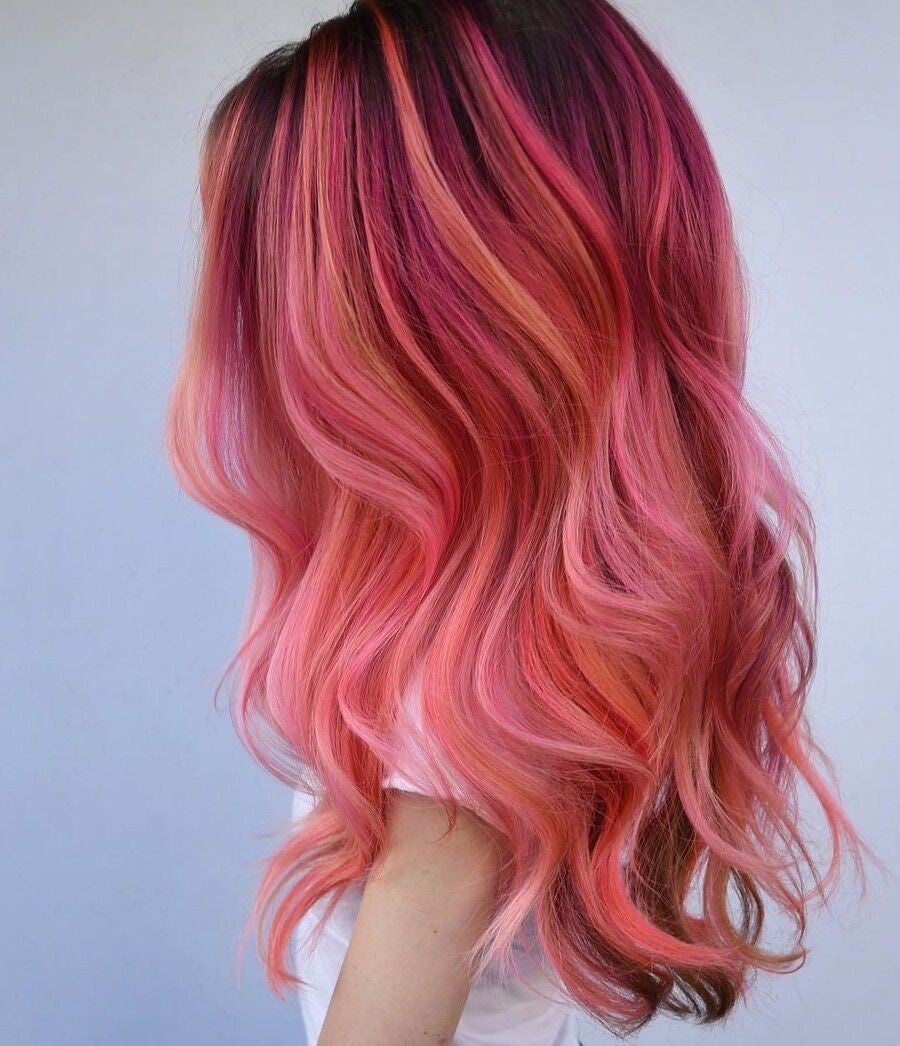
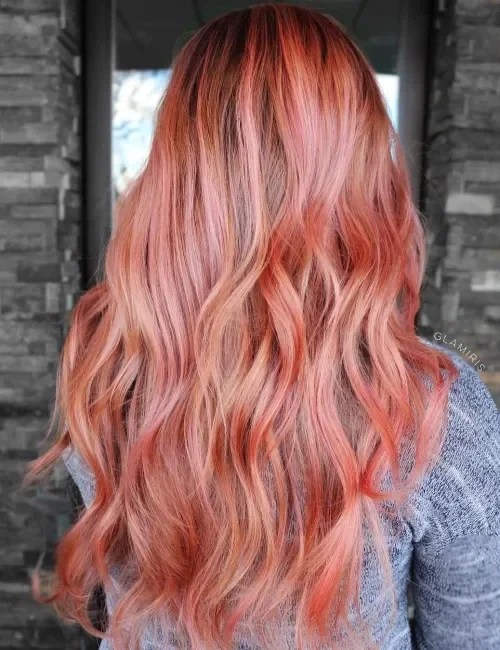
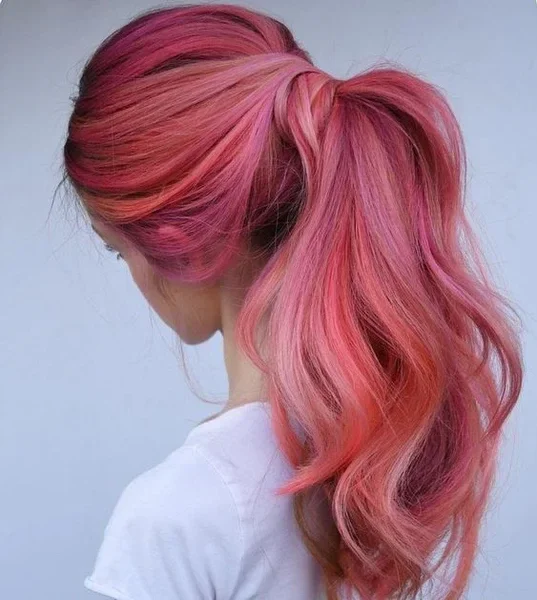
- Fashion Colors: Natural roots fading into vibrant shades like lavender, blue, or pink.
- Sombré: A "subtle ombré" for a more natural, subtle transition.
- The word comes from the French adjective for "shaded".
- "Ombre" is also the name of a three-handed card game popular in the 17th and 18th centuries.
- Note that Ombre is also a company that specializes in at-home, personalized microbiome tests and probiotics.

Custom Color Combinations
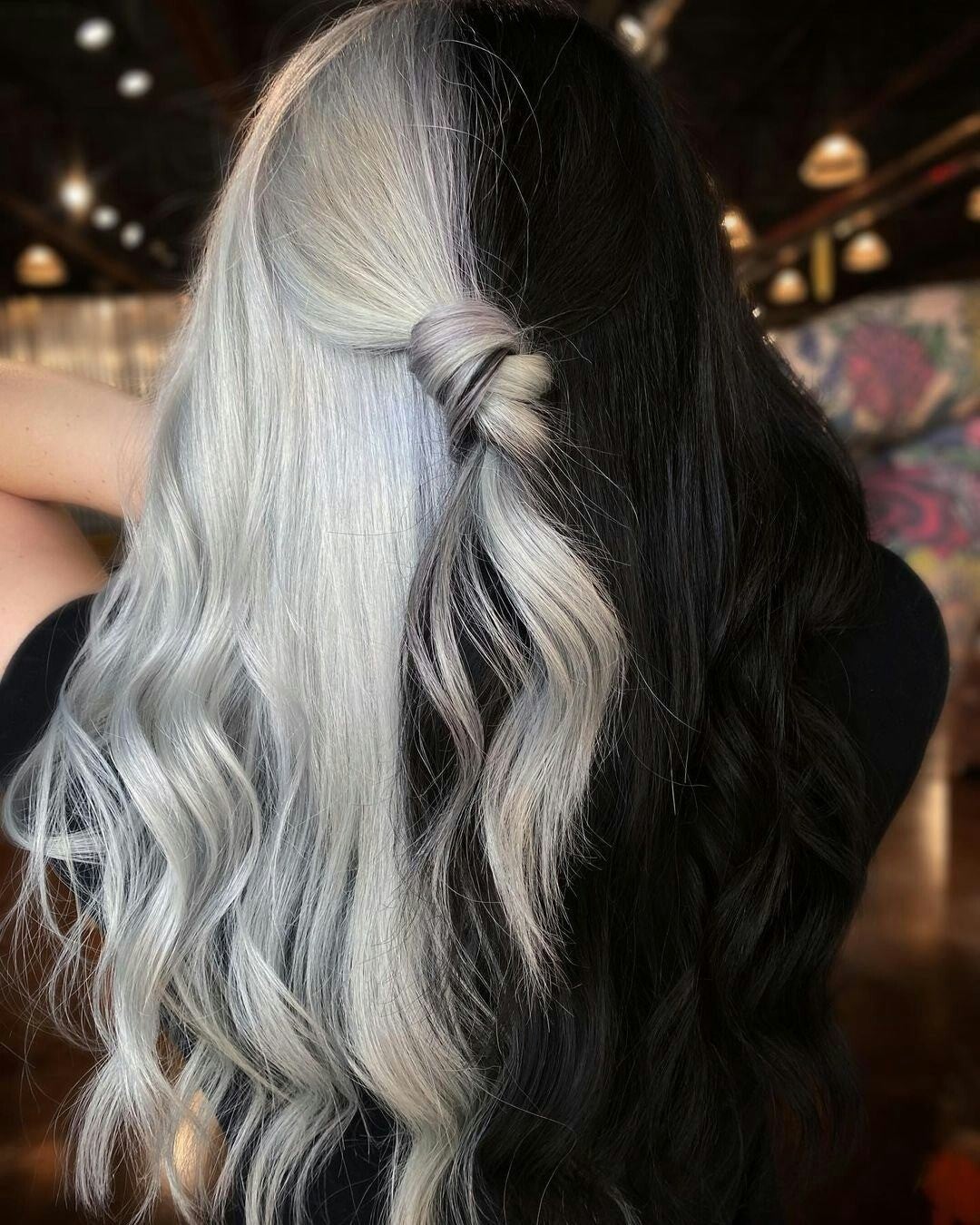
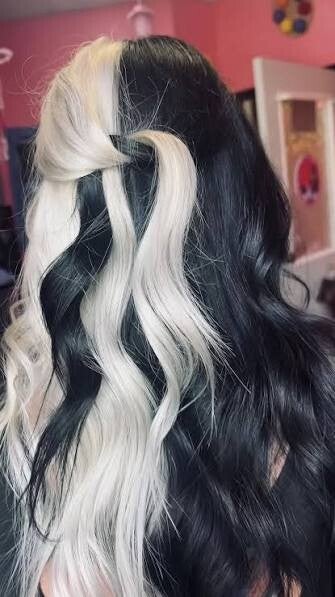
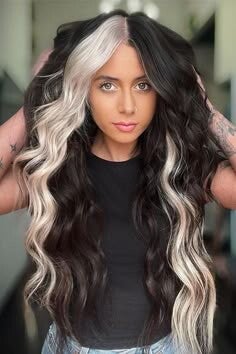
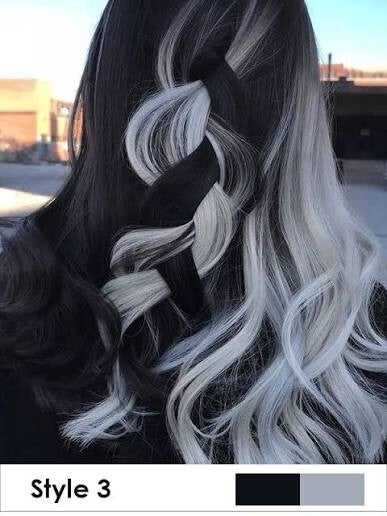
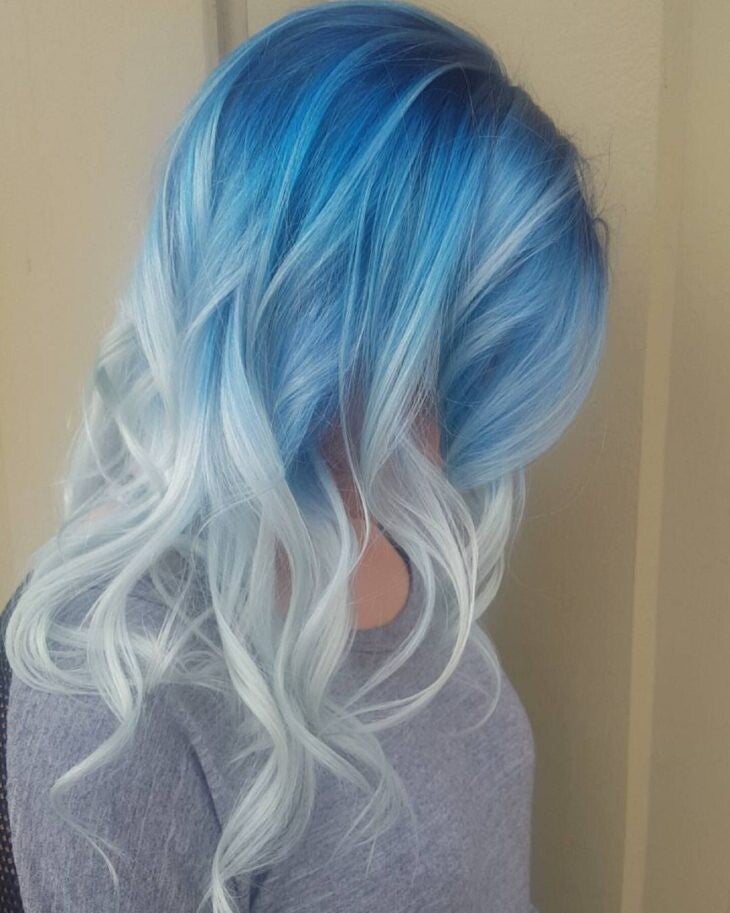

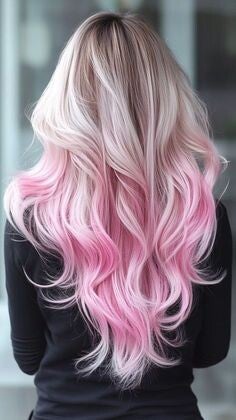
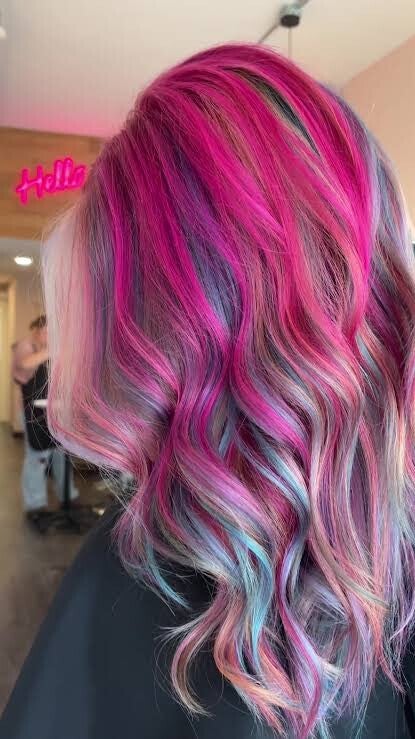
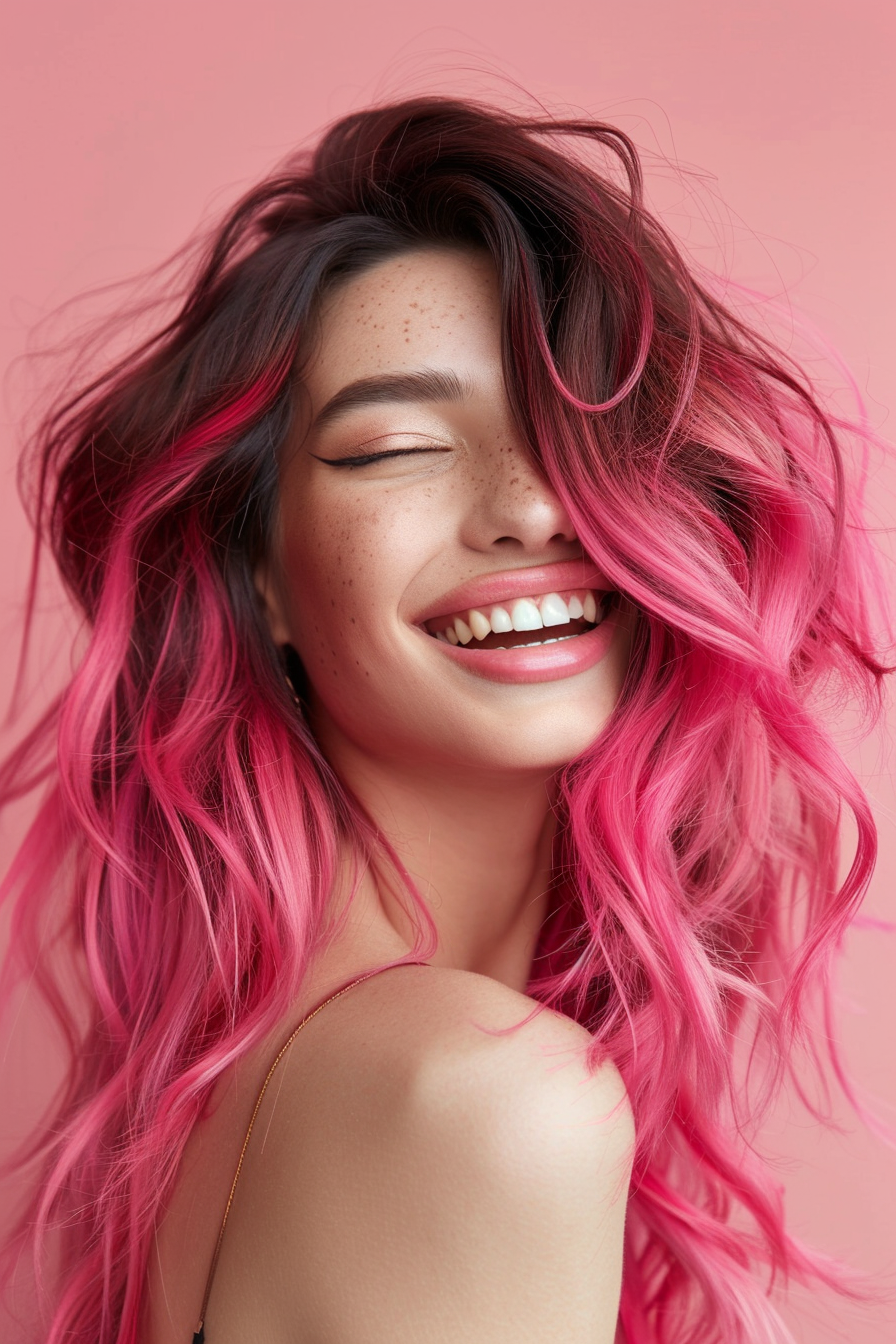
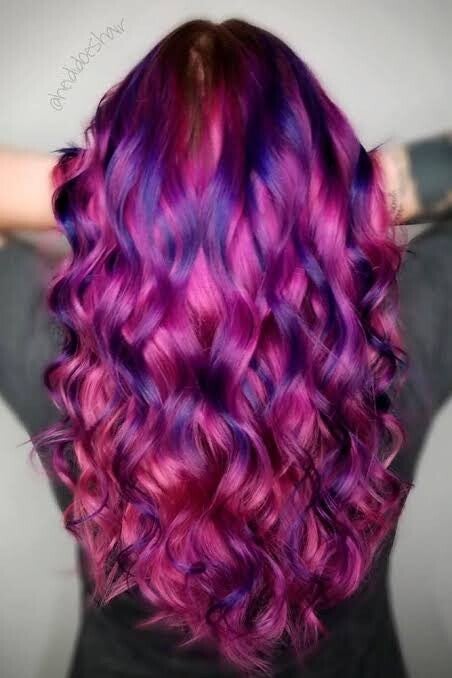


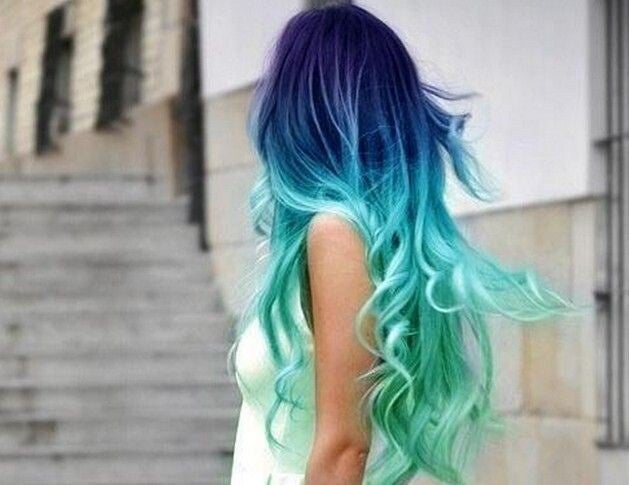

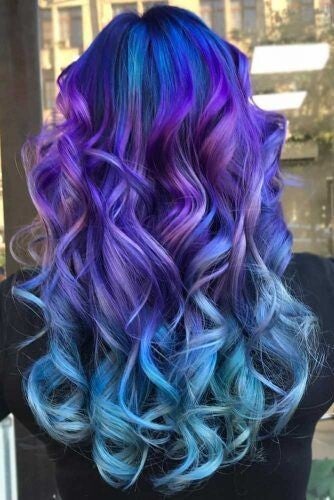
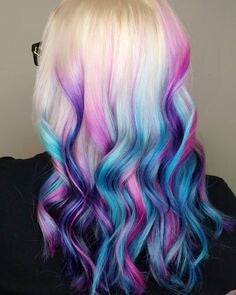
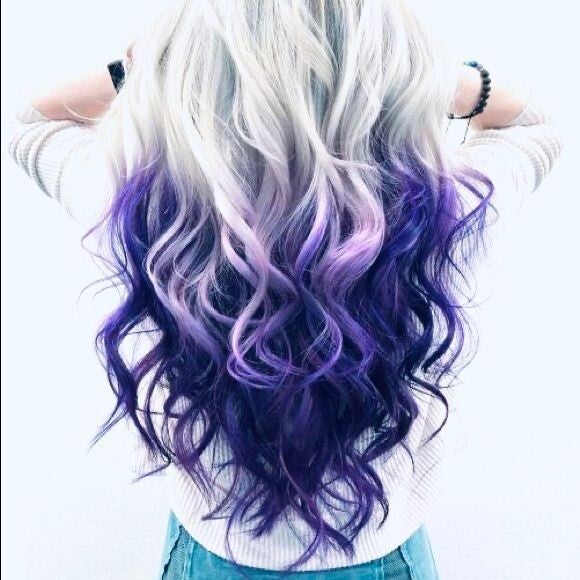
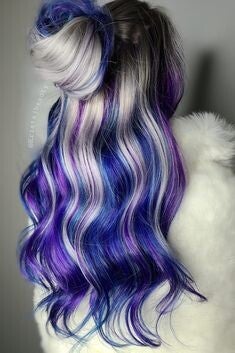
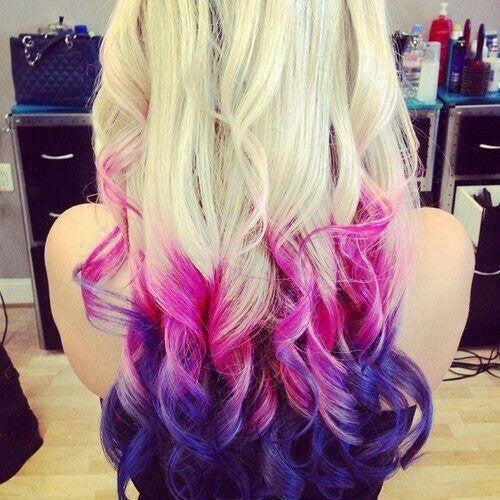
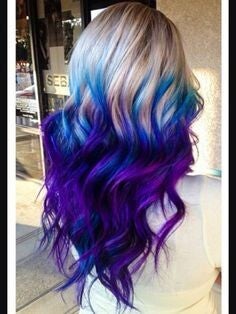
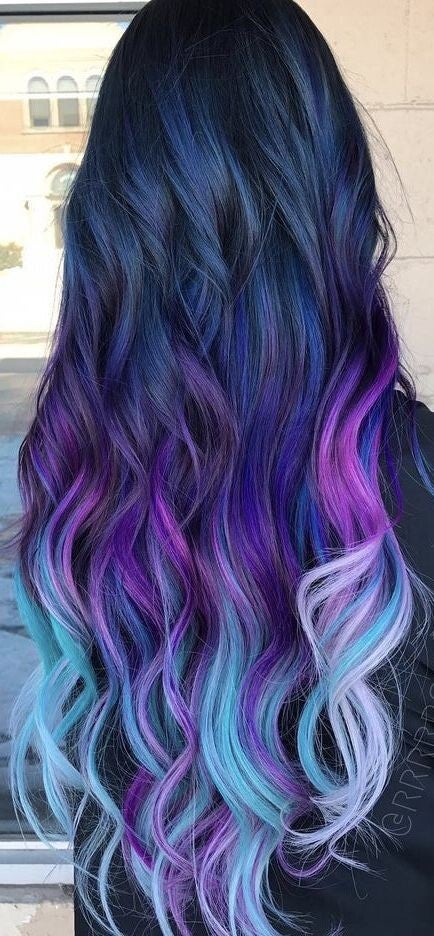
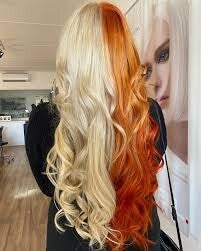
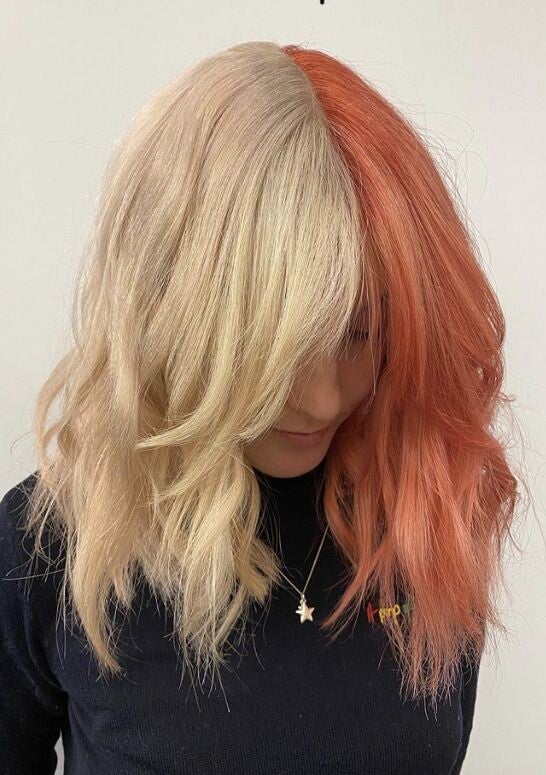
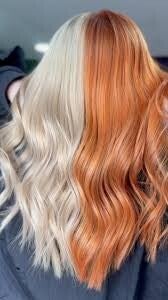
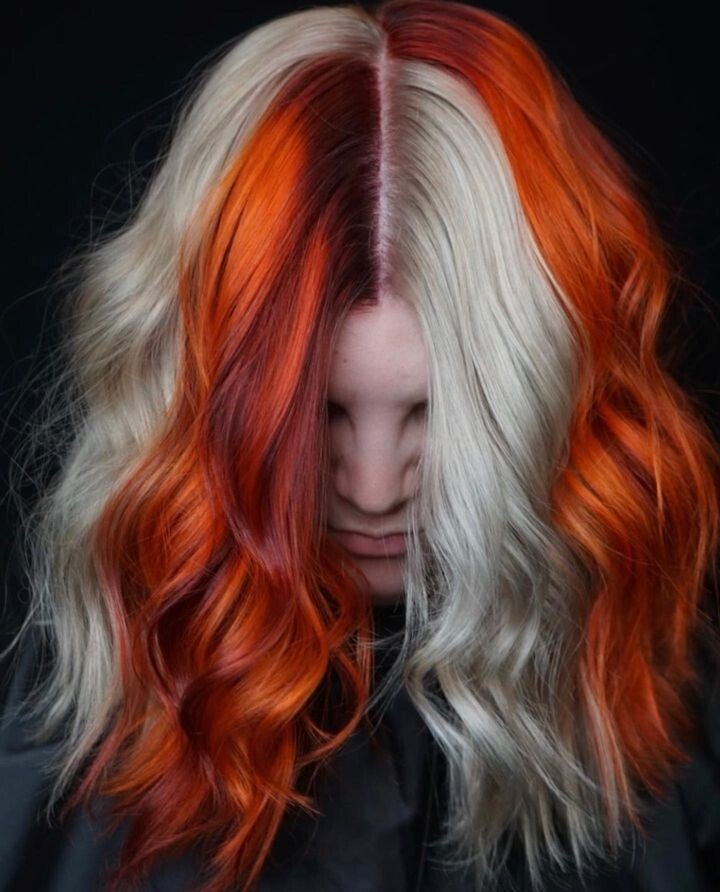


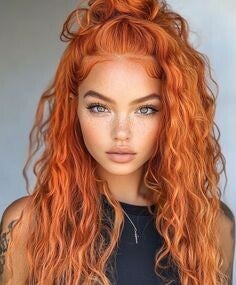
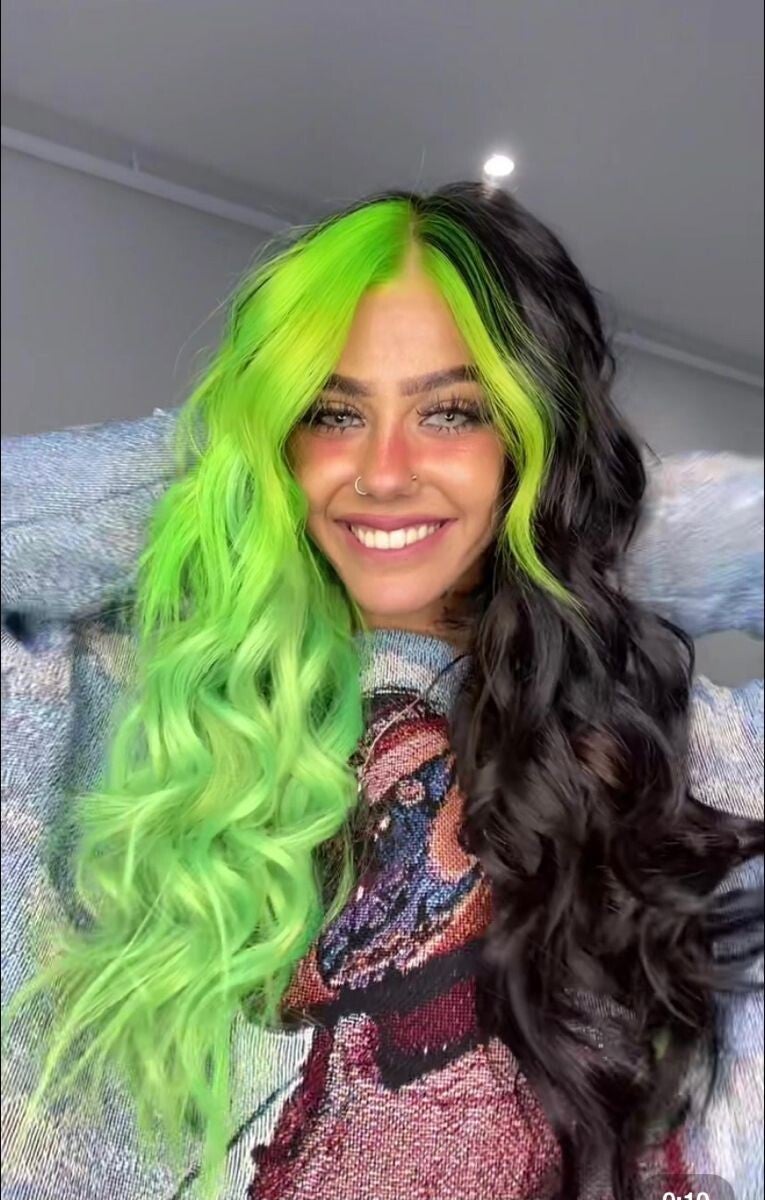
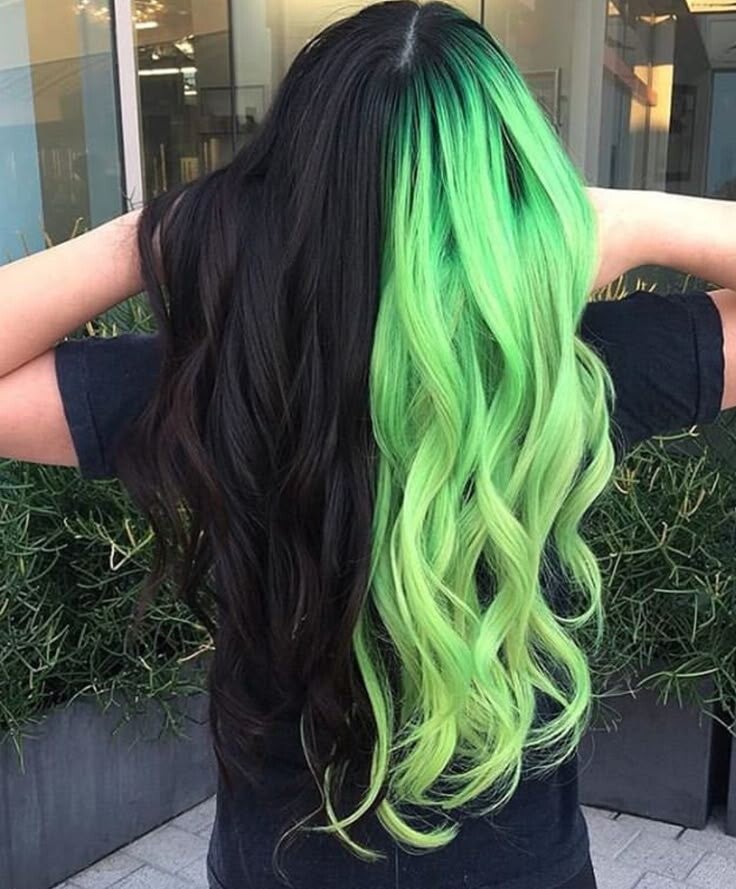
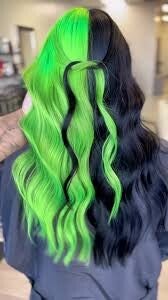
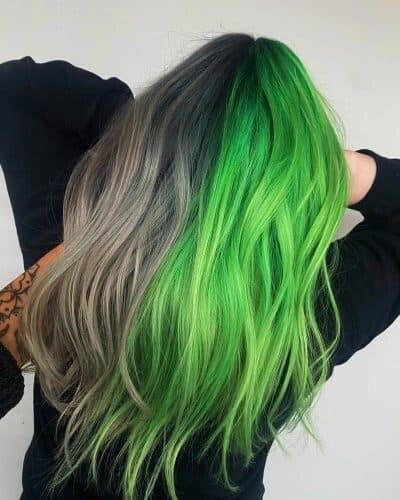

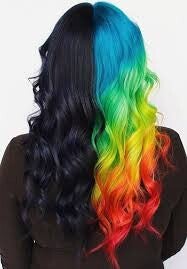
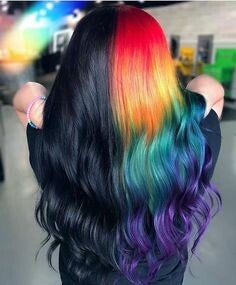

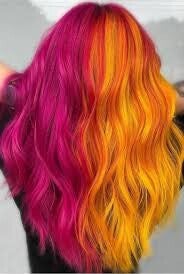
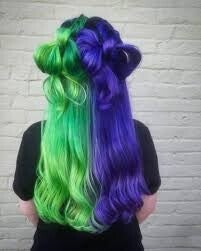
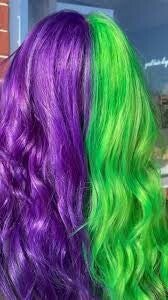
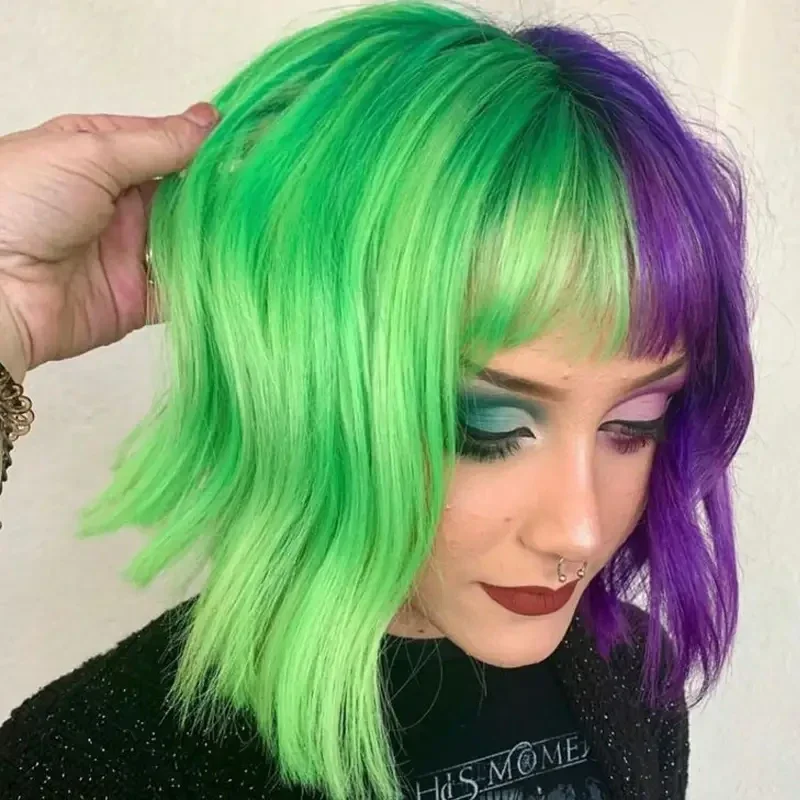
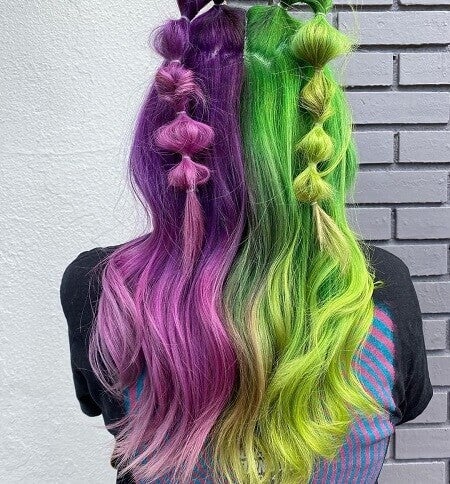

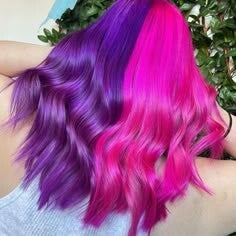
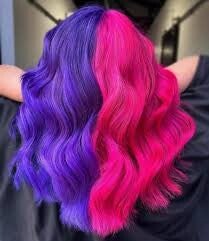
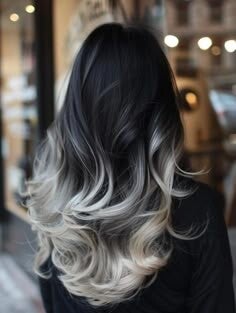

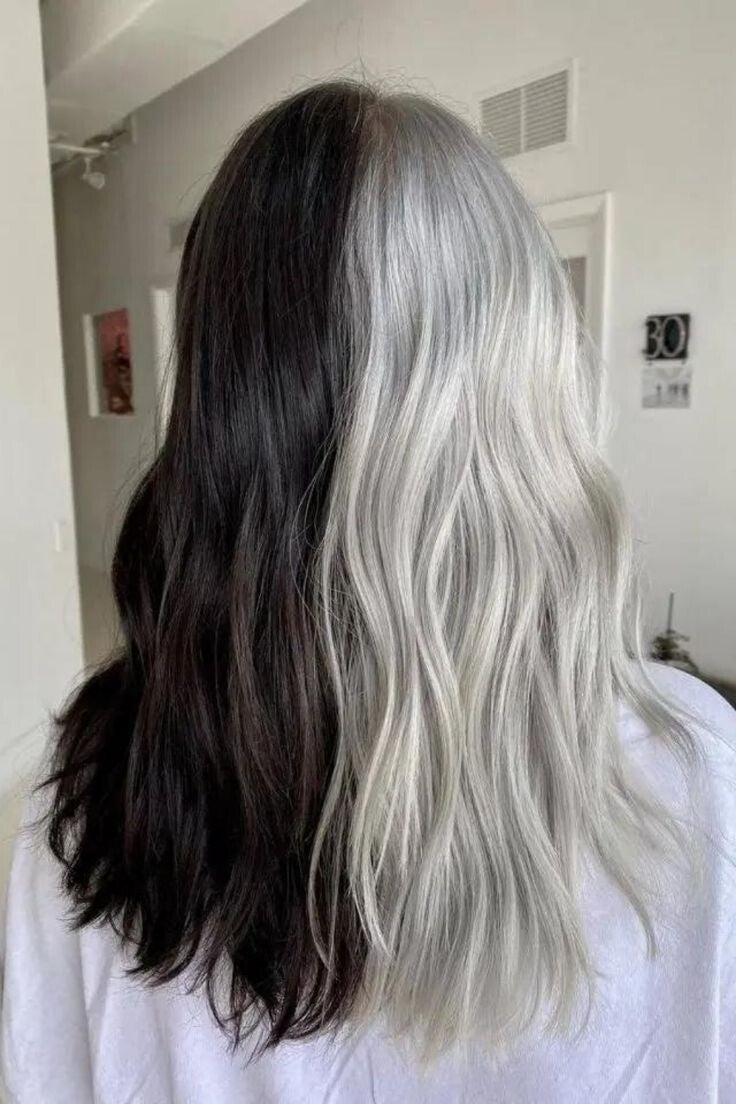
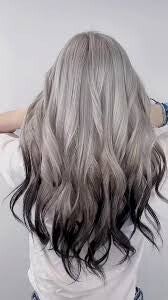
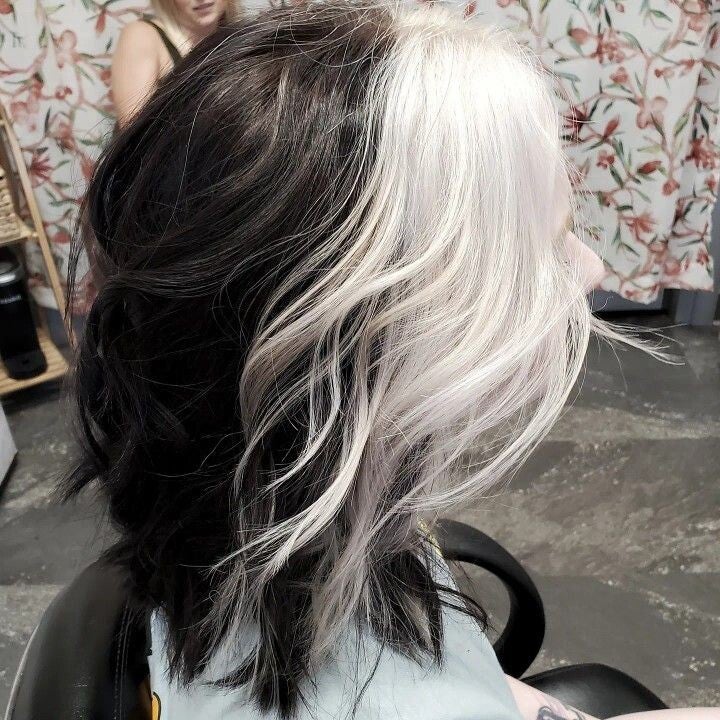
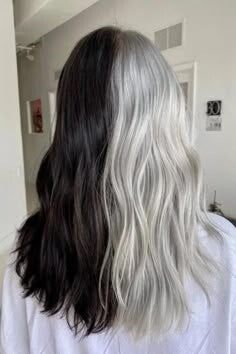
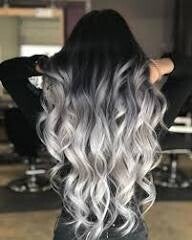
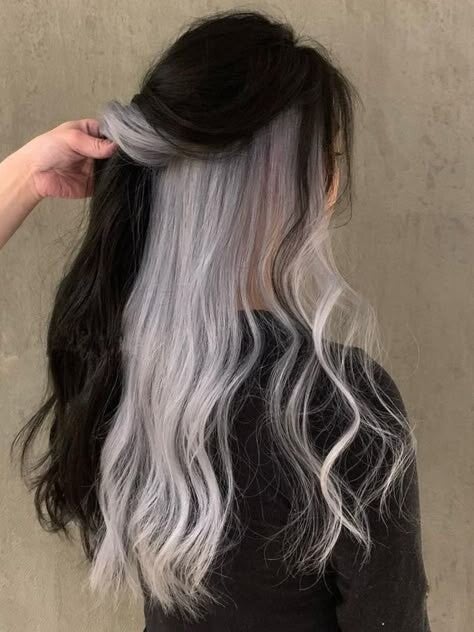
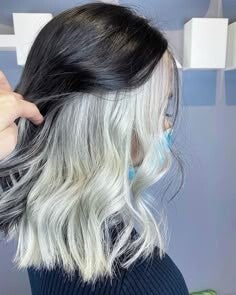
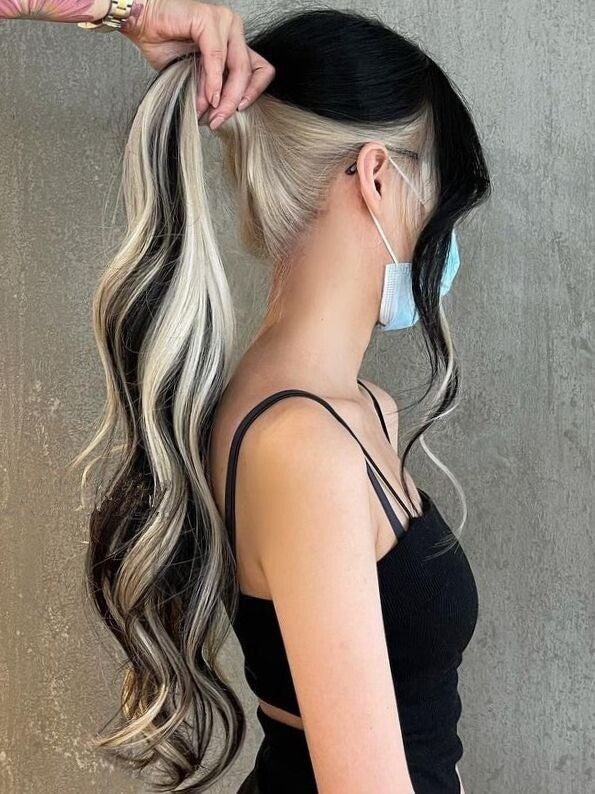
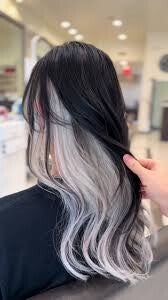
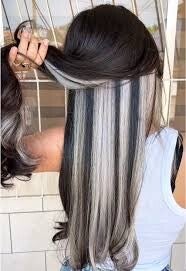
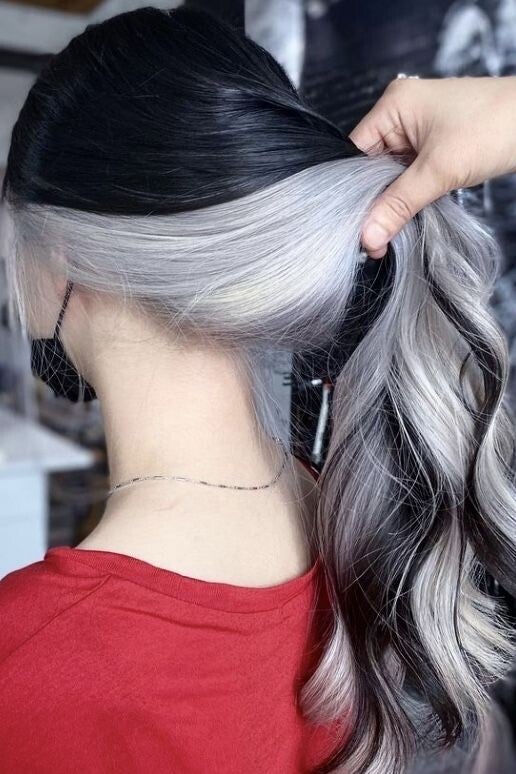
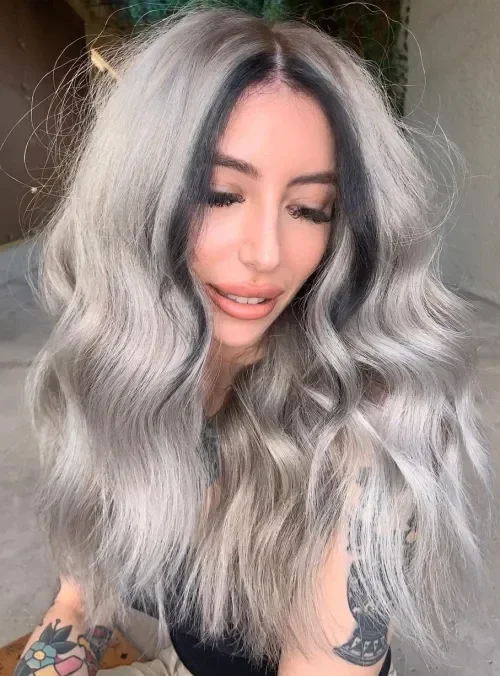
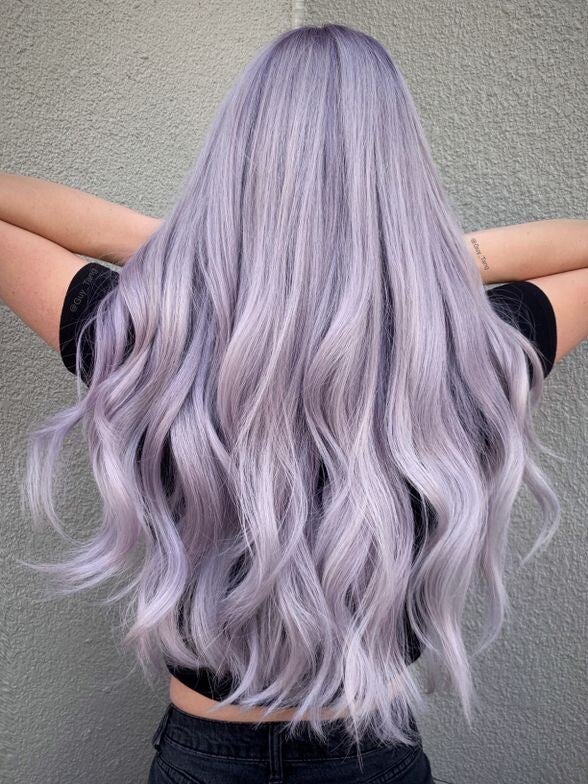
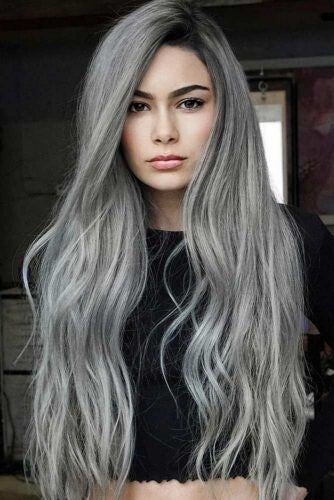
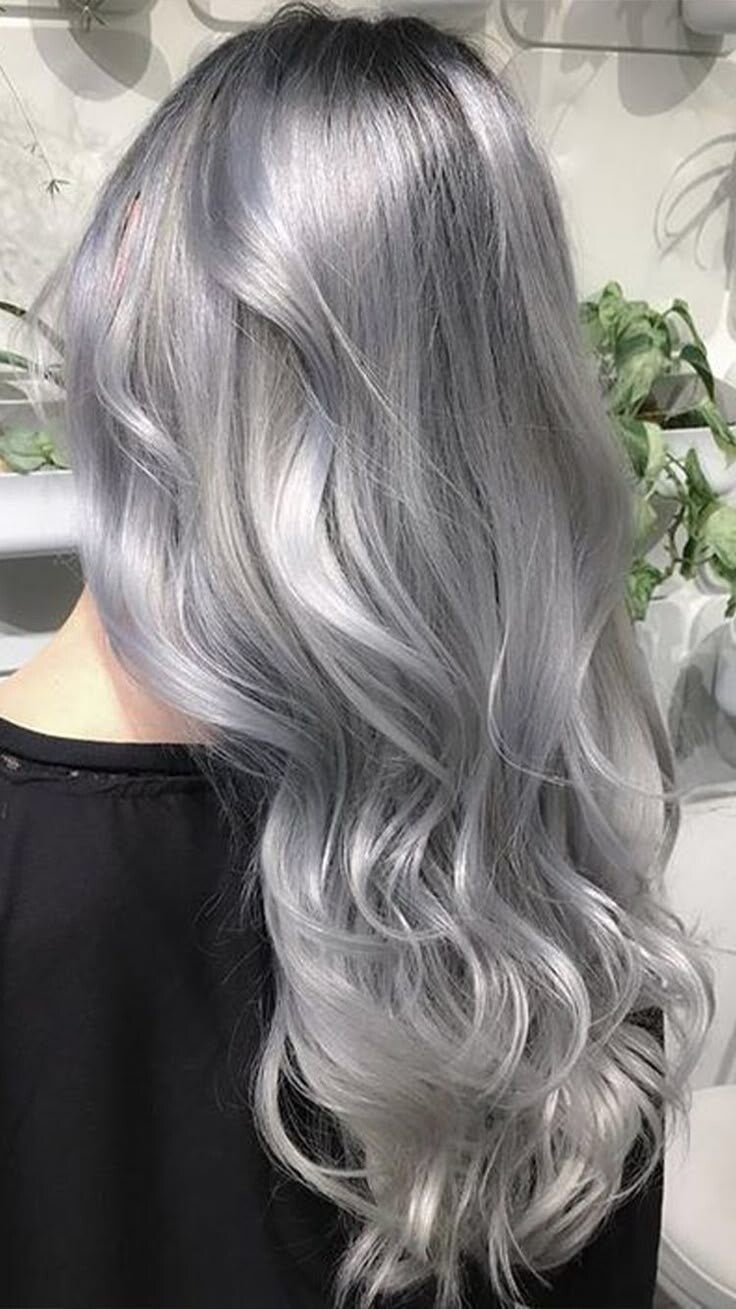

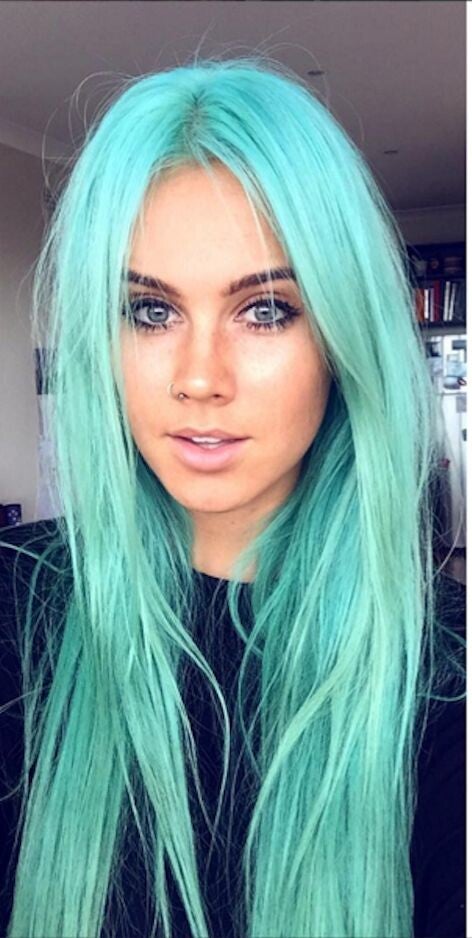
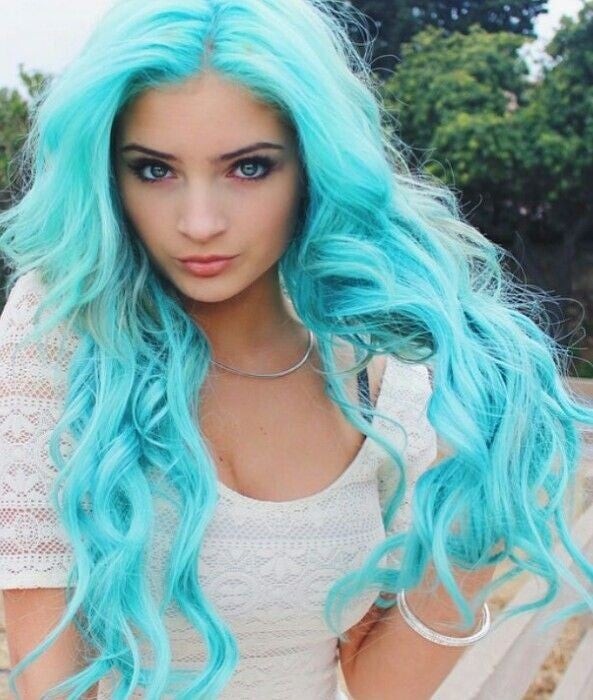

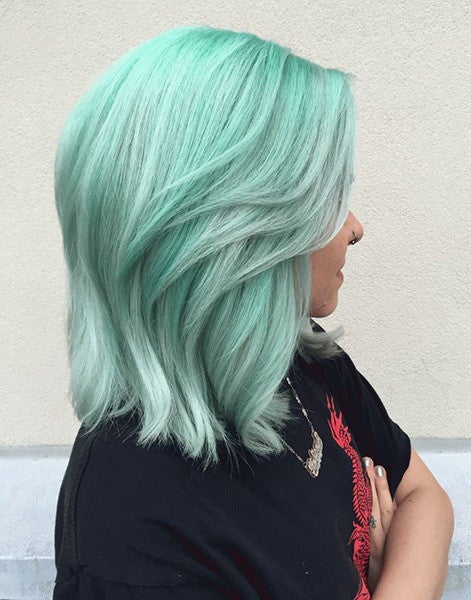
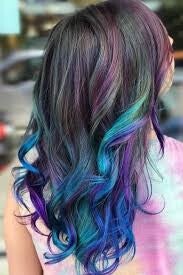
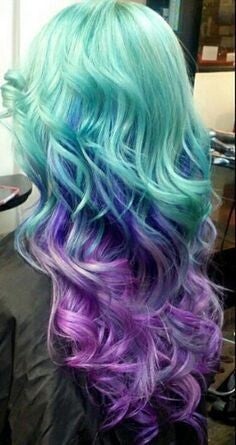
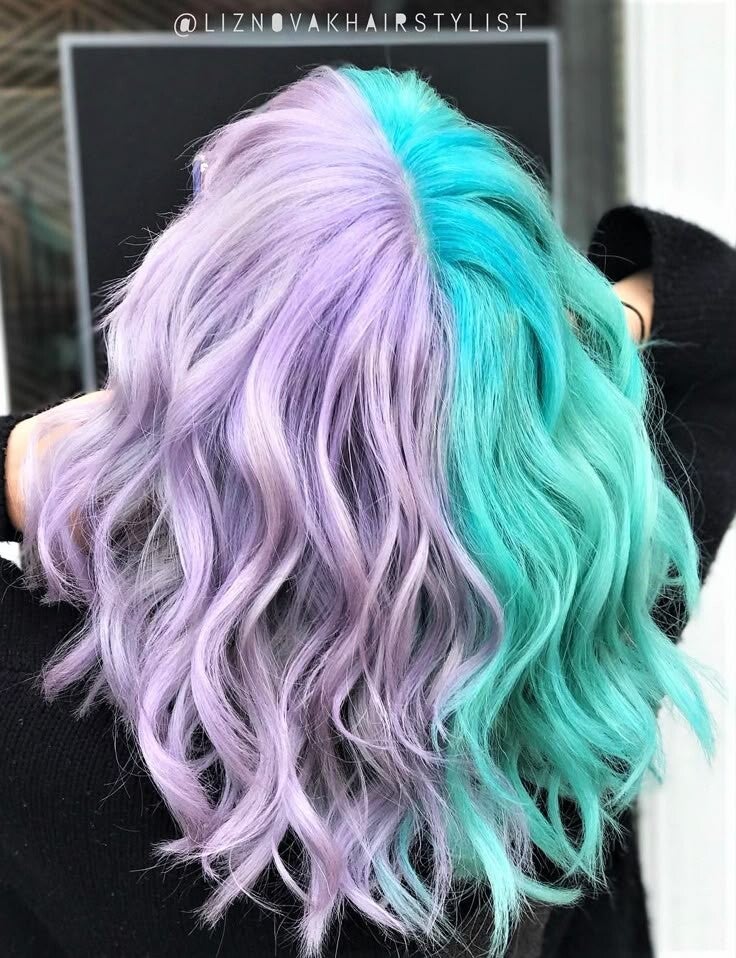
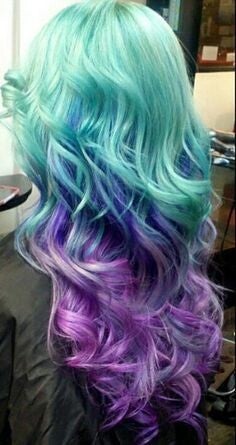
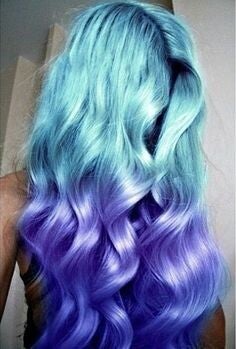
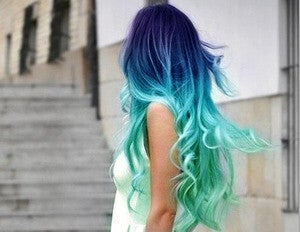
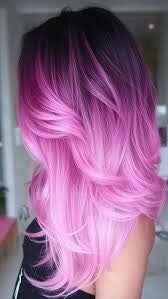
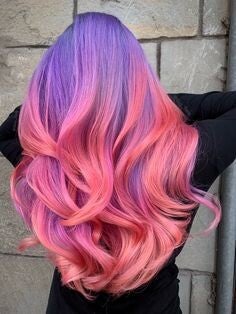
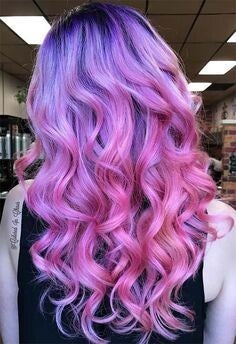
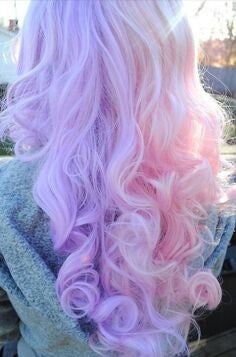


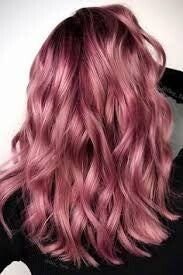

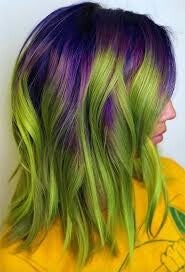
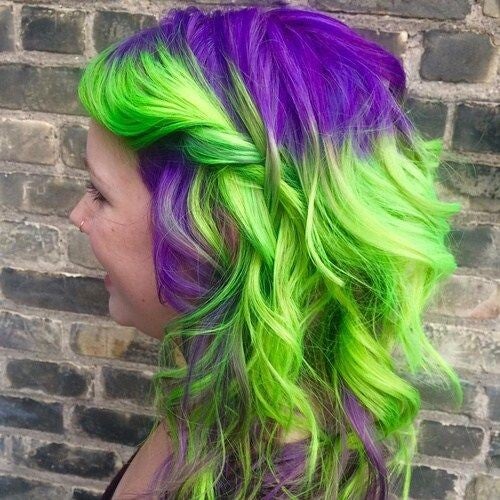
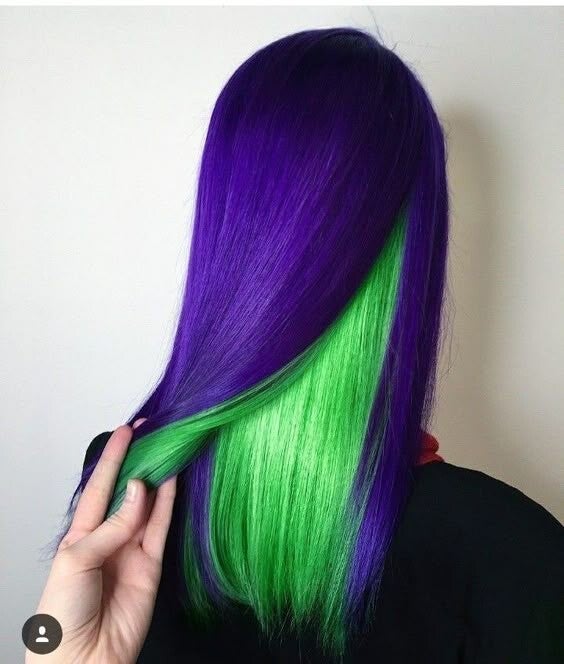
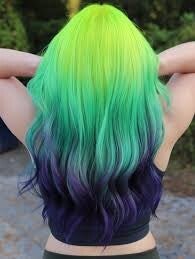
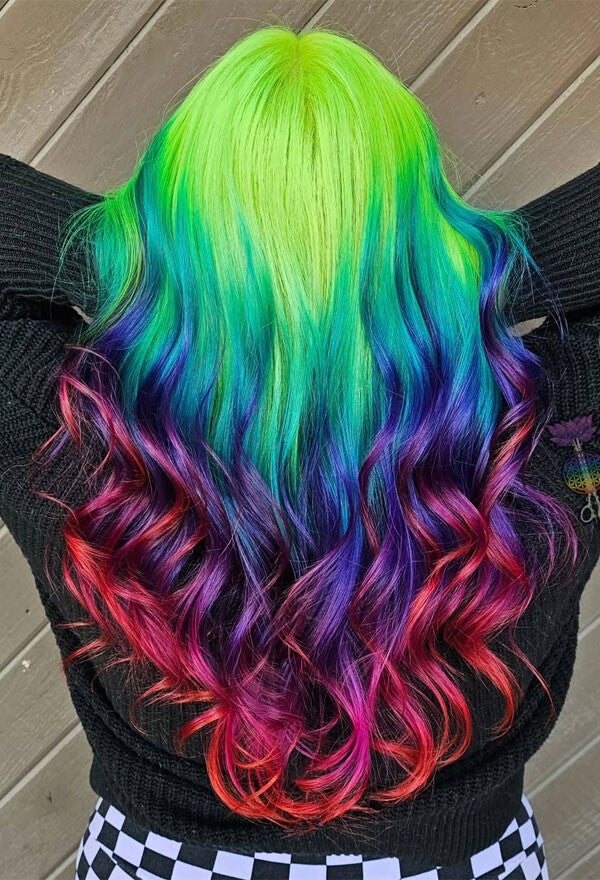
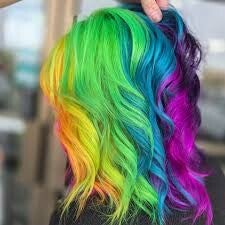

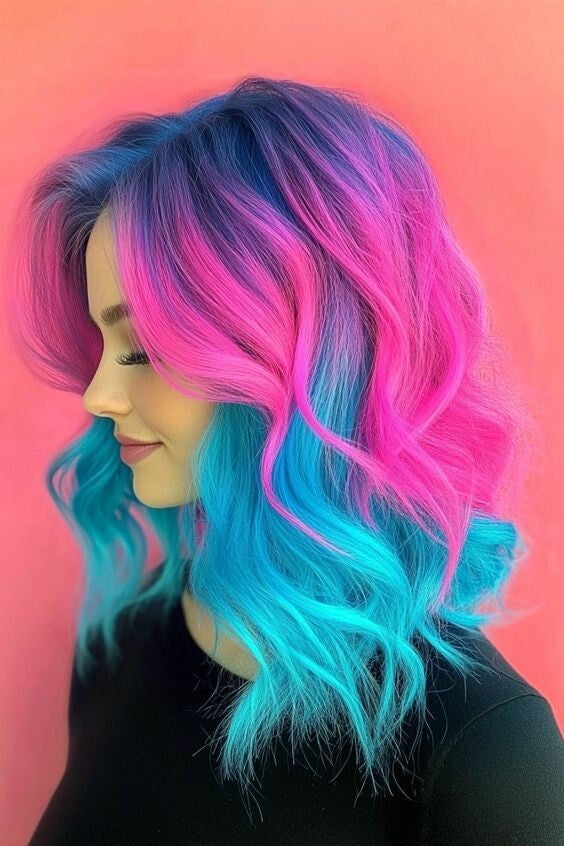

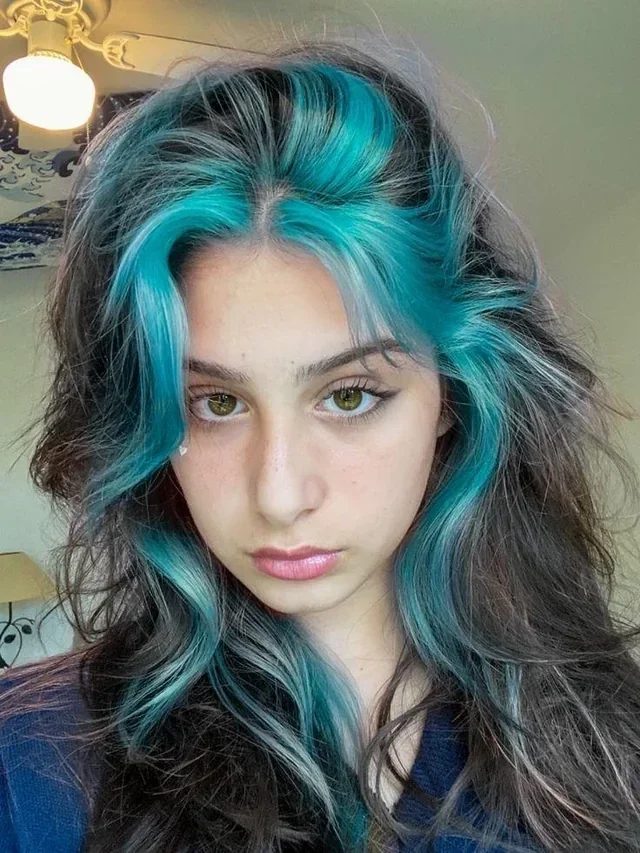
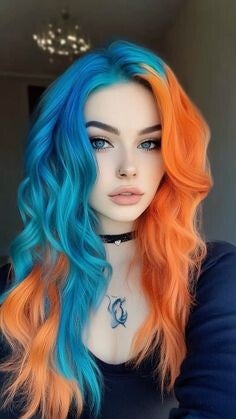

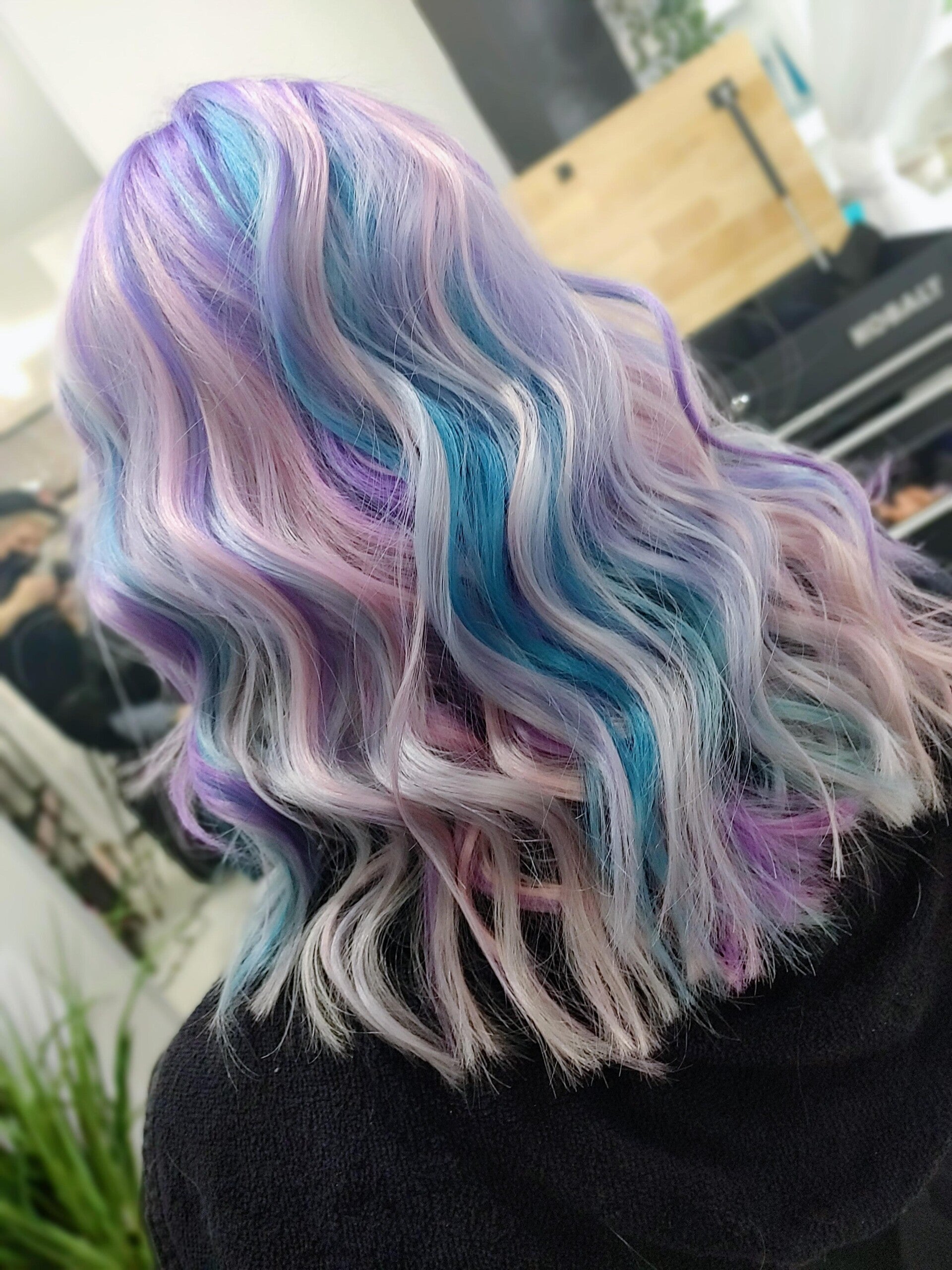
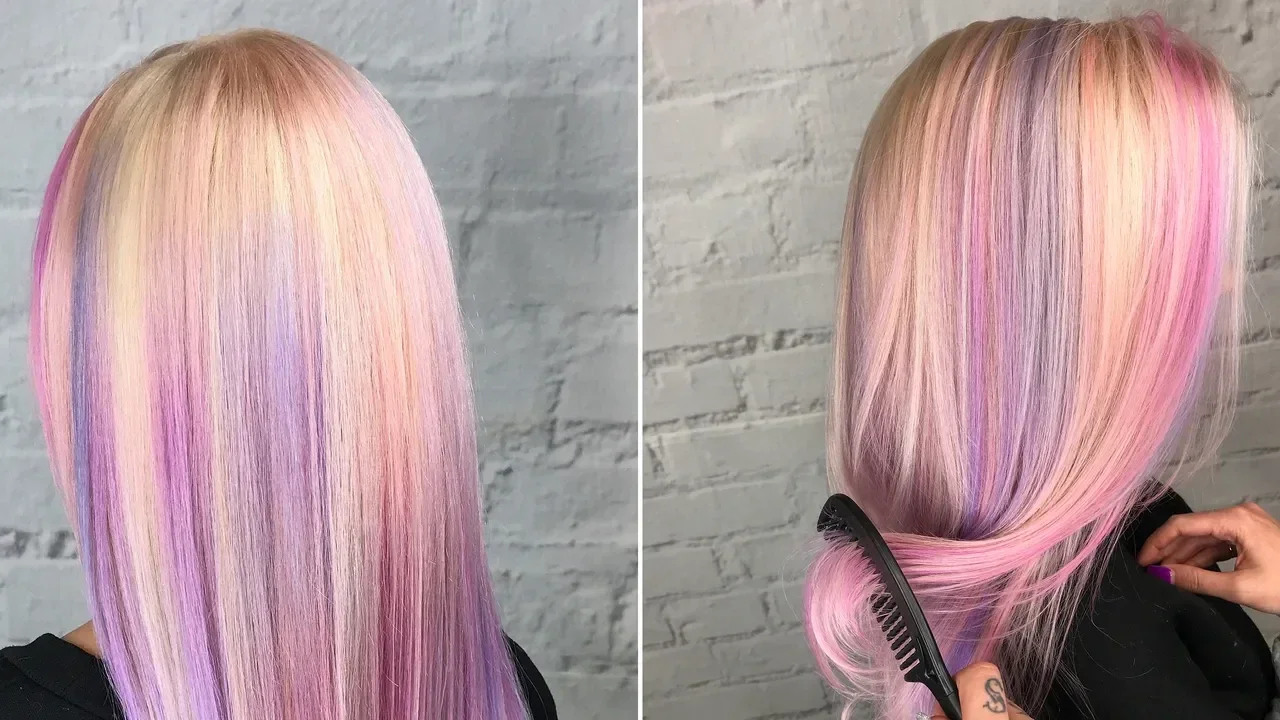
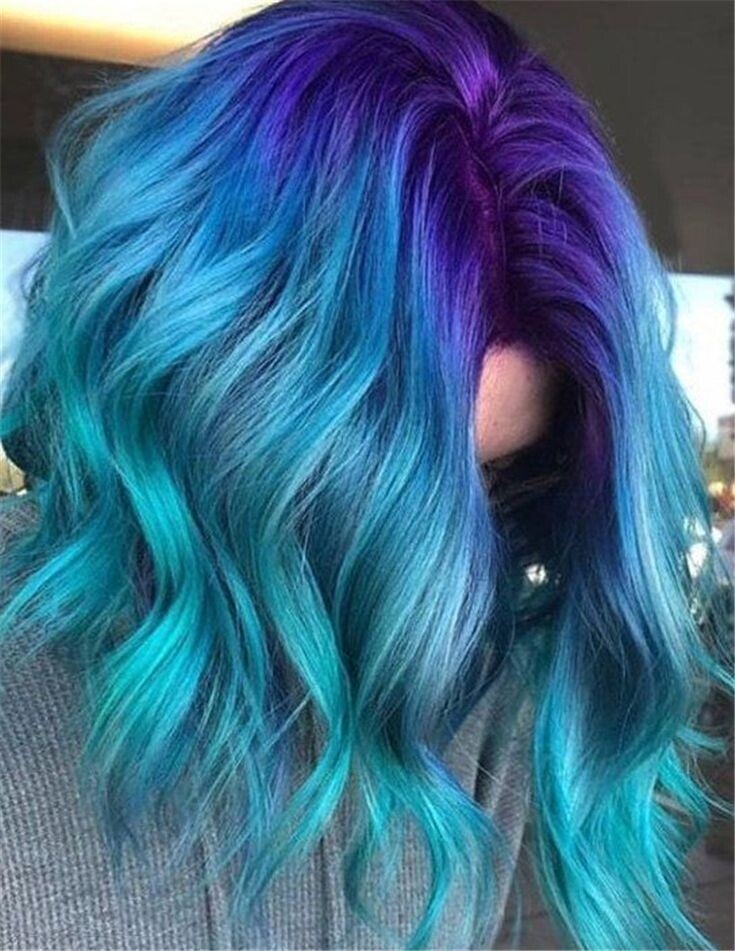
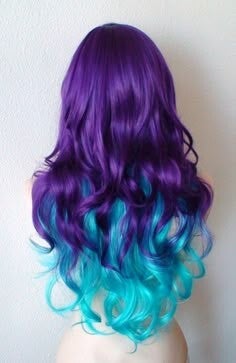
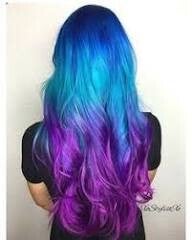
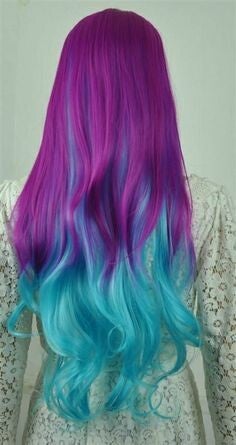
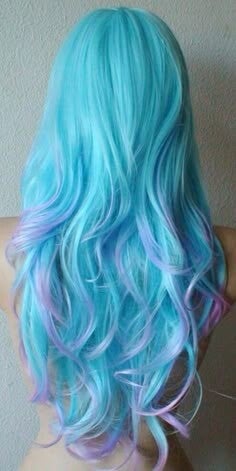
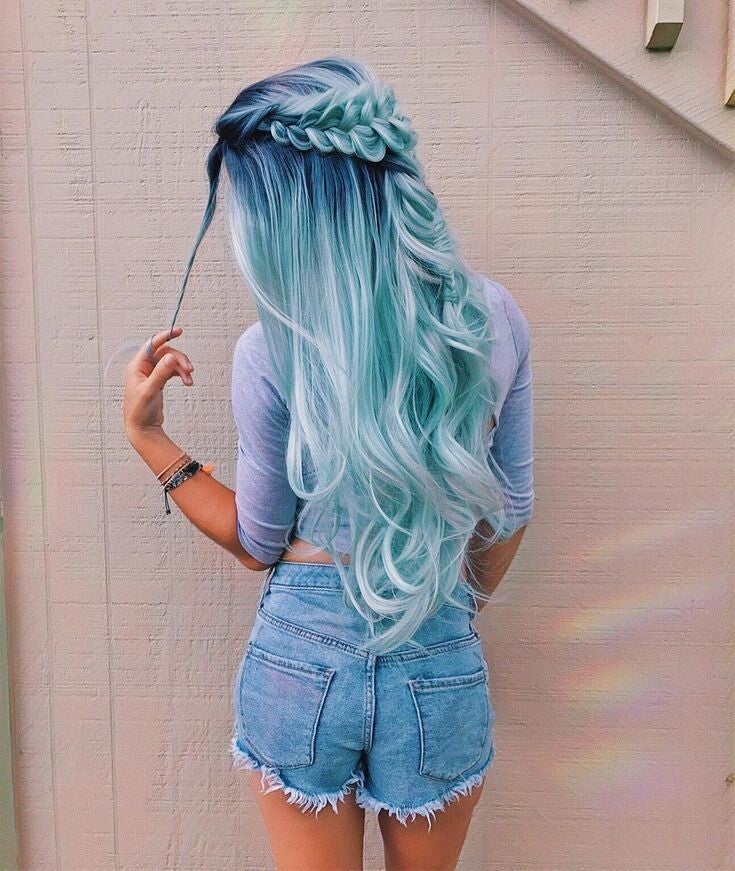
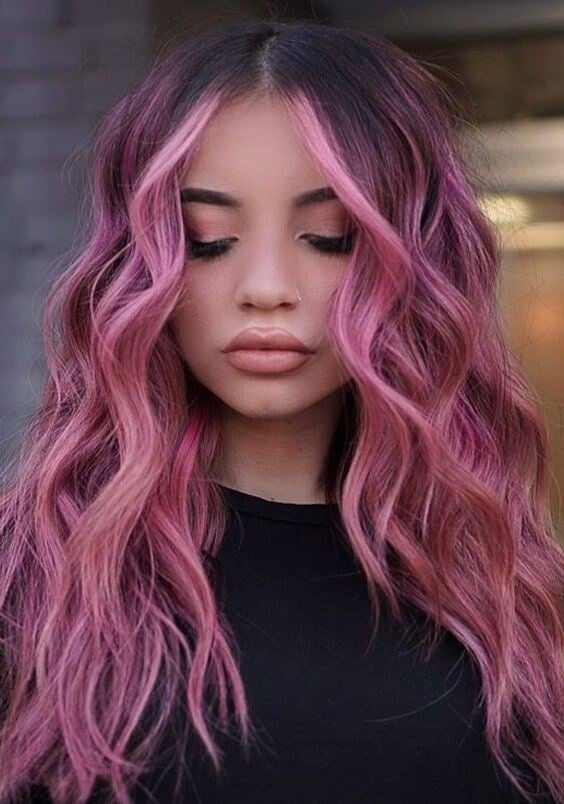
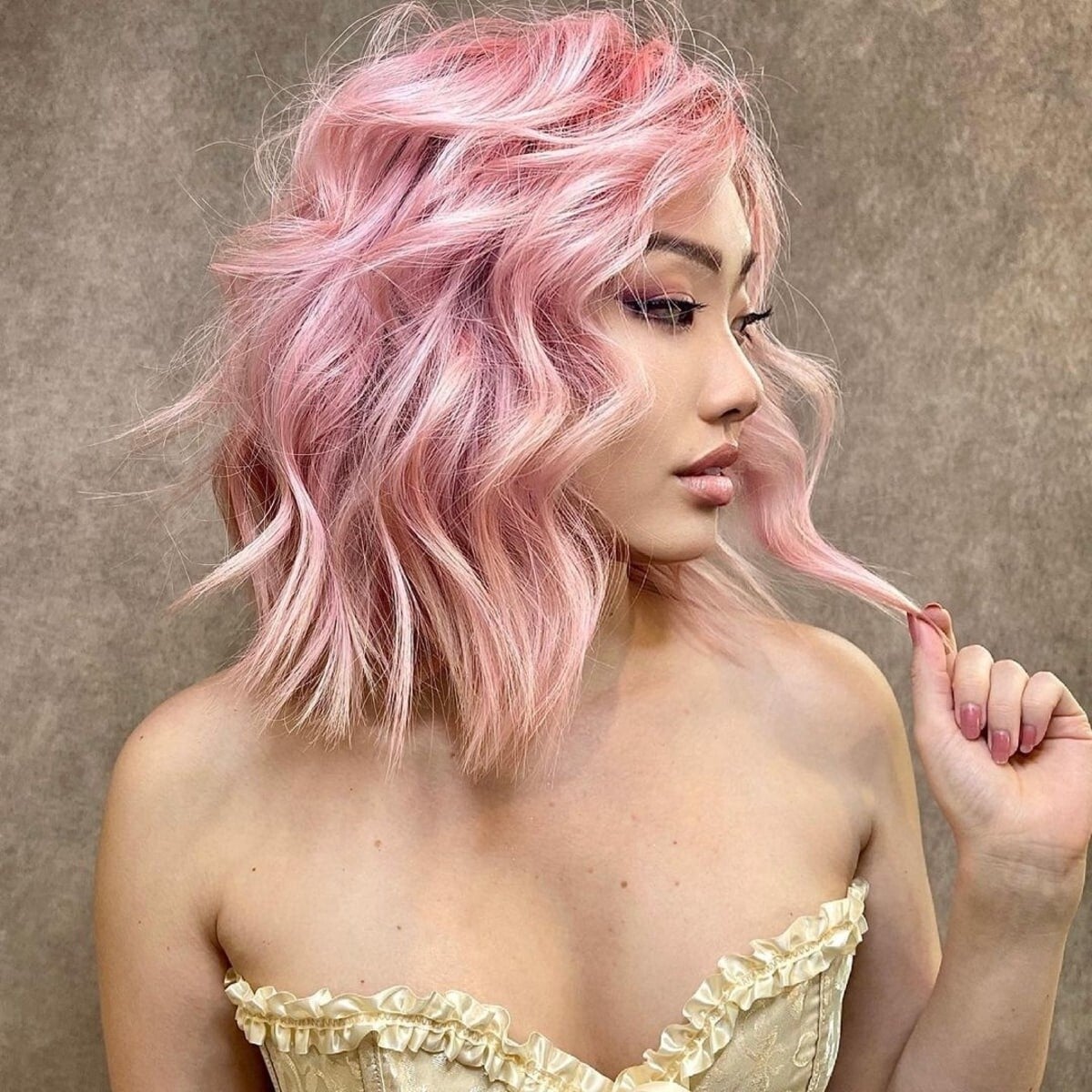
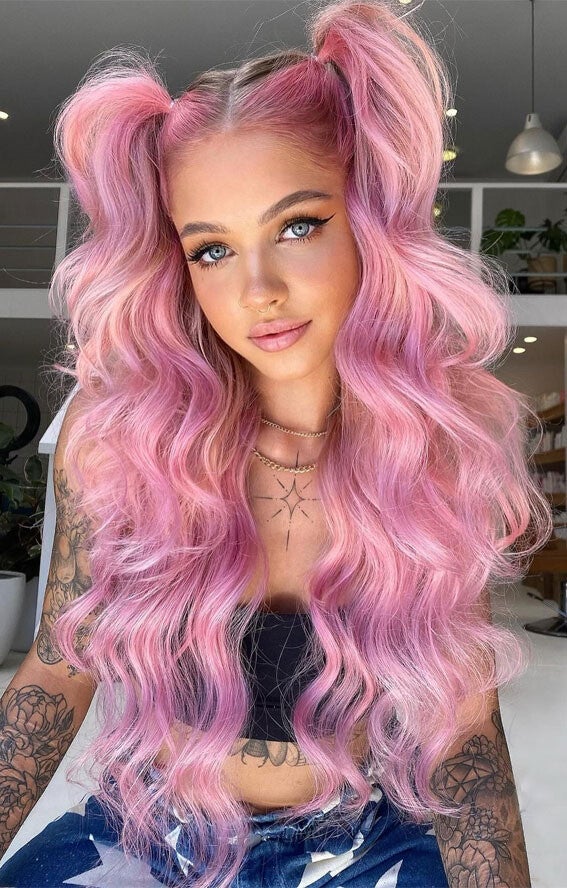
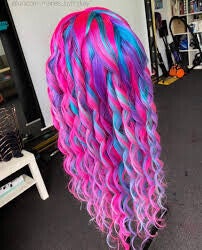


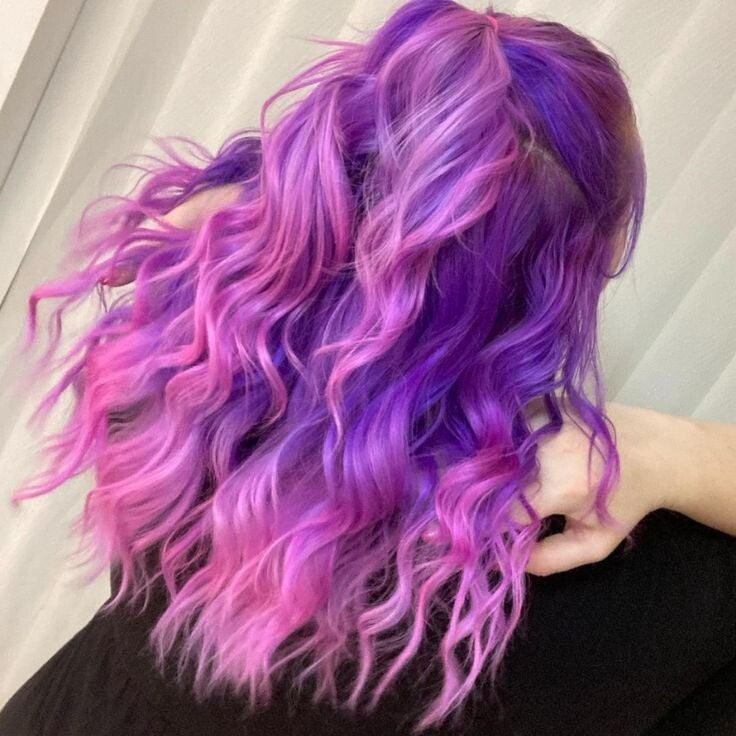
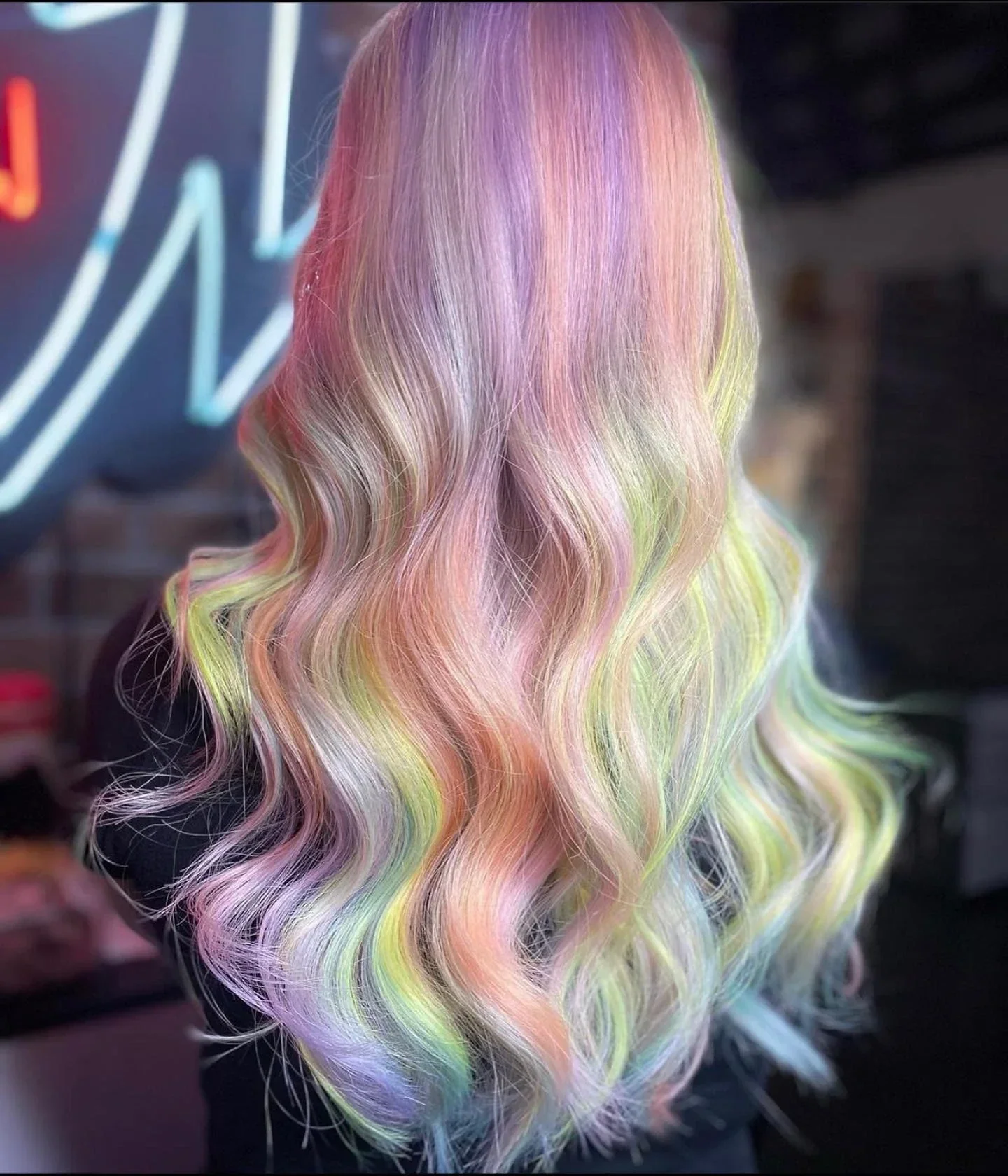
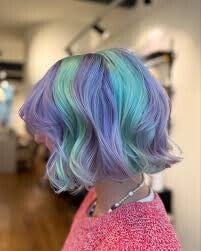
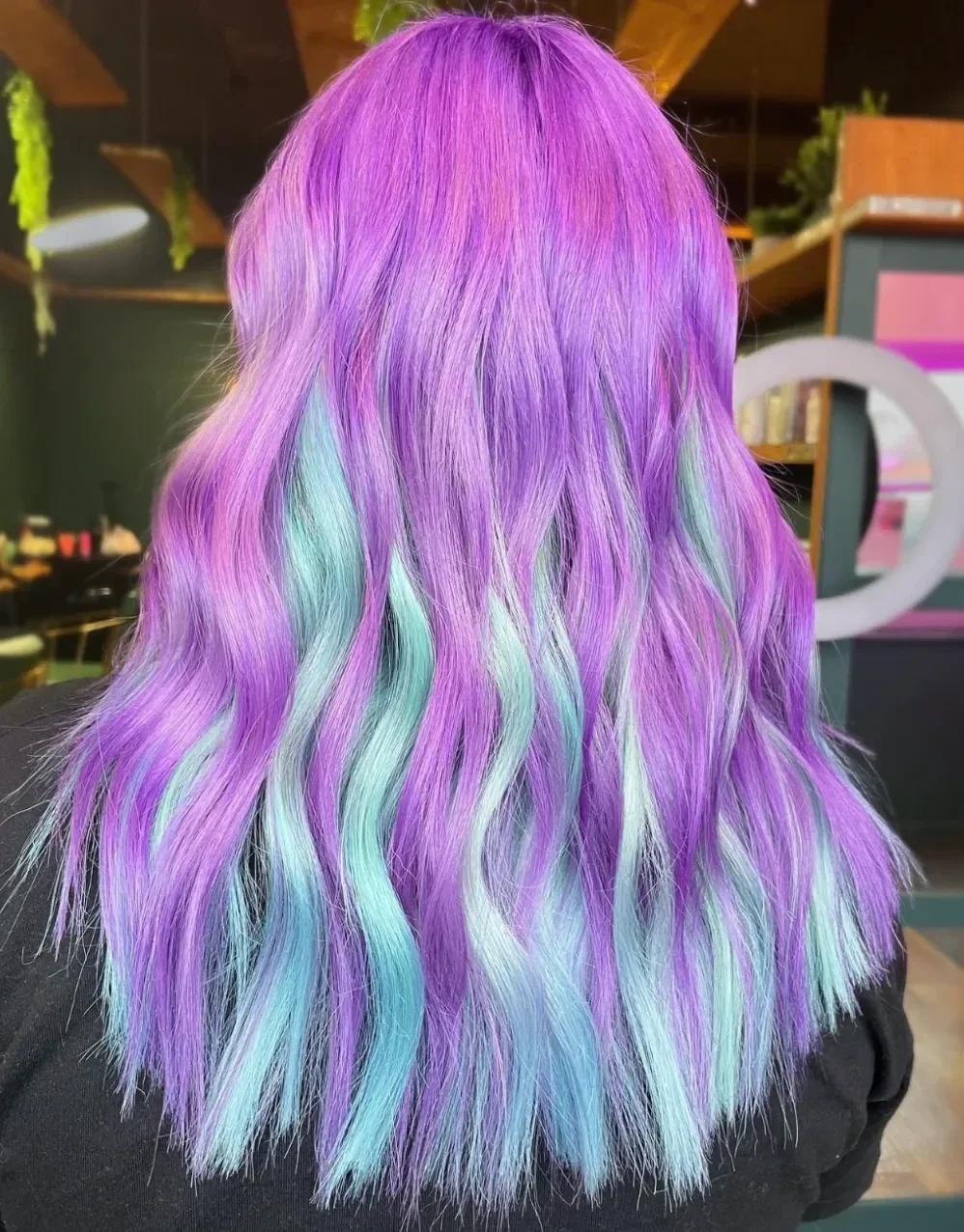
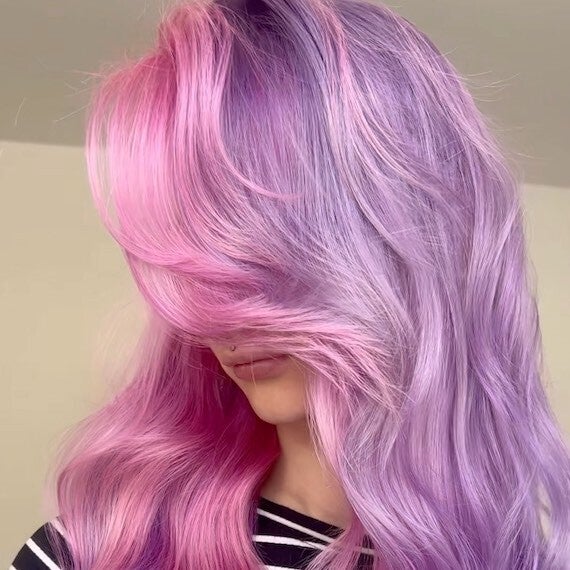
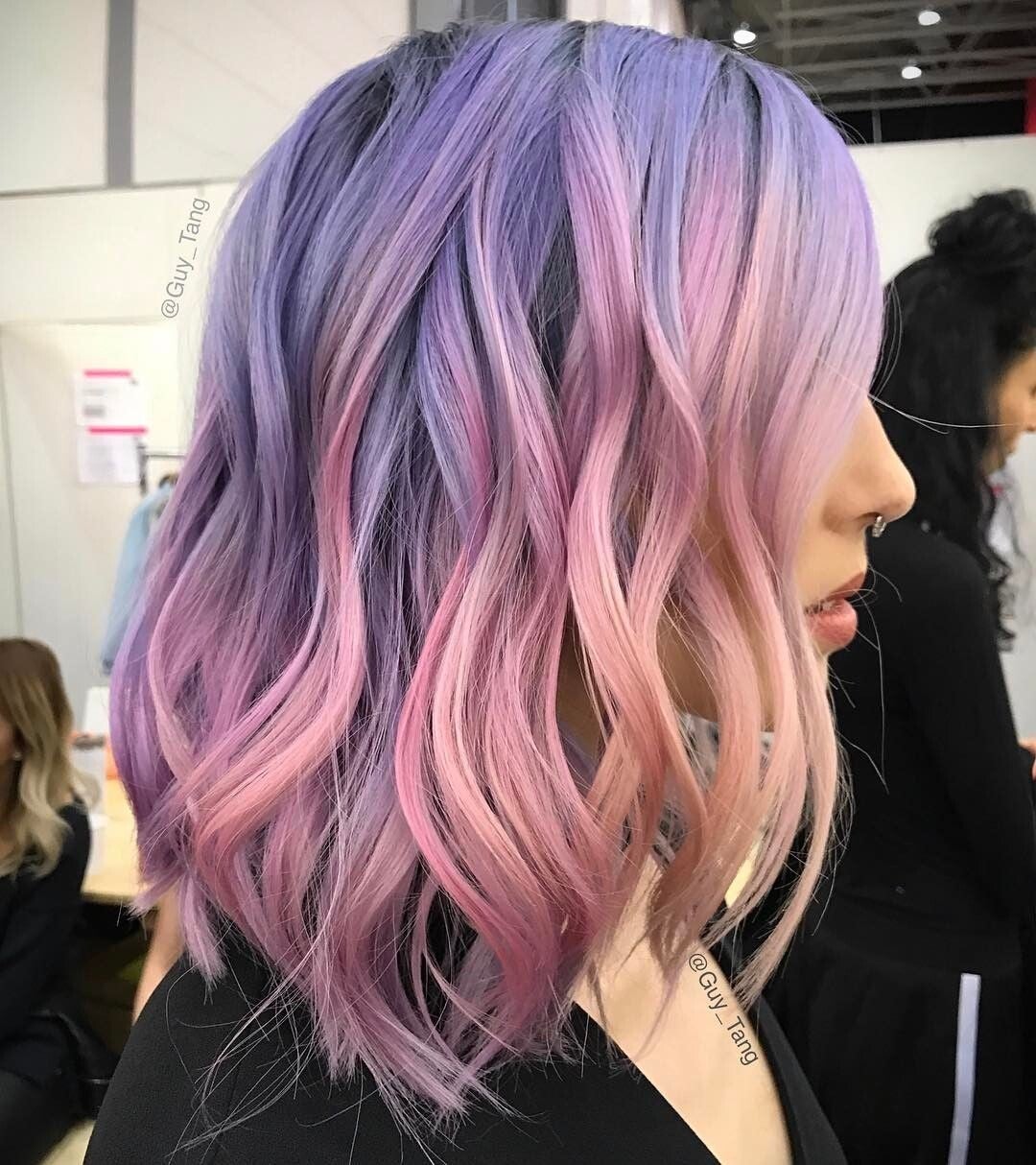
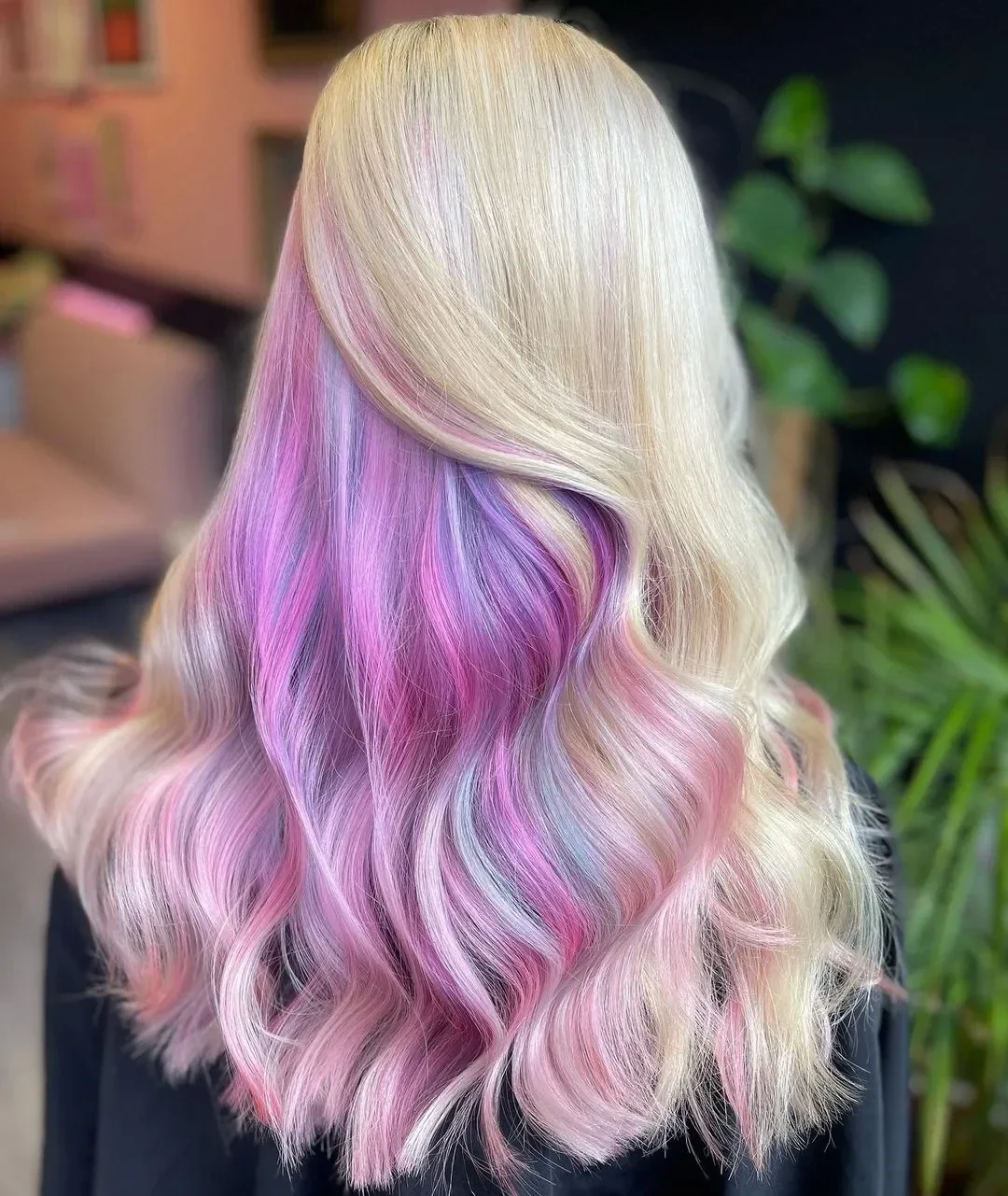
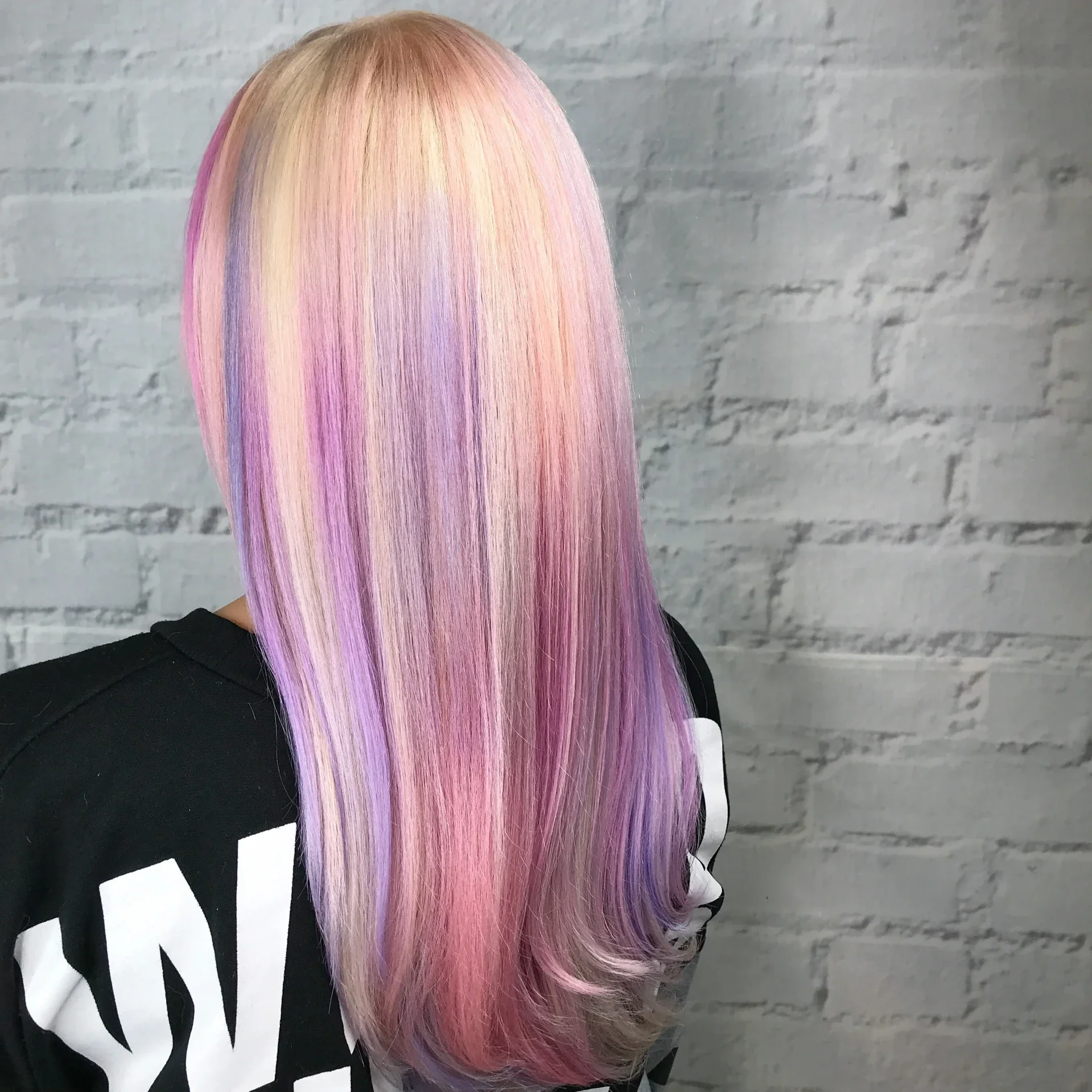
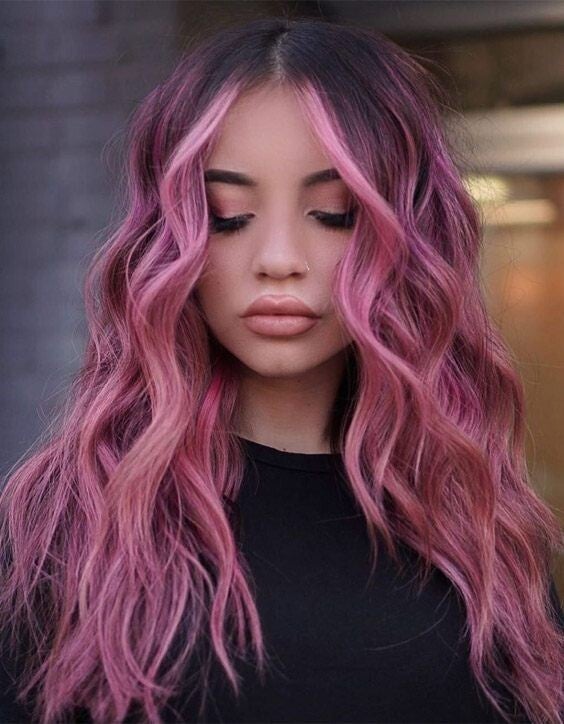
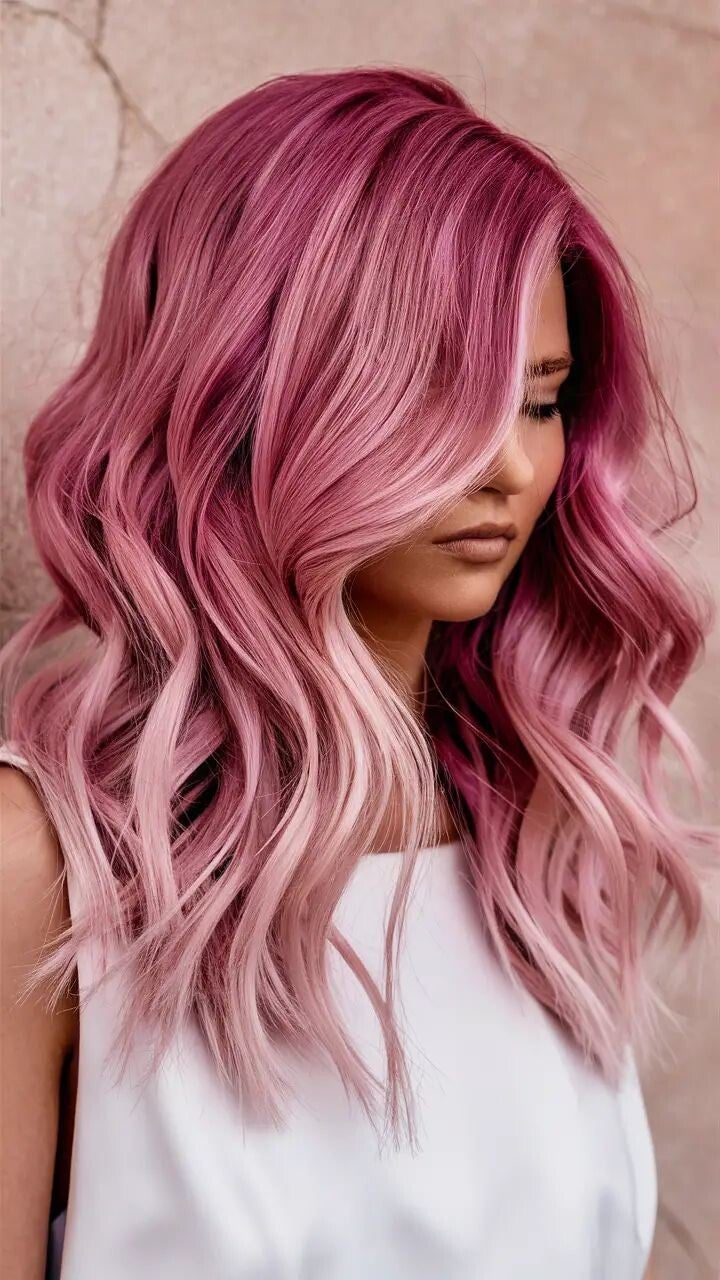




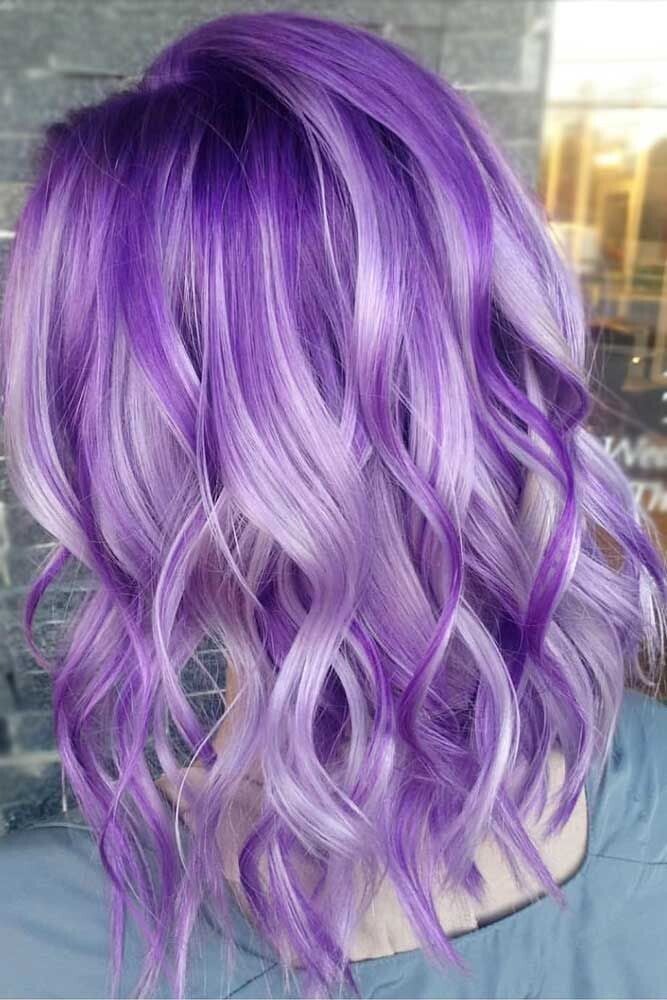


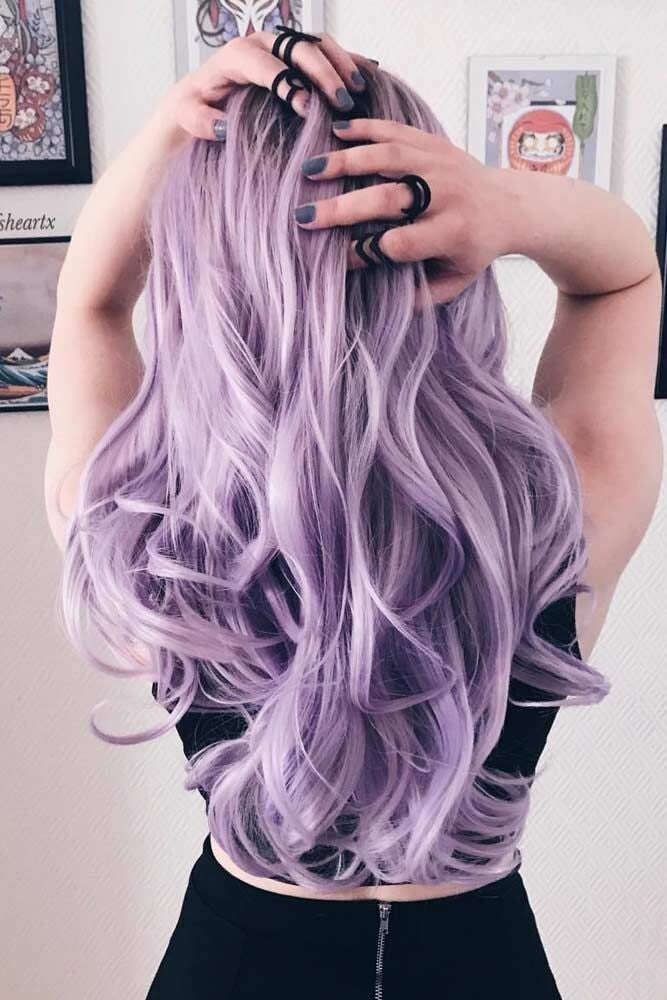

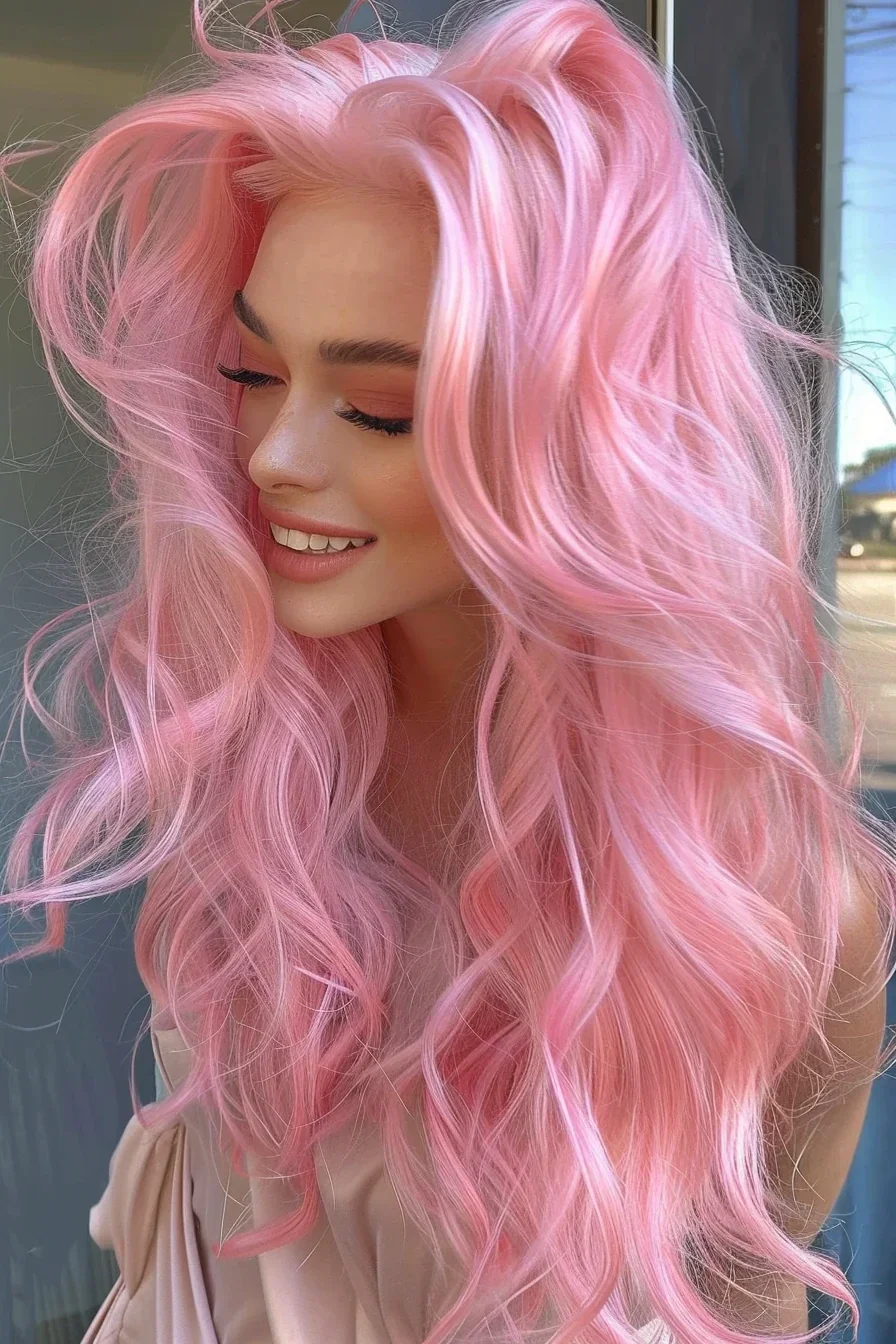
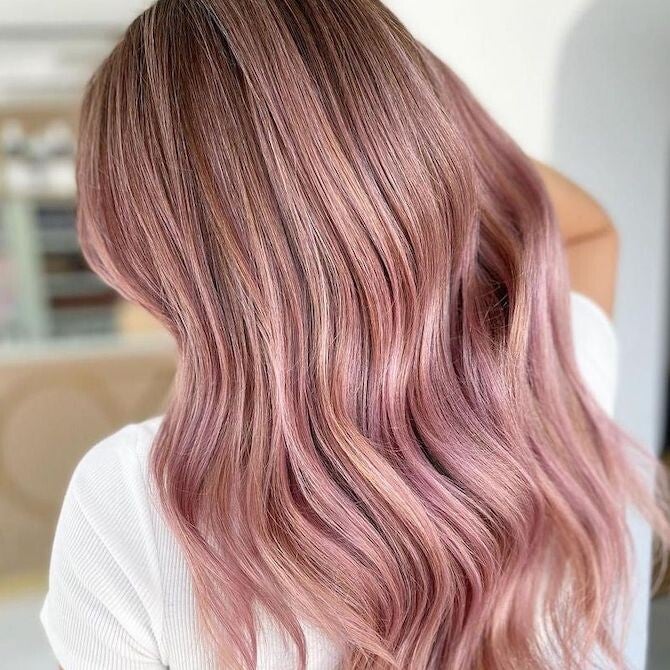
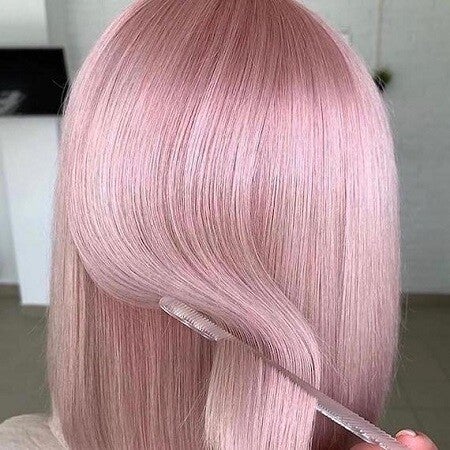
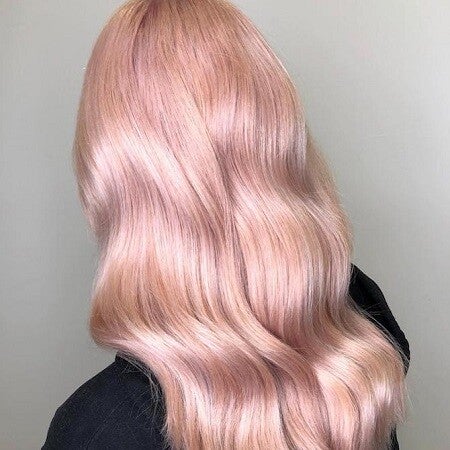

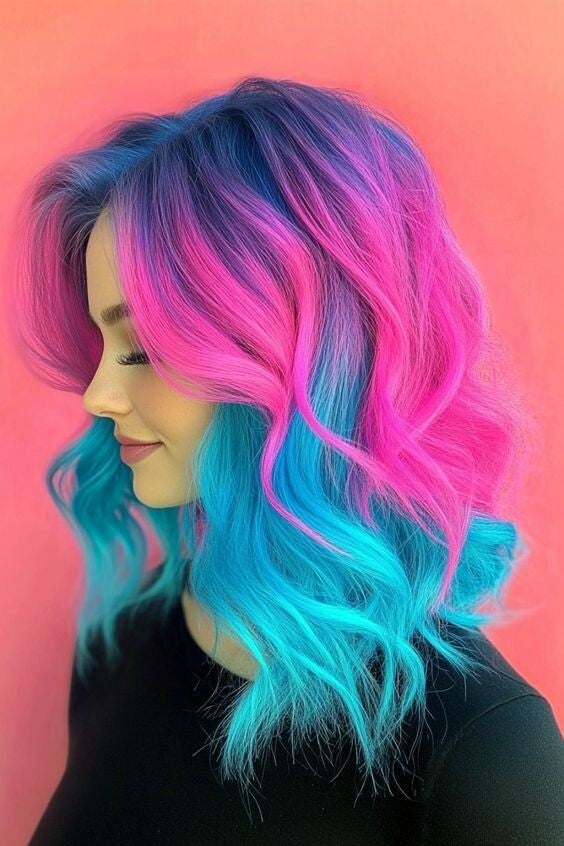

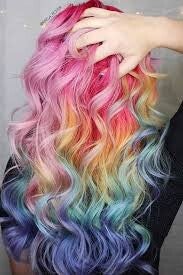
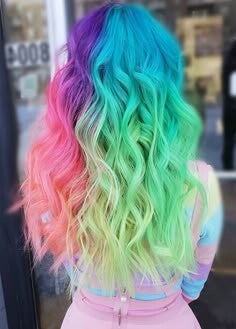
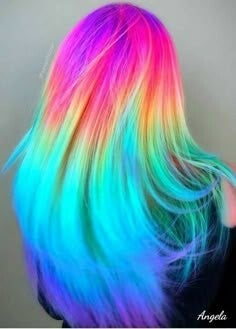
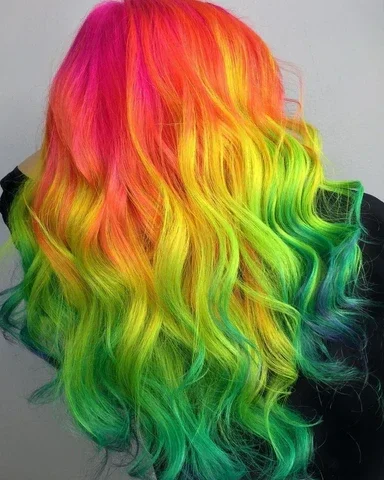
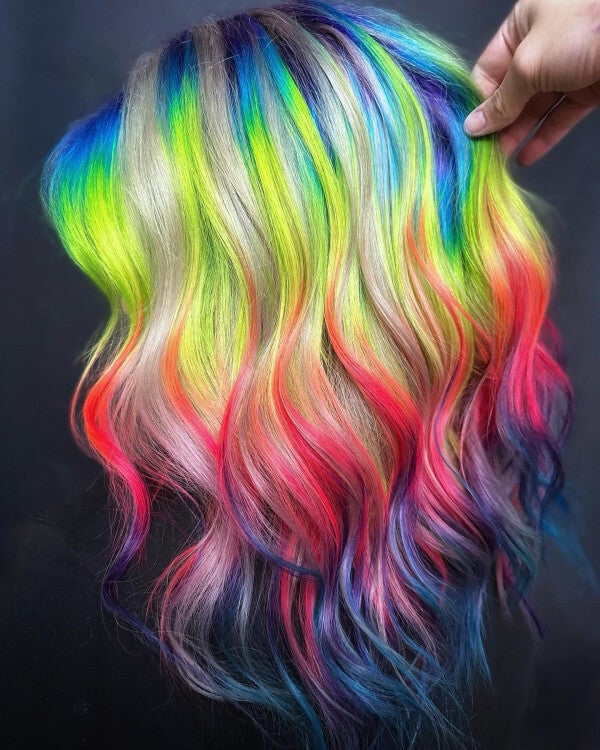

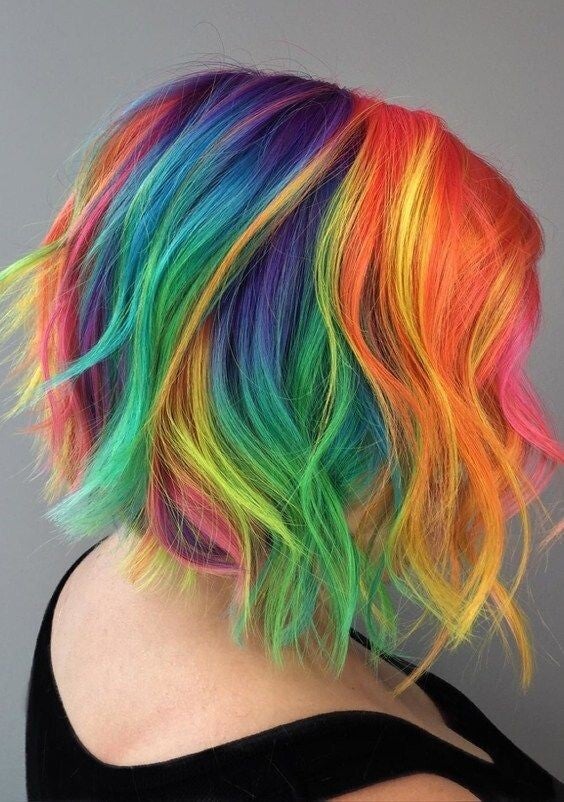
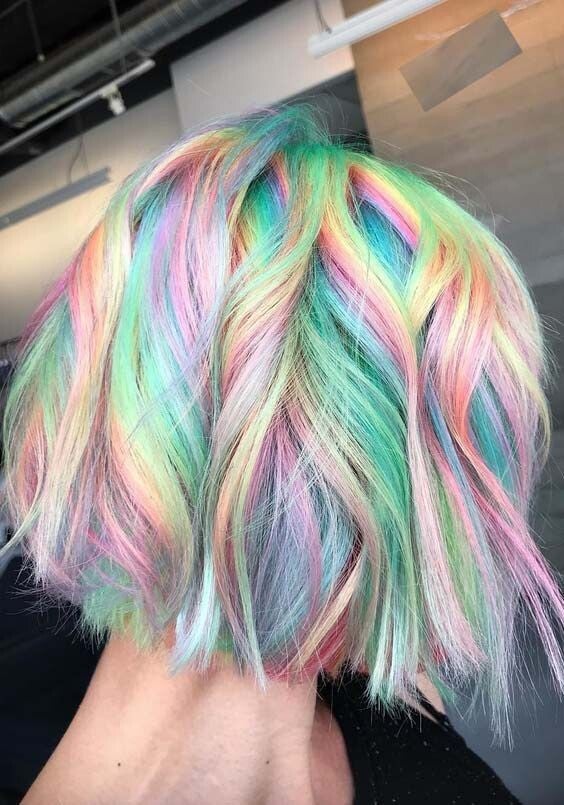
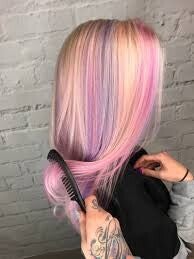
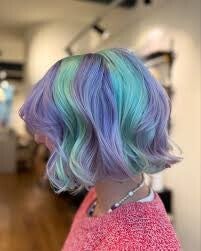
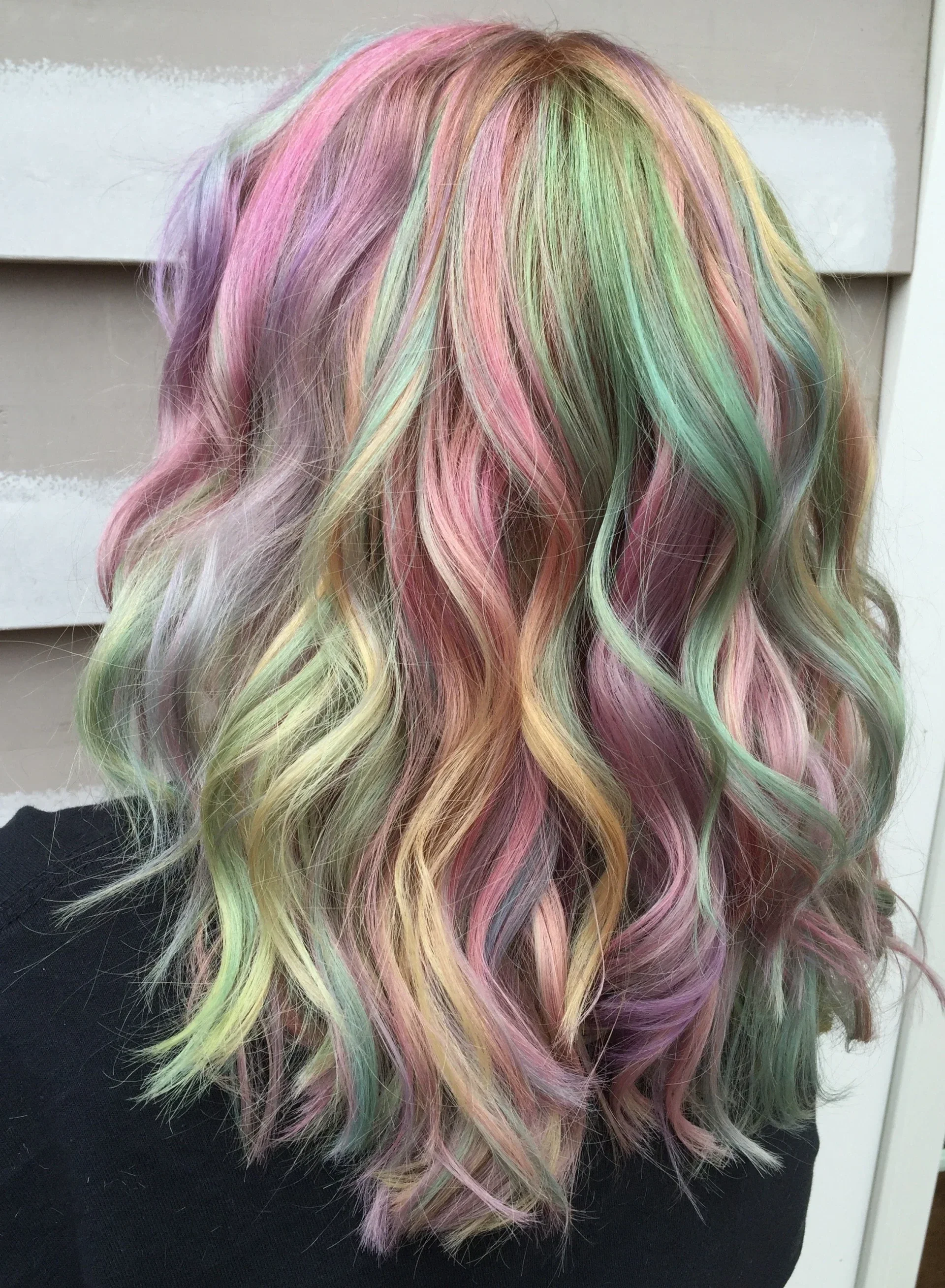
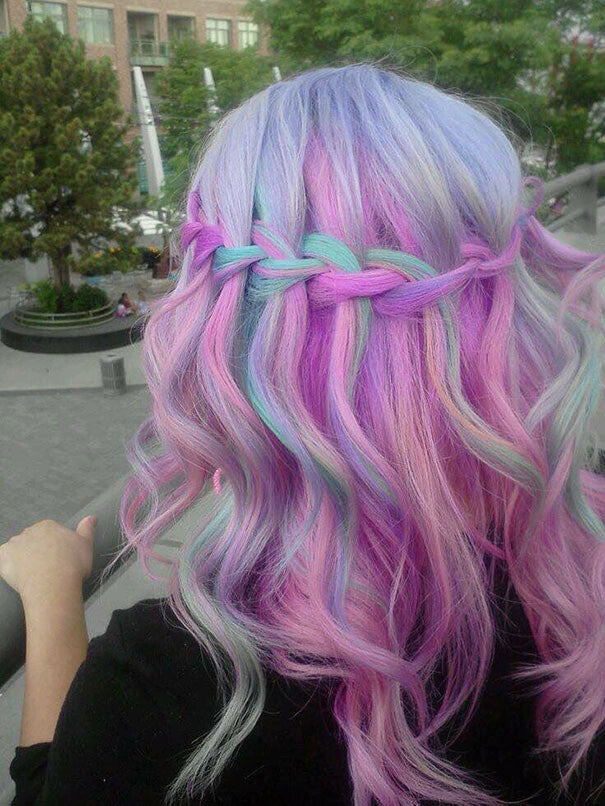
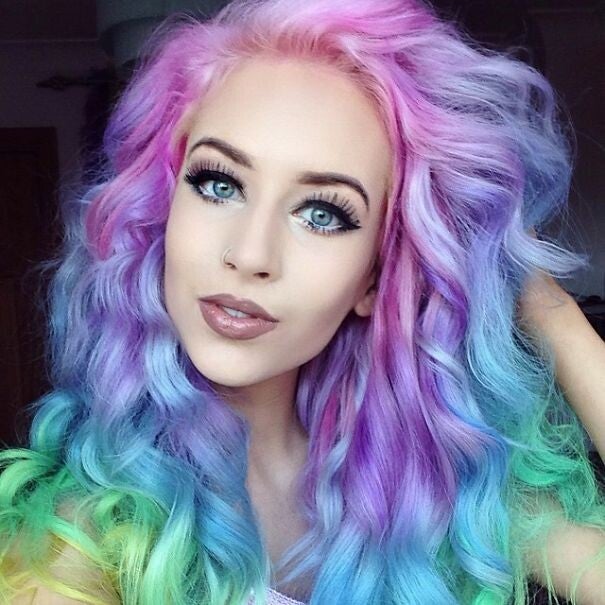
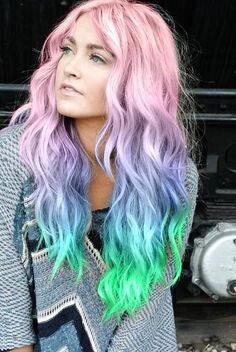
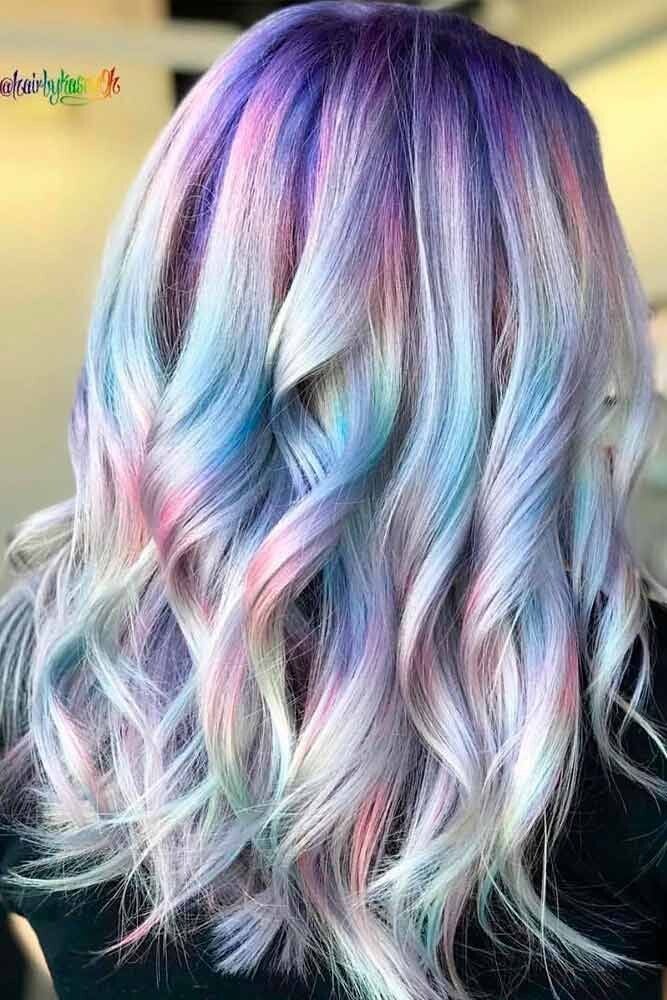
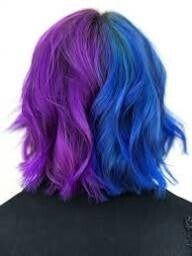
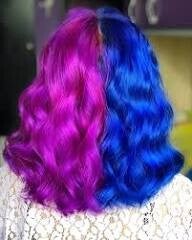
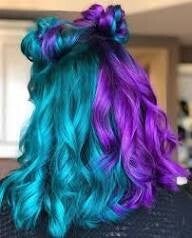
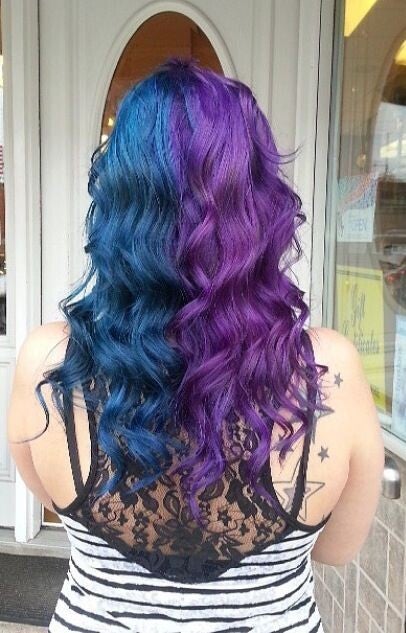
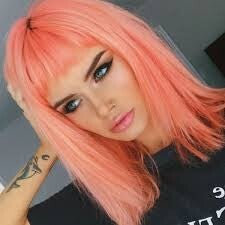
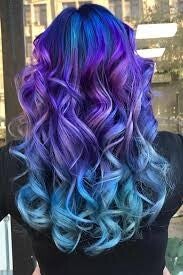


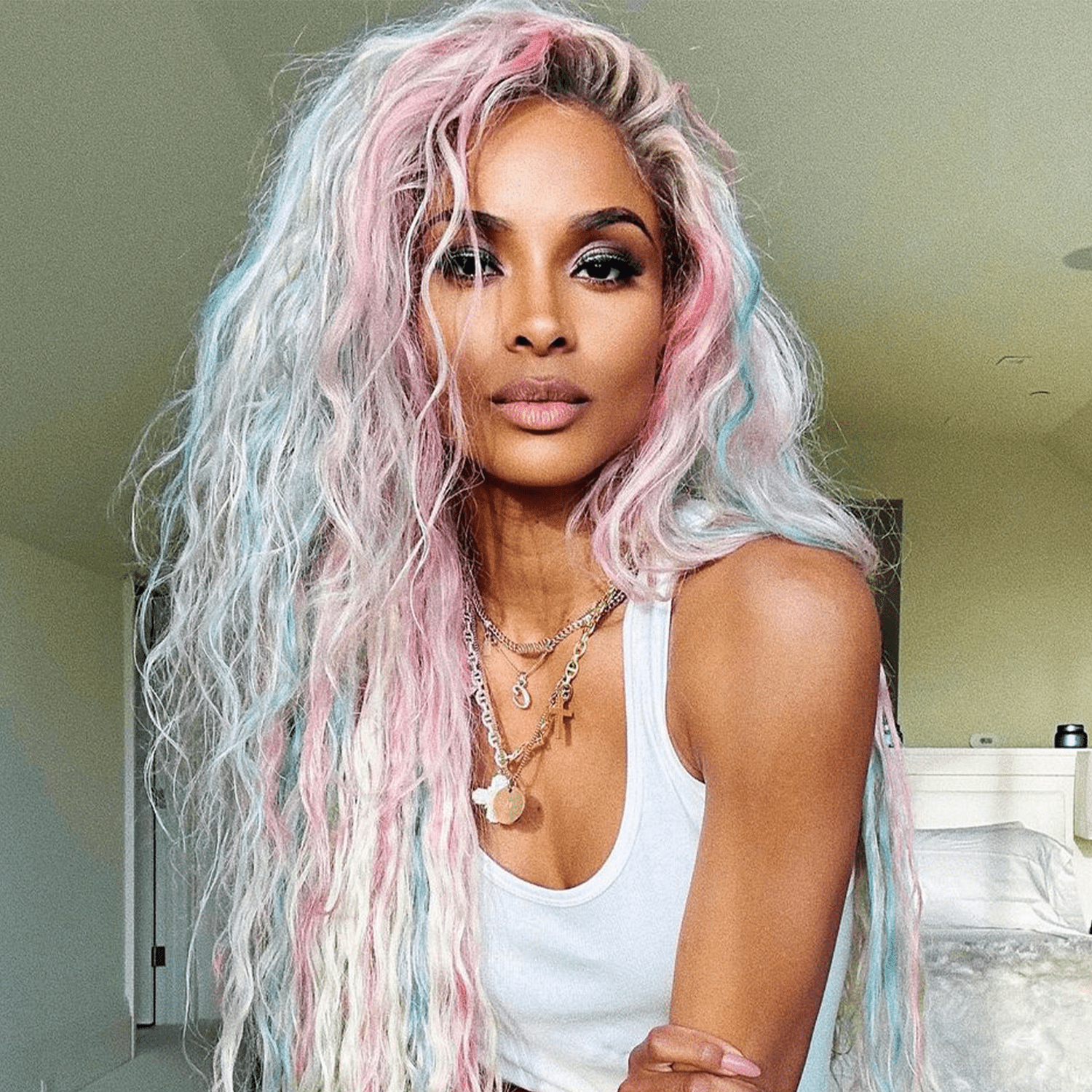
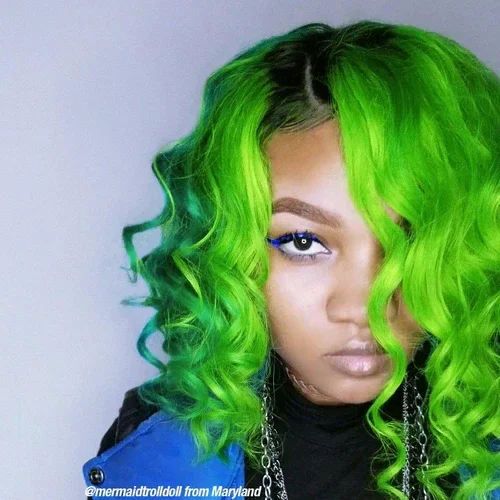
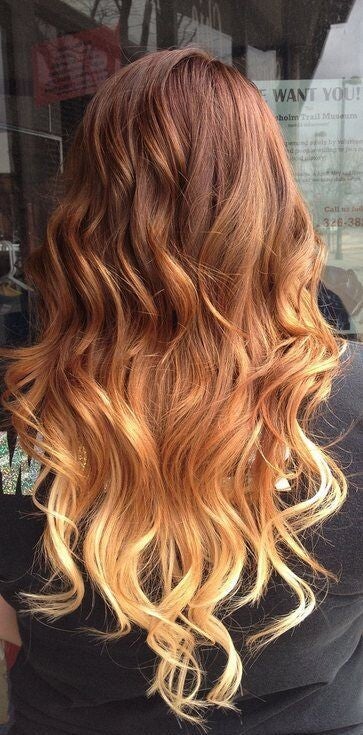
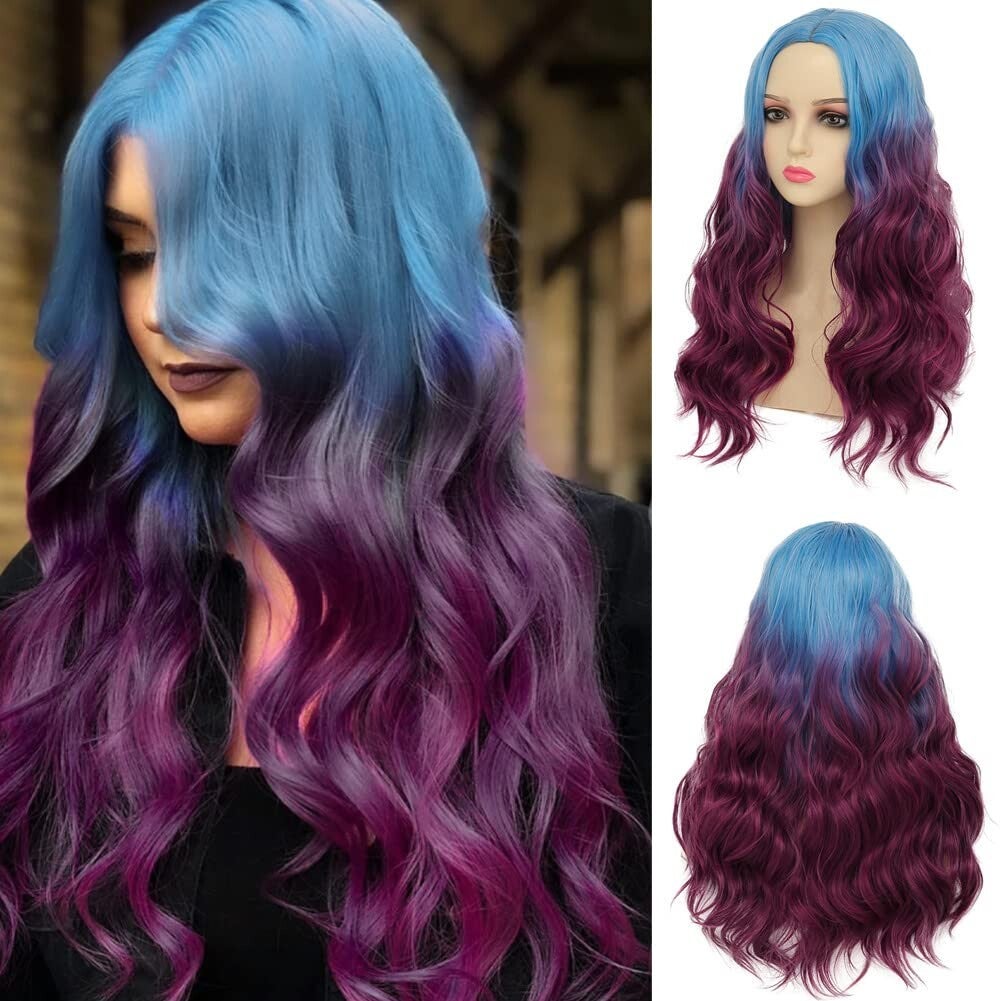


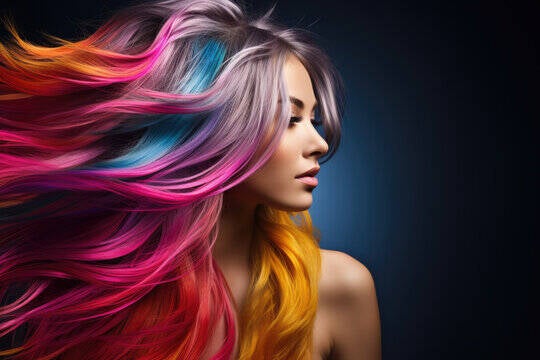

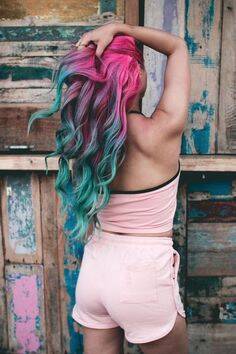
Vibrant or Pastel Colors


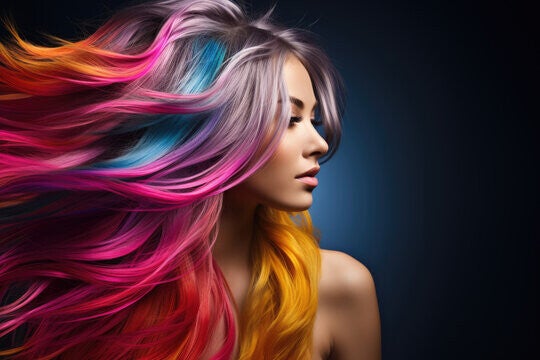
Hybrid hair color and pastel hair color differ primarily in their goal and technique: hybrid color is a low-maintenance, dimensional blending of traditional tones (often a base color with subtle highlights) to enhance natural hair, while pastel hair color is a high-maintenance, bold, and fashion-forward look consisting of soft, muted shades (like lavender or baby pink) that usually require intense pre-lightening.
Hybrid Hair Color
- Definition: A combination of a single-process base color with blended highlights (like balayage) for a multi-faceted look that is often described as "expensive" and "natural".
- Maintenance: Low. It is designed to allow for easier, less frequent touch-ups because the blending minimizes harsh roots.
- Best for: Clients seeking dimension, shine, and gray coverage without full-time, high-maintenance salon commitments.
Pastel Hair Color
- Definition: Soft, delicate shades like pastel pink, lavender, or mint that work best on pre-lightened (platinum or light blonde) hair.
- Maintenance: High. Pastel shades fade quickly (usually within 2-8 weeks), requiring frequent touch-ups and specific care to maintain the color.
- Best for: Individuals wanting a dramatic, fashionable, or "unicorn" hair look who are prepared for regular, intense upkeep.
Key Differences
- Look: Hybrid is natural and subtle with high shine, while pastels are artistic and vivid (yet soft).
- Process: Hybrid often uses permanent or demi-permanent color for the base. Pastels usually require direct, semi-permanent dyes applied to pre-bleached, damaged-prone hair.
- Longevity: Hybrid lasts longer, while pastels fade very quickly.


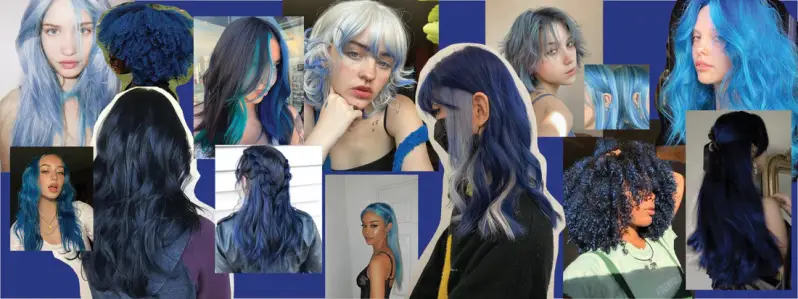
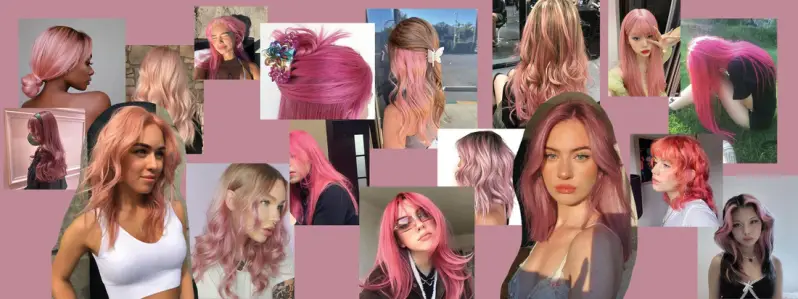



All About Lightener
Lightener packs a bigger punch in terms of coloring options, because its lifting abilities are somewhat endless. Open-air lightening and foil highlighting techniques have different lifting abilities. Inside of foil, developers lift way beyond their standard described “levels of lift”.
Lightener permanently changes hair color by breaking the color molecules and disulfide bonds. It lifts the natural or existing pigment, exposing various tones of warmth at every level of lift. The underlying pigments that are exposed are shades of yellow, gold, orange and red. Our color theory knowledge can also help in formulating glazes/toners to blend or tone down these colors.
Types Of Lighteners
There are several different types of lighteners. Cream, oil, clay, powder, and ammonia-free are the most commonly used.
- Cream and oil-based lighteners are preferable to use for on-scalp lightening processes. They provide moisture and conditioning during the lightening process.
- Clay lighteners are commonly used for balayage/open-air services as they have the ability to “crust”, creating a shell that helps the lightener inside retain moisture. More moisture provides continued lifting power.
- Ammonia-free lighteners are best when lifting hair that contains metallic dyes or is otherwise compromised to avoid any chemical breakage.
Lighteners have a lot to do with chemistry, but they also have a lot to do with our color theory decisions. When we combine color theory, our own color knowledge, and our decisions, we create a roadmap that can predict what we will end up with based on where we started.
Formulating Color Versus Lightener
TYPES OF HAIR COLOR
Some of the first things we focus on in cosmetology school are different types of haircolor products and how to determine the correct products to use in different situations. Understanding how different types of hair color tie into color theory and achieving your final result is very important as a professional hair colorist. The four main types of haircolor products include permanent, demi-permanent, semi- permanent, and temporary.
-
Temporary colors typically come in the form of chalk, spray, or powder and wash out after one application.
-
Permanent colors will permanently change an existing color, and can both lift and deposit. These are typically mixed with 10, 20, 30, or 40 vol. developer. These are also what we mostly use for gray coverage.
-
Demi-permanent colors are ammonia-free shades that do not penetrate as deeply into the hair shaft, getting just beneath the cuticle, creating a deposit-only option. These are typically mixed with a lower volume developer (think 5 or 7 volume). There are some tricks to using these for gray coverage. I feel that demi-permanent colors are the most underrated in the color realm due to their versatility and the ability to adjust them at each appointment.
-
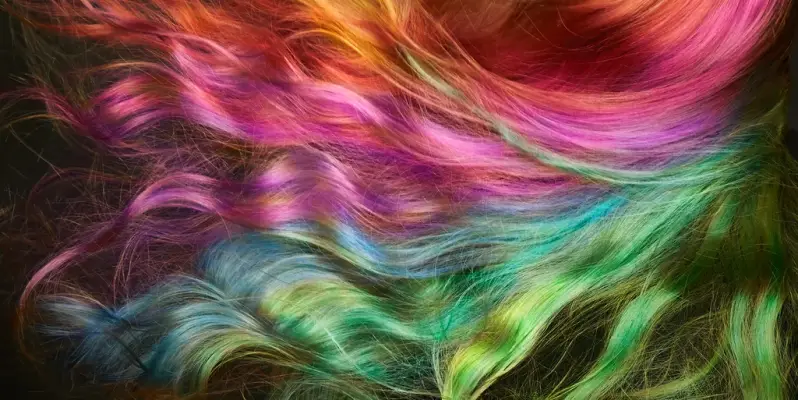
Semi-permanent colors are not mixed with a developer and don’t contain ammonia. These are sometimes referred to as direct dyes because they sit on the surface of the hair. (Think fashion shades and pastels.) These cannot lighten hair or cover gray. Because semi-permanent colors do not mix with developer and sit on the surface, they don’t always follow color theory. Each manufacturer has different tips and rules for what base levels to use their shades on.
The Product Club Quick Study Guide provides a great overview if you are looking to enhance your understanding of color theory or get a quick refresher on color formulation.


Using color to lighten existing hair color requires an understanding of what color can actually do. The benefit of using hair color to lighten hair is that it provides some control over contributing warmth with proper formulation. Understanding what developer to use also greatly affects the result

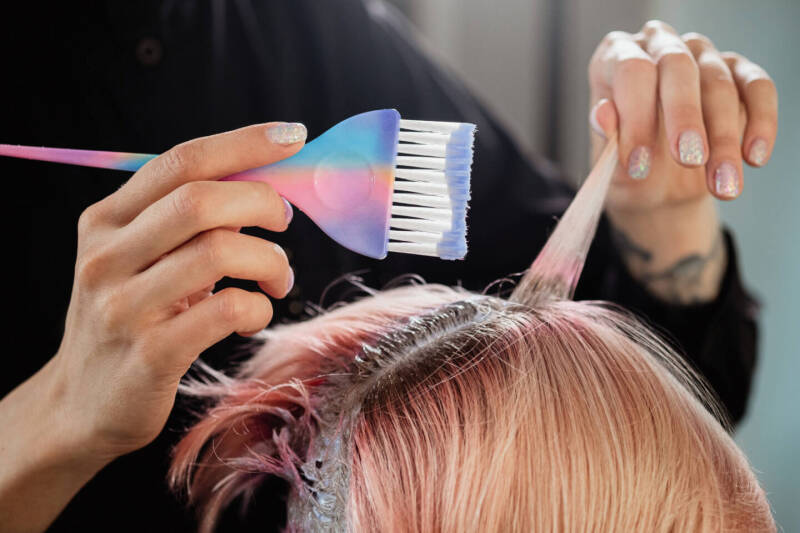
Here's an example of how to combine developer and color theory to create an appropriate formulation plan:
- Existing Level: 5
- Desired Target Level/Tone: 7 Neutral Beige
- Percentage Gray: 0
- Formulation: 7 Ash or 7 Ash/Violet w/ 20 volume
The underlying pigments that will be present when lifting from a Level 5 to a Level 7 are orange with some orange/yellow and can be controlled with blue and violet.
Color Limitations
There are limitations to what color can do when controlling underlying pigments. When lifting more than two levels from the existing level, the ability to control contributing warmth (red, orange, yellow) is not as efficient. Color cannot take a client from a level 4 to a cool level 9, no matter what developer or formula you use. Check out David Velasco’s Texture Bar Chart for more detailed information!
Lightener Advantages
Using lightener rather than color does provide the advantage of more levels of lift and more toning options. Even when a client wants a vibrant red, purple, or a light ashy brown - these colors have been prelightened and toned to create those shades and nuances. We often forget that a “double-process” is not just for blondes! Any sort of shade that appears to be a true tone or absolute ash/neutral has been prelightened to eliminate any contributing pigments.
Remember, there is a science to creating great hair color. It includes chemistry, trichology, and color theory combined with your knowledge and experience as a hair colorist. The more you practice your techniques and truly understand how the color wheel affects your end result, the happier your clients will be with their hair color.
If you are interested in learning more about color theory and creating beautiful hair color, check out our brand new video series, Trade Secrets of a Haircolor Expert. Each video focuses on color formulation and features step-by-step techniques for creating unique and vibrant color with transformative results!
I hope that this blog has provided you with a refresher on color theory and how it can help you to become a better hair colorist. Stay tuned for next month when we focus on applying color theory to the art of color corrections.


Our history
From modest beginnings, we've grown through unwavering dedication and a commitment to continuous improvement. Each step has reinforced our core belief in the power of collaboration and the importance of integrity. We're passionate about what we do, and we're excited to share our story with you.
From Our CEO & Founder
Hello Everybody, My name is Maeghan Brewer. I am a mother of 5 who, some years ago, suffered from a terrible depression that caused my hair to start falling out. After that I started wearing Wigs. Like many I started with the cheaper synthetic Wigs, moving onto the more valuable and ever-lasting 100% human hair wigs. During my hair journey I learned many things, whether it be by mistake or a lesson learned. I learned that Synthetics, although much cheaper, do not last long at all over blended and pure human hair. I learned that one vendor can charge you threw the roof for the same item another vendor is offering for much less. I am an inpatient person, so waiting on those Human hair Wigs to be designed the 5-8 weeks I was given to wait, was horrendous for me. I have built my business now around not only offering the same superb product that my competitors offer much cheaper, but I can also offer that same product much faster. How? As far as pricing, we do not have the same massive overhead that the larger companies have. We do not have hundreds of thousands of employees to pay, enormous bills mounting up or out of country shipping taxes. We are a small business operating remotely. How can you get the same results faster? I don't wait like others. I don't sit on an order. When an order is placed me and my team jump into gear to coordinate with the client to get all the specific design detail and put that clients vision into production. As soon as the wigs construction is fully complete by my team (1-2 weeks) I color, style or design as requested immediately so shipping can happen ASAP. Email me directly or my team anytime to receive an immediate reply regarding your hair vision and we will work together to created it and bring it to light.
Contact me directly at:
maeghansmagicmanes@gmail.com
TEXT 320-370-0700