Hair Extentions
Discover our collection of creative work and visual projects. Each piece showcases our attention to detail and commitment to delivering results that exceed expectations.

What's The Best Extension for You?
-
 Synthetic Sew in $79.99
 -
 Synthetic Tape in $99.99
 -
 Synthetic Micro beaded $119.99
 -
 Synthetic Keratin $225.00
 -
 Blended Clip in $89.99
 -
 Blended Sew in $110.99
 -
 Blended Tape in $129.99
 -
 Blended micro beaded $199.99
 -
 Blended Keratin $275.99
 -
 Human Hair clip in $119.99
 -
 Human Hair Sew In $129.99
 -
 Human Hair Tape in $189.99
 -
 Human Hair Micro Beaded $250.99
 -
 Human Hair Keratin $300.99

Hair Extension Textures and Styles.
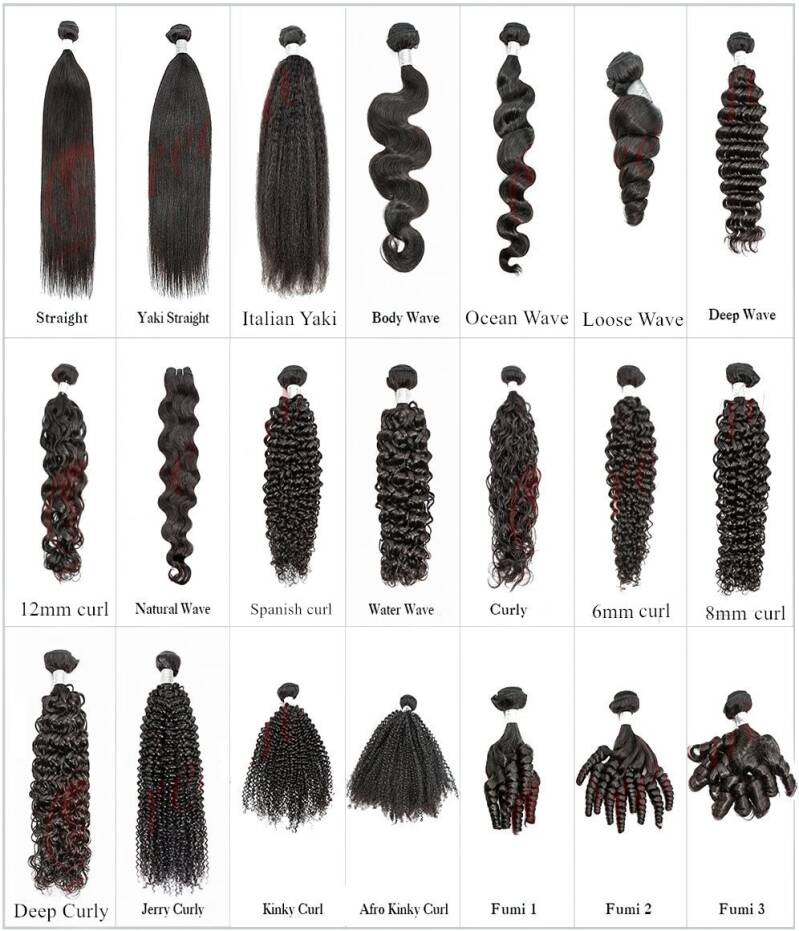
Hair extension textures range from silky straight and body wave to deeply coiled kinky curly, with options designed to blend with any natural hair type. Key textures include Yaki/Kinky Straight (relaxed texture), Water Wave (defined, bouncy waves), and Afro Kinky (dense 4B-4C coils). Matching your natural curl pattern or desired style ensures a seamless, natural-looking blend.
Common Hair Extension Textures
Silky Straight: Smooth, soft, and shiny with a flat finish, mimicking natural, relaxed, or flat-ironed hair.
Yaki / Kinky Straight: Mimics the texture of straightened or relaxed Afro-Caribbean hair. It looks straight but holds a thicker, more textured feel.
Body Wave: A soft, loose "S" shape pattern that adds volume and a gentle, natural wave.
Deep Wave / Loose Deep Wave: Tighter, more defined spiral curls that offer a more dramatic look than body waves.
Water Wave: Very defined, springy, and tight waves that offer a wet-look appearance.
Kinky Curly / Small Kinky Curly: Tight, well-defined "s" or "z" shaped curls that mirror natural, curly Afro-textured hair.
Coily / Afro Kinky / Kinknetics: Extremely tight, dense coils (4A-4C) designed for maximum volume and texture, often with a cotton-like feel.
Spring/Passion Twist: Tightly coiled or loose, romantic ringlets often used for protective styles like twists.
Key Considerations
Blending: Choose a texture that matches your own, especially if you have curly or coily hair.
Heat Styling: Most human hair textures, such as those from Kinkistry, can be heat-styled, though frequent straightening can loosen the curl pattern.
Maintenance: Tighter curls generally require more moisturizing and regular co-washing.
If you'd like to narrow this down, please tell me:
What is your natural hair texture (straight, wavy, curly, or coily)?
Are you looking for a low-maintenance option or something you can constantly re-style?
Do you want to add length, volume, or both?
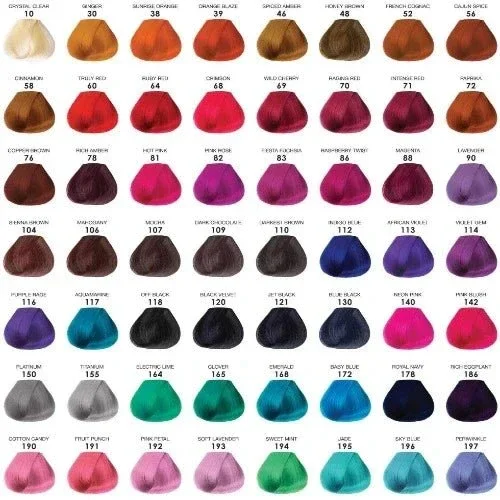
Color Options
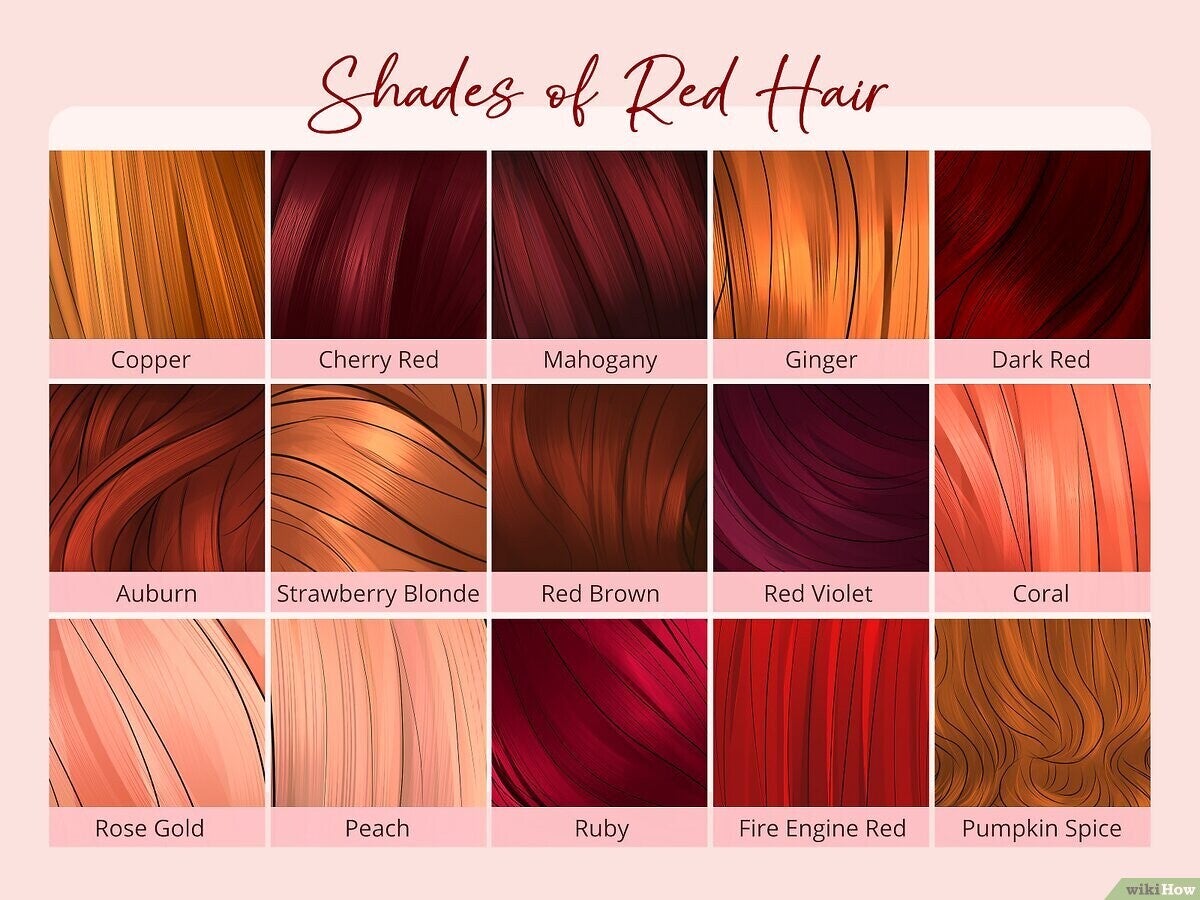
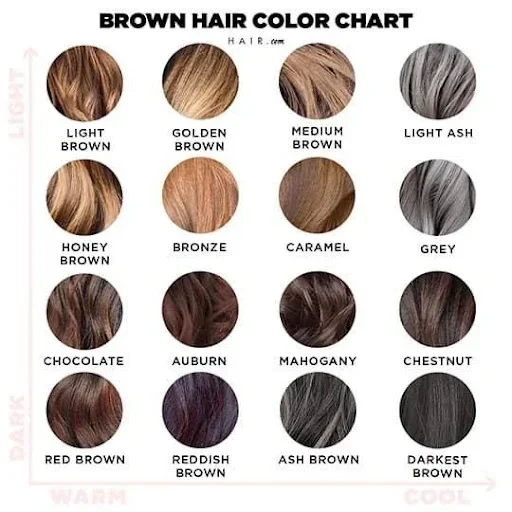
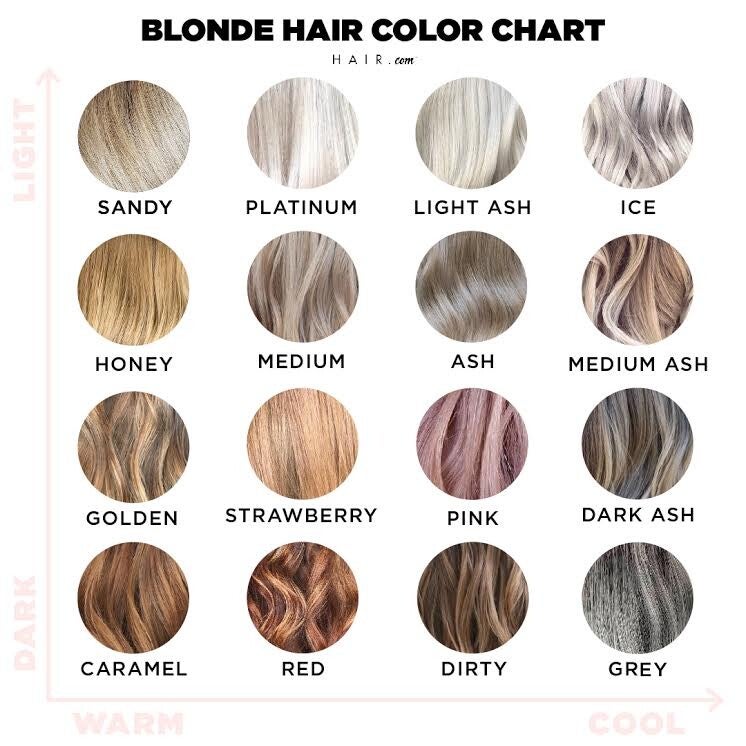
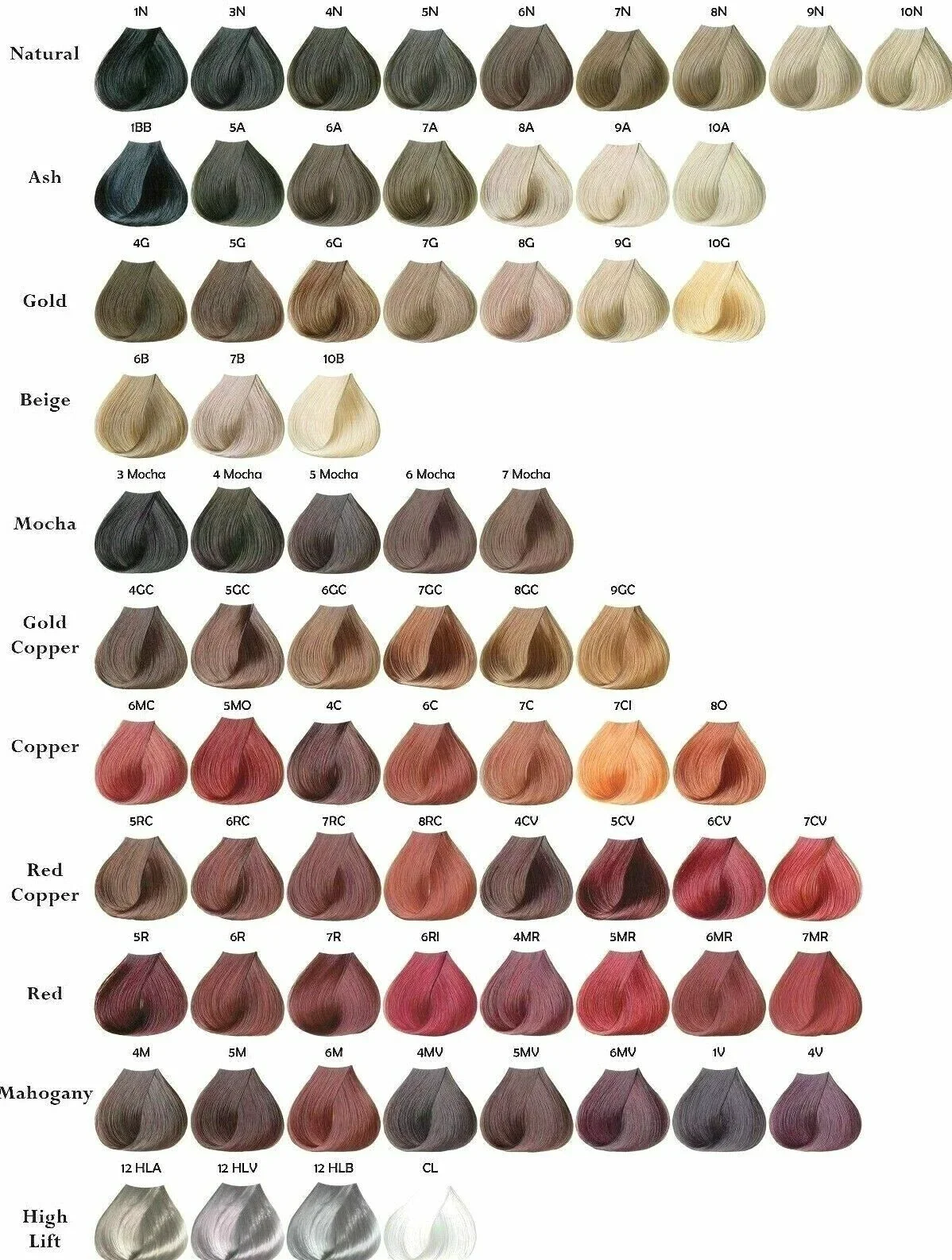
If you desire a special color please send photos
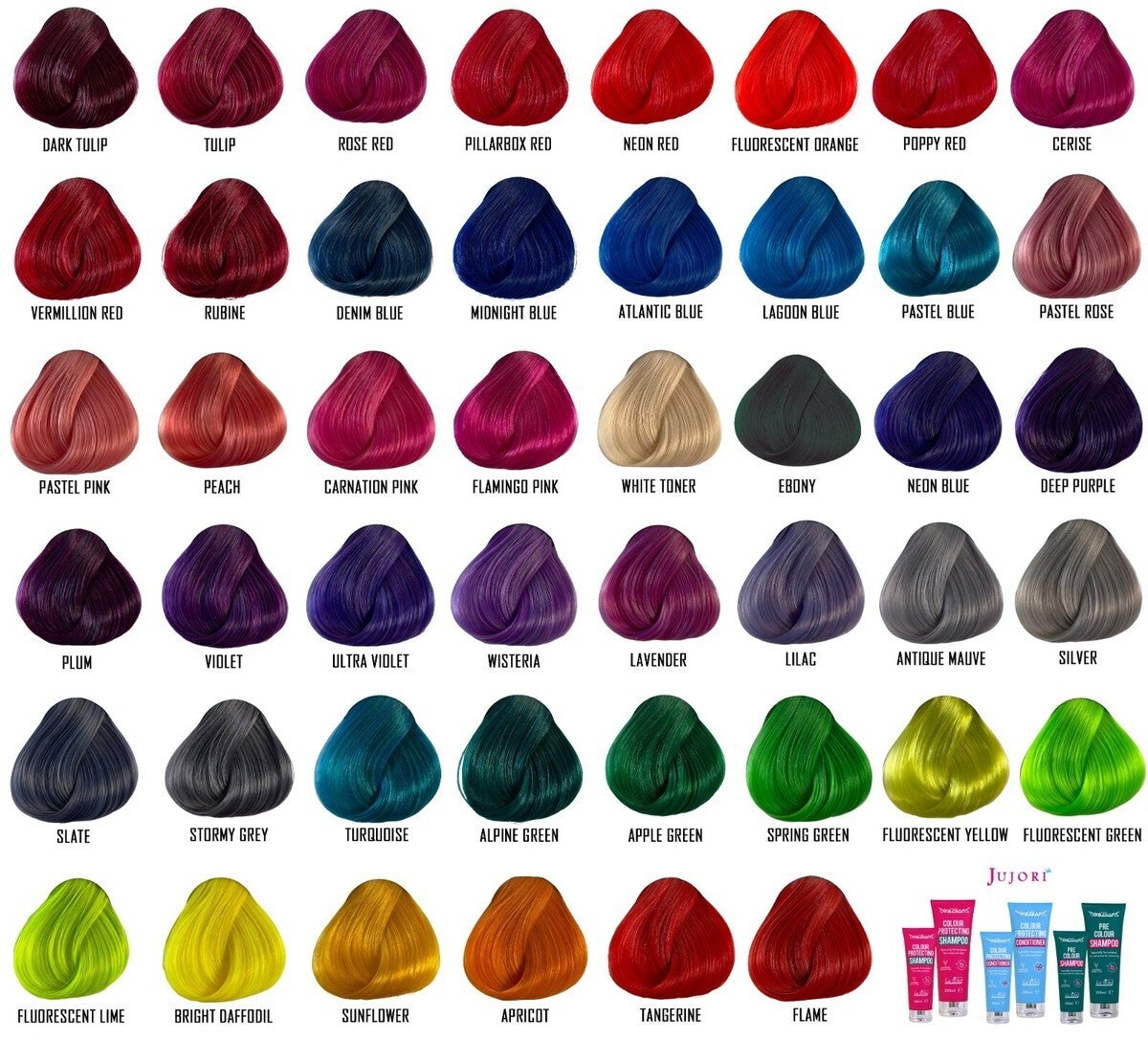
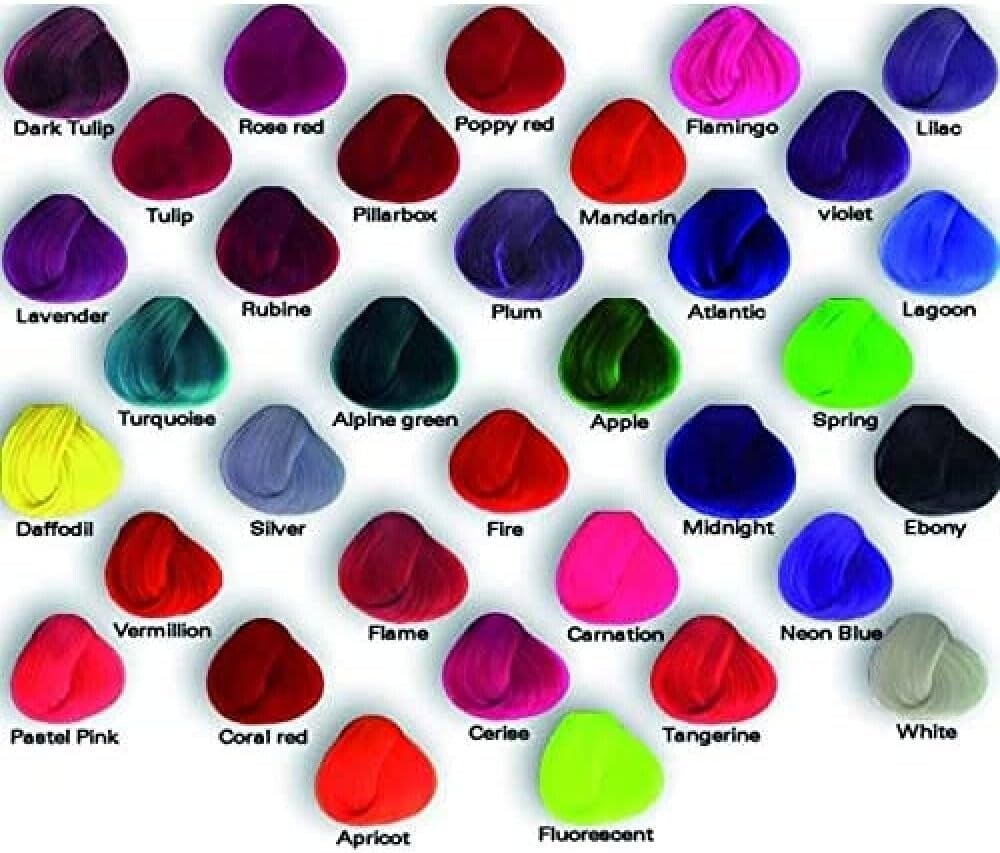
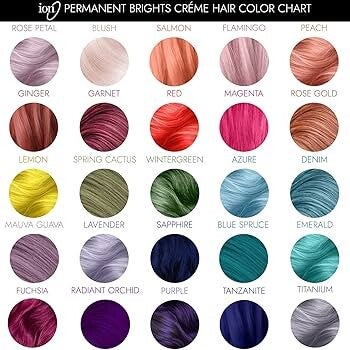
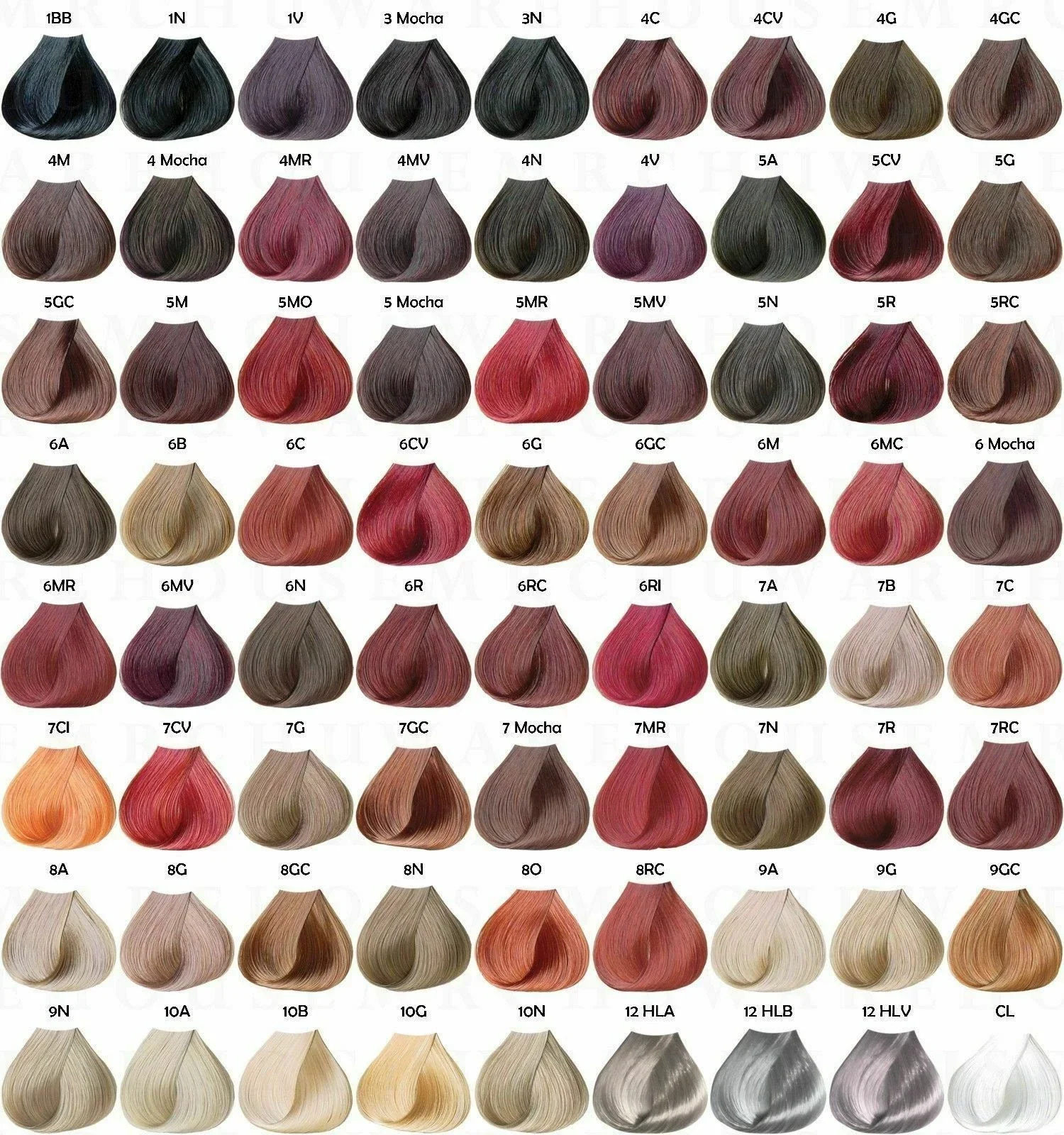
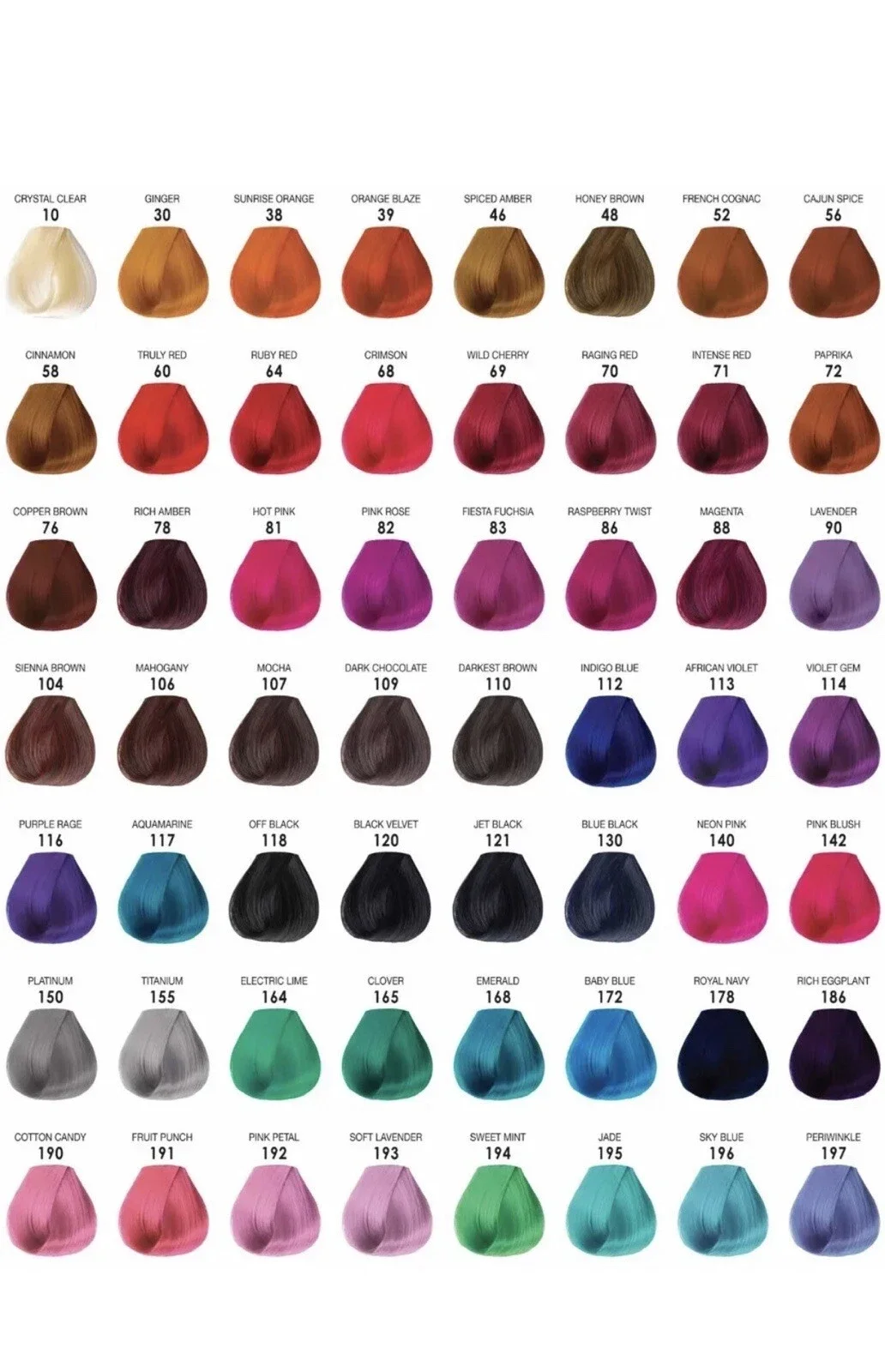
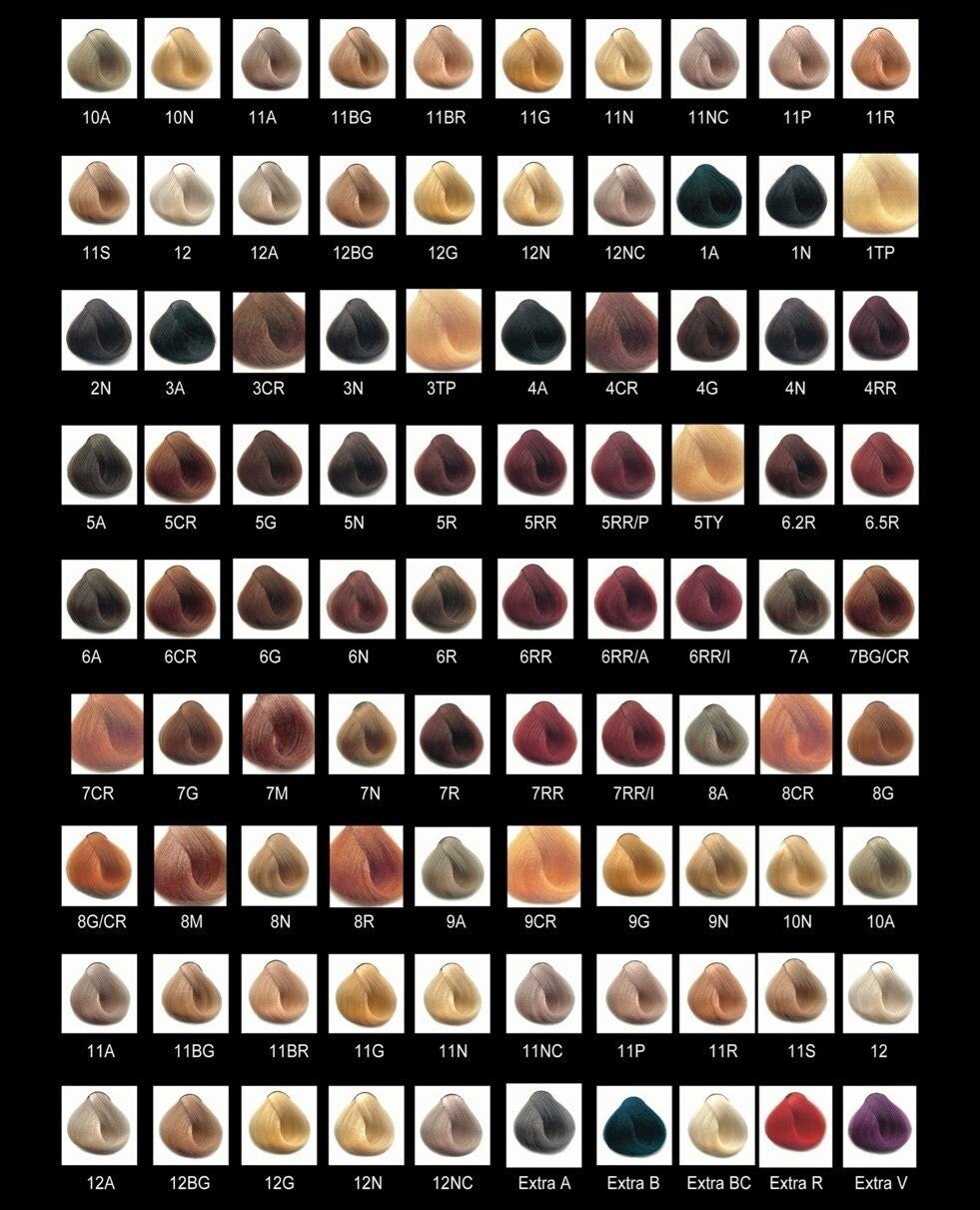
Clip in Hair Extensions
(S,B,H)
Clip-in hair extension (Synthetic, Blended and Human Hair) prices generally range from $59 to over $500, heavily influenced by length, hair quality (synthetic vs. human), and weight. Shorter (12-14 inch) sets are typically more affordable, while longer (20-24+ inch) and thicker sets cost significantly more.
12-14 Inch (Short/Volume): $59- $150+
16-18 Inch (Medium/Length): $79 - $300+
20-24+ Inch (Long/Dramatic Length): $159- $500+
Key Price Drivers
Hair Type: Synthetic options (like Inh Hair at ~$69) are cheaper, while 100% Remy human hair (like Irresistible Me at ~$120-$200) costs more due to quality and longevity.
Weight/Thickness: More grams per set equals higher prices.
Brand: Luxury brands or higher-density sets (e.g., The Hair Shop) cost more, ranging up to $600+ for premium, thick sets.
If you're interested, I can:
Compare prices for a specific length (e.g., 20 inch)
Suggest brands that offer good value
Find deals on Remy human hair
Let me know what you're looking for!
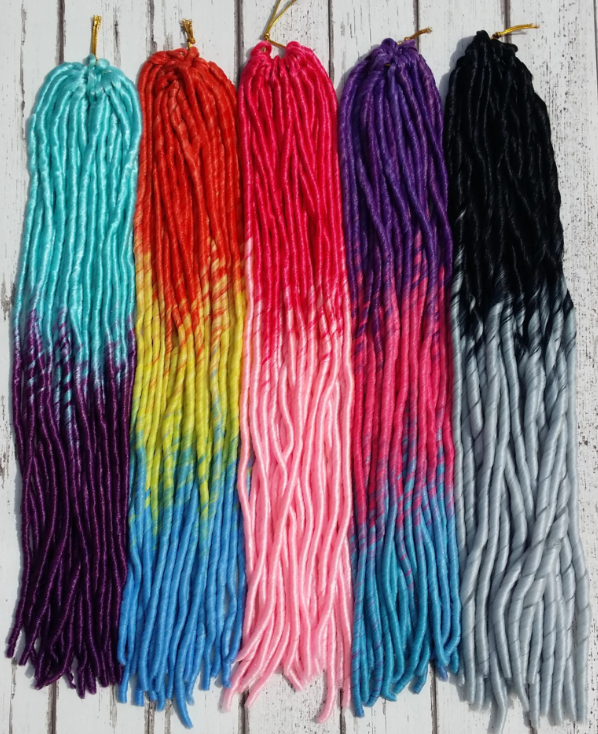
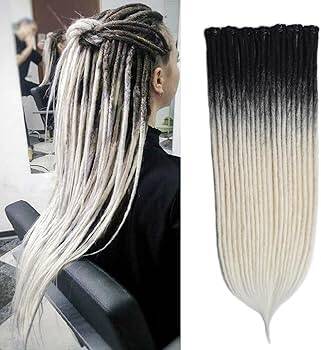
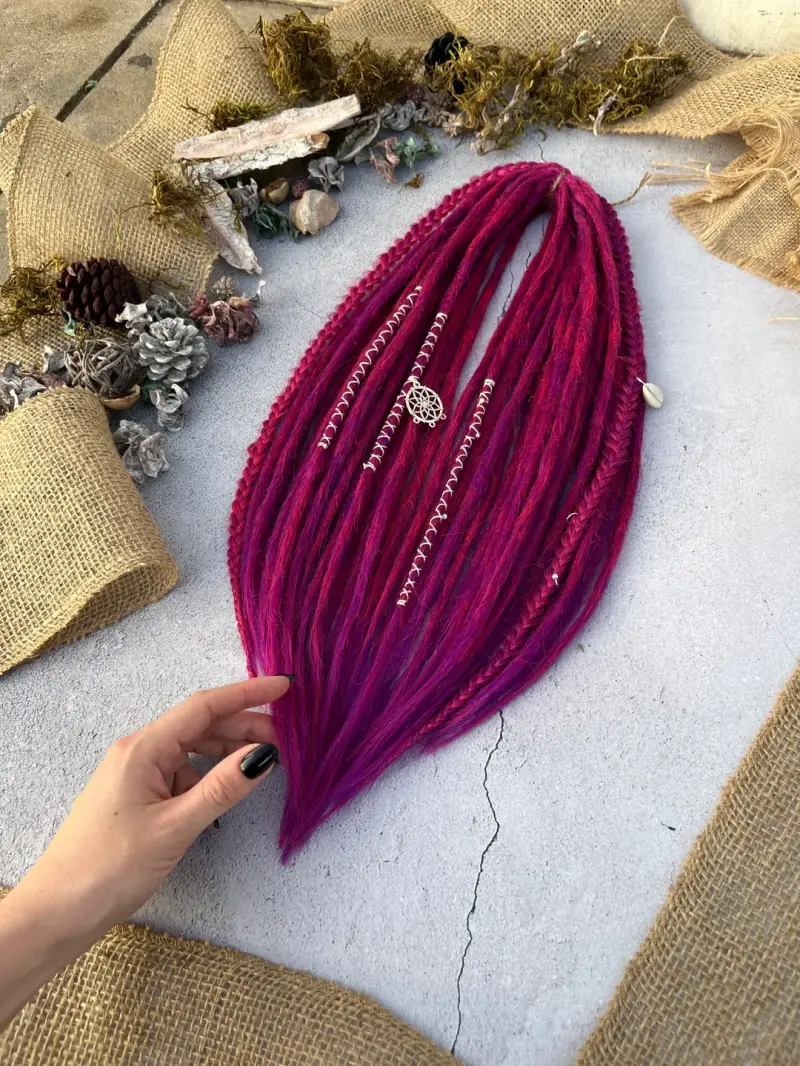
Dreadlock Extentions
Dreadlocks Extensions are a creative way to add a unique look and volume to your hair.
Dreadlocks extensions are pre-made locks created from human hair, synthetic fiber (like Kanekalon), or wool, designed to be attached to natural hair for added length, volume, or style experimentation. They are generally created by forming loose hair into a cylindrical shape through backcombing or twisting, and then tightening it into a mature lock using a crochet hook.Raw Roots +2
Here is a detailed breakdown of how different types of dreadlocks extensions are created:
1. Human Hair Extensions (Permanent/Semi-Permanent)
These are often preferred for a natural look and feel. They are created to look like mature, natural locs.
- Preparation: Kinky or afro-textured bulk hair (hair without a weft) is used to ensure they lock properly.
- Creating the Structure: The hair is backcombed vigorously to create tangles and knots, forming the base shape of a dreadlock.
- Locking/Crocheting: A small crochet hook (e.g., 0.5mm - 0.75mm) is used to pull loose hairs into the center of the lock, creating tight, dense knots. This process is repeated until the extension is firm and uniform in shape.
- Finishing: The ends can be left loose for a natural look or sealed shut with the crochet hook.YouTube +4
2. Synthetic Extensions (Temporary/Semi-Permanent)
These are often used for changing styles, as they are versatile in color and cost-effective.Love Locs Natural
- Twist and Rip Method: Hair is sectioned and twisted down to create a base structure.YouTube
- Backcombing: The hair is backcombed to encourage knotting.
- Heat Sealing: Since synthetic hair can be melted, a hot straightener is often used along with damp rags (for steam) to compress, seal, and lock the twisted hair into a solid, tight cylinder.YouTube +1
- Types:
- Single-Ended (SE): A loop at the top for easy installation.
- Double-Ended (DE): A long, continuous piece folded in half, creating two locks, ideal for adding volume.Raw Roots +3
3. Wool Extensions
Wool locks are typically made by hand-rolling and felted for a rustic, textured look.Raw Roots
Key Techniques in Creation
- Crochet Method (Instant Locs): Considered the most effective method, as it creates immediate knots and provides complete control over the shape and tightness.Dreadlock Central
- Palm Rolling: Used to shape the dreadlock into a perfect cylinder and smooth out any "crazy loops" or bumps during the creation process.Dreadlock Central
- Sealing: For synthetic hair, heat is crucial; for human hair, crochet is used to lock the tips so they don't unravel.YouTube +3
Once created, these extensions are attached to natural hair, usually by braiding them in (temporary) or using a crochet hook to weave them directly into existing natural hair (permanent).
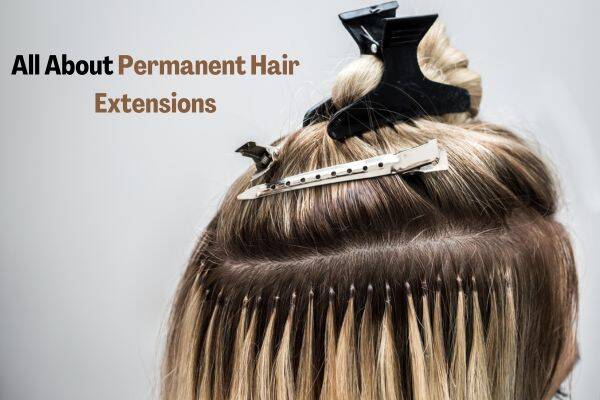
TYPES OF PERMANENT HAIR EXTENSIONS
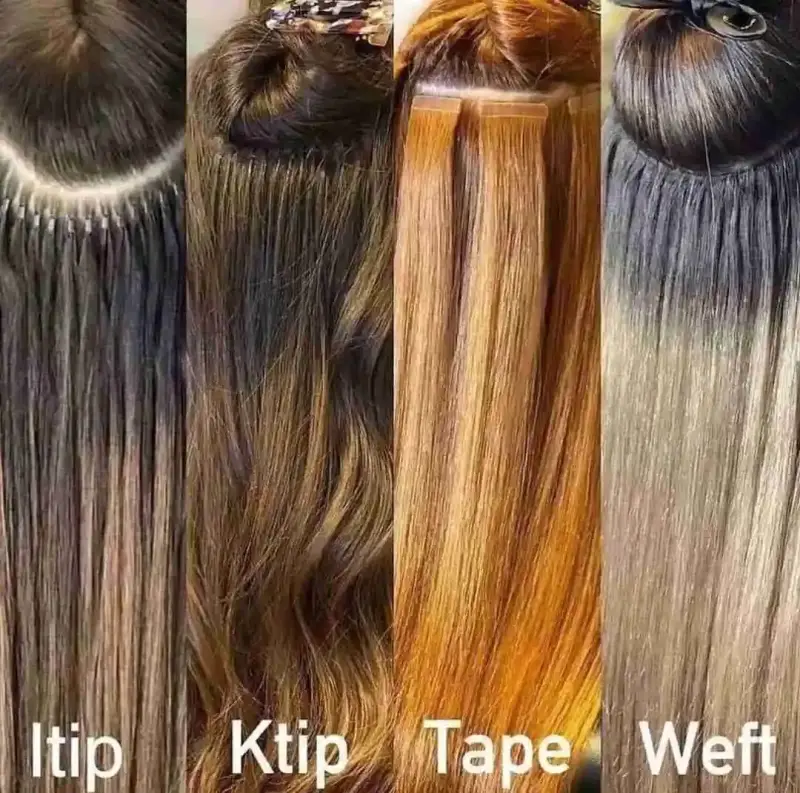
- Tape hair extensions
- I-Tip extensions
- Micro ring hair extensions
- Sew in hair extensions
- Bonded extensions
- Fusion hair extensions
- Keratin hair extensions
This particular type of hair extension trend is becoming increasingly popular. But, before we go any further…how what are they and how are they better than temporary extensions?
Permanent hair extensions are attached to your natural hair and they usually last anywhere around 3 to 4 months. They use a variety of methods, such as fusion bonding, tape-ins, or micro-linking.
Whereas temporary hair extensions, are solely meant for short-term use and permanent extensions are designed to stay in place for an extended period. These, however require a couple of visits to the parlour for re-tightening or touch ups but the best part is that thye can upto an entire year with proper maintenance and hair extension care.
Two of the most starking differences that make permanent hair extensions different from temporary hair extensions is in their lifespan and attachment method. With Permanent Hair Extensions, you can achieve a fuller, voluminous look.
They are attached quite close to the scalp and that’s how you get a much more seamless and natural look. The other aspect about these types of hair extensions are that they grow along with your hair. This also means that every 12 to 14 weeks you will have to go in for a tightening or re touch.


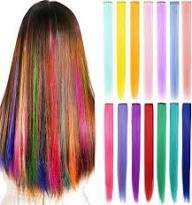
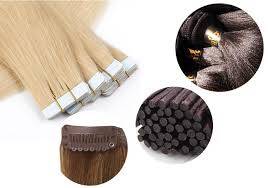
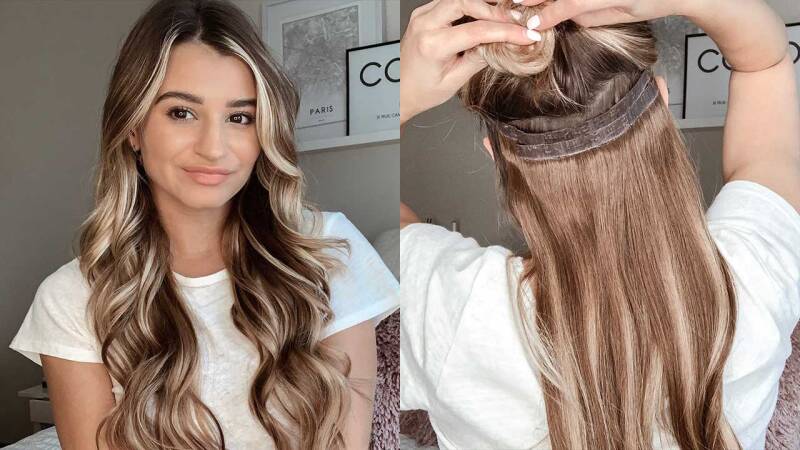
General Hair Extentions
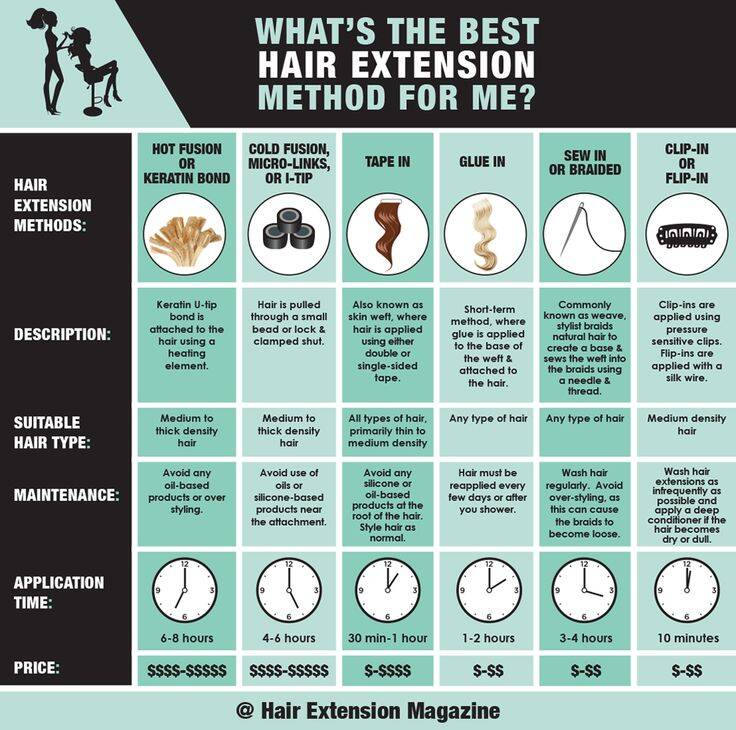
Types of Hair Extensions and their difference
Hair extensions primarily differ in their application method, durability, and the material used. They are generally categorized into temporary options you can apply yourself and professional, semi-permanent solutions that remain in your hair for weeks or months
Key Differences by Application Type
Extension TypeBest ForTypical LifespanProfessional Needed?
- Clip-InOccasional use/events3–12 monthsNo
- Tape-InFine to medium hair6–8 weeksYes
- Sew-In (Weave)Thick, coarse hair6–10 weeksYes
- Fusion (K-Tip)Long-term wear3–6 monthsYes
- Micro-LinkNatural movement2–4 monthsYes
- HaloNon-commitment volumeVaries (removable)No
Main Differences in Material
- Human Hair (Remy): This is high-quality hair where the cuticles are kept intact and aligned in one direction. It looks and feels the most natural, can be heat-styled, and generally lasts up to a year with proper care.Luxy® Hair +1
- Synthetic Hair: Made from plastic fibers designed to mimic human hair. It is more budget-friendly but cannot withstand heat styling, doesn't blend as seamlessly, and typically only lasts a few months.Luxy® Hair +1
Choosing the Right Match
- For Fine Hair: Experts recommend lightweight options like Tape-Ins or Halo extensions to avoid putting too much tension on delicate strands.Salon D +1
- For Thick Hair: Sew-ins or Fusion extensions are better suited for thick or coarse hair that can support the added weight and security of these methods.Roman K Salon +1
- For Beginners: Clip-ins are the go-to choice because they require no long-term
- commitment, cause minimal damage, and are the most affordable way to test different looks.Perfect Locks +1
To help you find the best match, are you looking for daily wear or a special event? It also helps to know if your hair is fine, medium, or thick.
Hair extensions differ primarily by application method, longevity, and material, ranging from daily clip-ins to semi-permanent tape-ins and long-term sewn or beaded wefts. They are categorized into natural human hair (durable, stylable) and synthetic hair (budget-friendly, limited styling). Selection depends on hair type, lifestyle, and desired volume.
Key Differences in Extension Types:
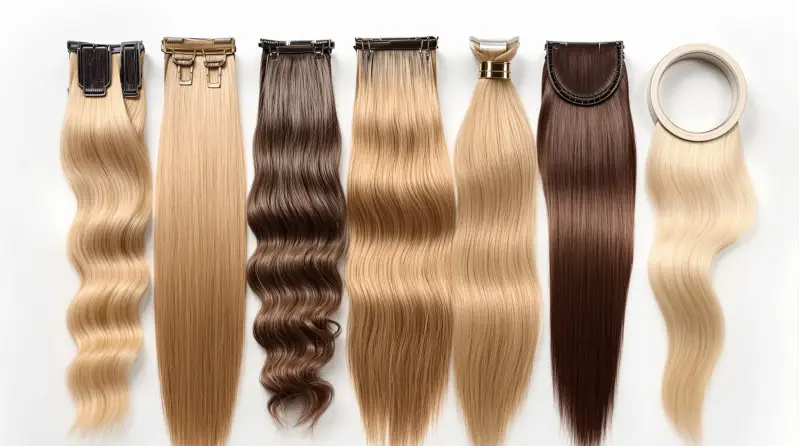
- Clip-in Extensions: Temporary, DIY-friendly extensions attached with small clips; ideal for occasional use and adding volume/length without damage.Luxy® Hair +3
- Tape-in Extensions: Semi-permanent extensions featuring small wefts with adhesive, "sandwiched" around natural hair. They are lightweight, comfortable, and usually last 6–8 weeks.YouTube +4
- Sew-in (Wefts/Weaves): Sewn directly into cornrowed hair. Best for thick or textured hair types and very durable, typically lasting 6-8 weeks.Luxy® Hair +4
- Micro-link/Micro-bead/I-Tip: Tiny sections of hair are secured with small, silicone-lined beads without heat or adhesive. They offer a natural look and allow for natural hair movement.YouTube +2
- Fusion/Pre-bonded (K-Tip): Keratin-tipped strands melted to natural hair using heat. These are long-lasting (3-4 months) and create a seamless, natural, and highly customizable look.YouTube +4
- Halo Extensions: A single, non-attached weft sitting on top of the head with a wire. Ideal for thin or fragile hair due to low stress.Perfect Locks +3
Material Differences:
- Human Hair: High quality, blends naturally, and can be styled, colored, and treated like your own hair. Lasts up to a year with care.
- Synthetic Hair: Made from fine plastics, cheaper, and cannot handle high heat. Good for trying new styles but has lower durability.Rush Hair & Beauty +3
How to Choose:
- Fine/Fragile Hair: Opt for halos or tape-ins to avoid heavy pulling.
- Thick/Coarse Hair: Suitable for sew-in wefts or micro-links.
- Daily Wear: Choose tape-ins or keratin bonds.
- Occasional Use: Choose clip-ins.